
Morbihan — coastal department of Brittany, France
Morbihan is a department in Brittany, northwestern France, noted for the Gulf of Morbihan, Carnac megaliths, maritime ports and Breton cultural traditions. Prefecture: Vannes; main towns: Lorient, Pontivy.
Morbihan is a department on the Atlantic coast of northwestern France, located within the historic province of Brittany. Its name comes from the Breton words Mor-Bihan, literally "little sea", a reference to the sheltered Gulf of Morbihan that defines much of the department's geography. Created during the French Revolution as one of the original 83 departments, Morbihan combines coastal scenery, islands, and inland agricultural and forested areas. The prefecture is Vannes (prefecture), and two important subprefectures are Lorient and Pontivy.
Image gallery
7 Images


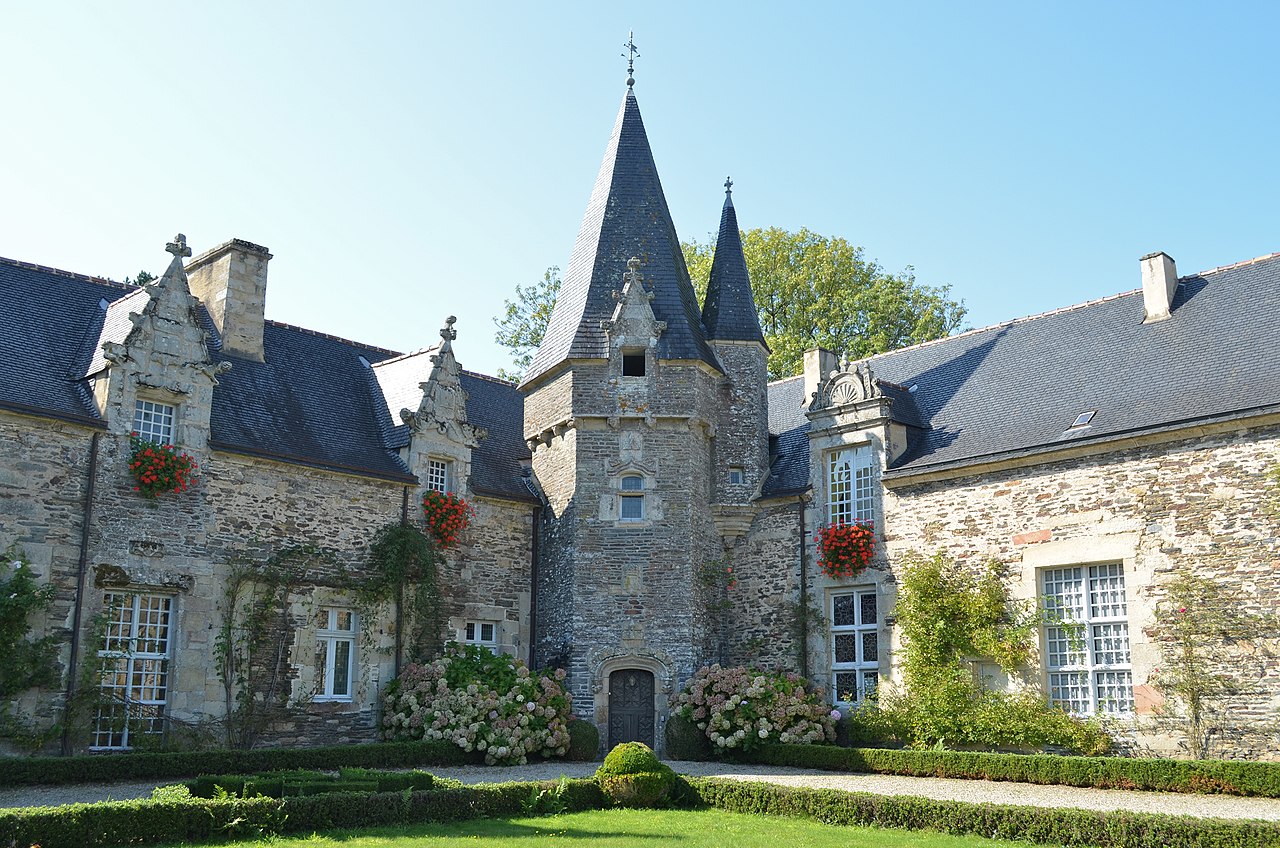


Geography and landscape
Morbihan's coastline includes rocky headlands, sandy beaches and a large semi-enclosed gulf dotted with roughly forty islands and islets. The Gulf of Morbihan is a calm inland sea famed for its scenic archipelago and mild maritime climate. Inland terrain includes rivers, bocage (hedged farmland) and pockets of woodland. The department is part of the administrative region of Brittany and is served by a mix of local roads, rail links and regular ferry connections to several islands.
History and cultural identity
The area is rich in human history. Long before modern administrative borders, the coastline and plains hosted Neolithic communities: the Carnac alignments and other megalithic monuments are among the most concentrated prehistoric standing stones in the world. During medieval and early modern periods, Vannes grew as a fortified port and market town. In the 19th and 20th centuries, Pontivy was reshaped with Napoleonic-era planning while Lorient developed as an important maritime and shipbuilding centre; Lorient later saw significant wartime activity, including large submarine bases in World War II. Breton language and traditions remain visible, and there has been a contemporary revival of Breton music, dance and bilingual signage.
Economy, festivals and daily life
Morbihan's economy blends agriculture, fishing, maritime industries, naval repair and a substantial tourism sector centered on its coast, islands and heritage sites. Seafood, crepes, cider and dairy products reflect local culinary traditions. Cultural events such as Celtic music festivals — notably the international festival hosted in Lorient — attract visitors and celebrate the region's ties with other Celtic nations.
Major sites and attractions
- Carnac megalithic alignments and nearby prehistoric sites.
- The Gulf of Morbihan with island destinations like Île-aux-Moines and Île d'Arz, reached by ferry.
- Vannes: medieval ramparts, cathedral and a lively historic centre.
- Lorient: maritime heritage, shipyards and the Interceltic Festival.
- Pontivy: urban plan and monuments reflecting 19th-century development.
Population figures have evolved over time; older estimates recorded roughly 677,000 people (2006) across the department, and more recent counts show continued demographic change. Administratively, Morbihan is governed as a French department with local councils and services that manage education, transport and cultural affairs. For visitors and residents alike, Morbihan offers a mixture of coastal leisure, deep prehistory and living Breton culture.
Related articles
Author
AlegsaOnline.com Morbihan — coastal department of Brittany, France Leandro Alegsa
URL: https://en.alegsaonline.com/art/66622