
Vannes — port city and prefecture in Brittany, France
Vannes is an historic port city in northwestern France, the prefecture of Morbihan in Brittany, known for medieval ramparts, a cathedral, a sheltered harbour on the Gulf of Morbihan, and Breton cultural traditions.
Vannes is a French city and administrative commune with a long history on the northern shore of the Gulf of Morbihan. Often called by its Breton name, Gwened, it functions as the prefecture of the department of Morbihan and as a regional center within Brittany. Its compact old town, sheltered harbour and surrounding countryside make it a focal point for regional administration, culture and tourism.
Image gallery
10 Images





Geography and character
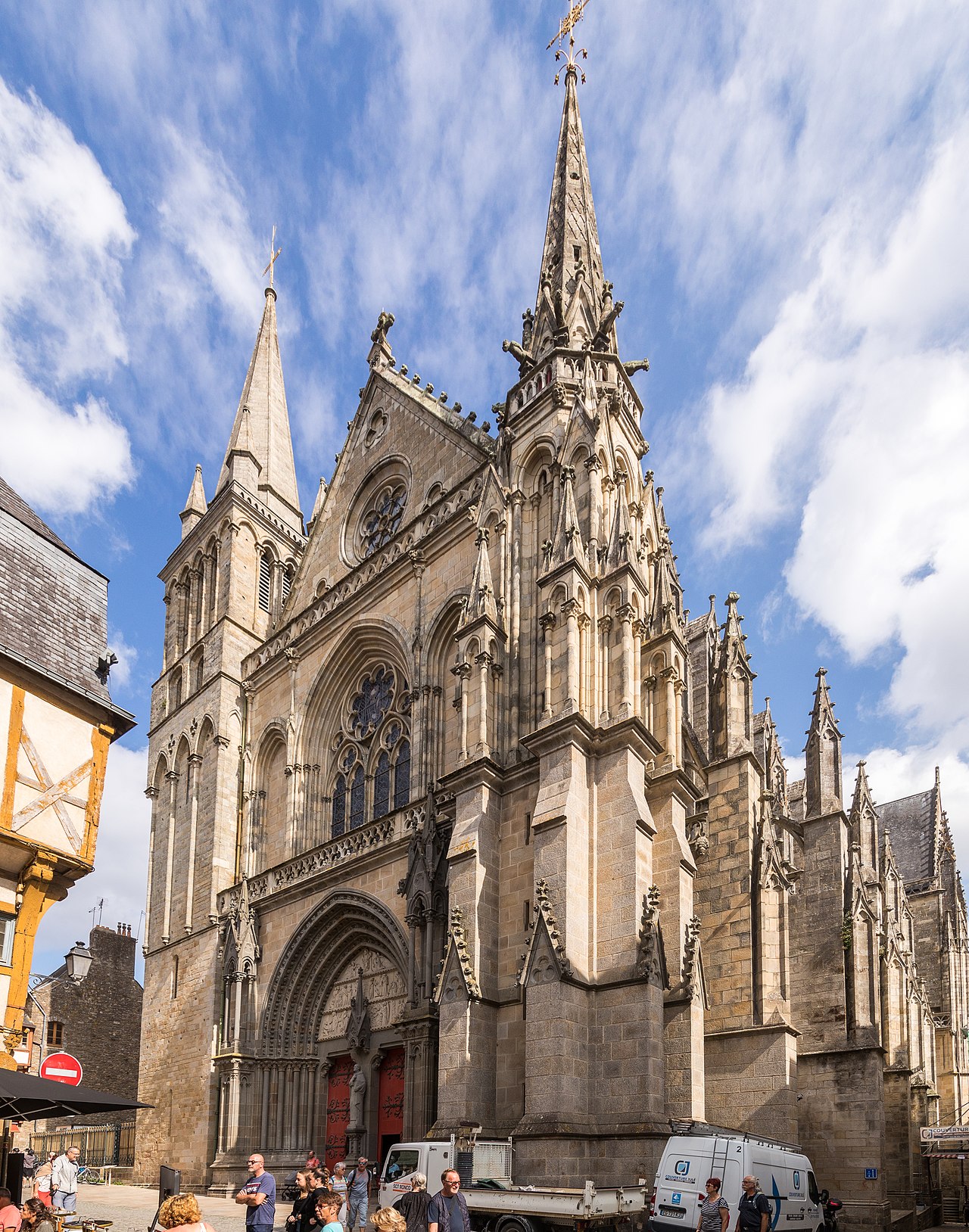
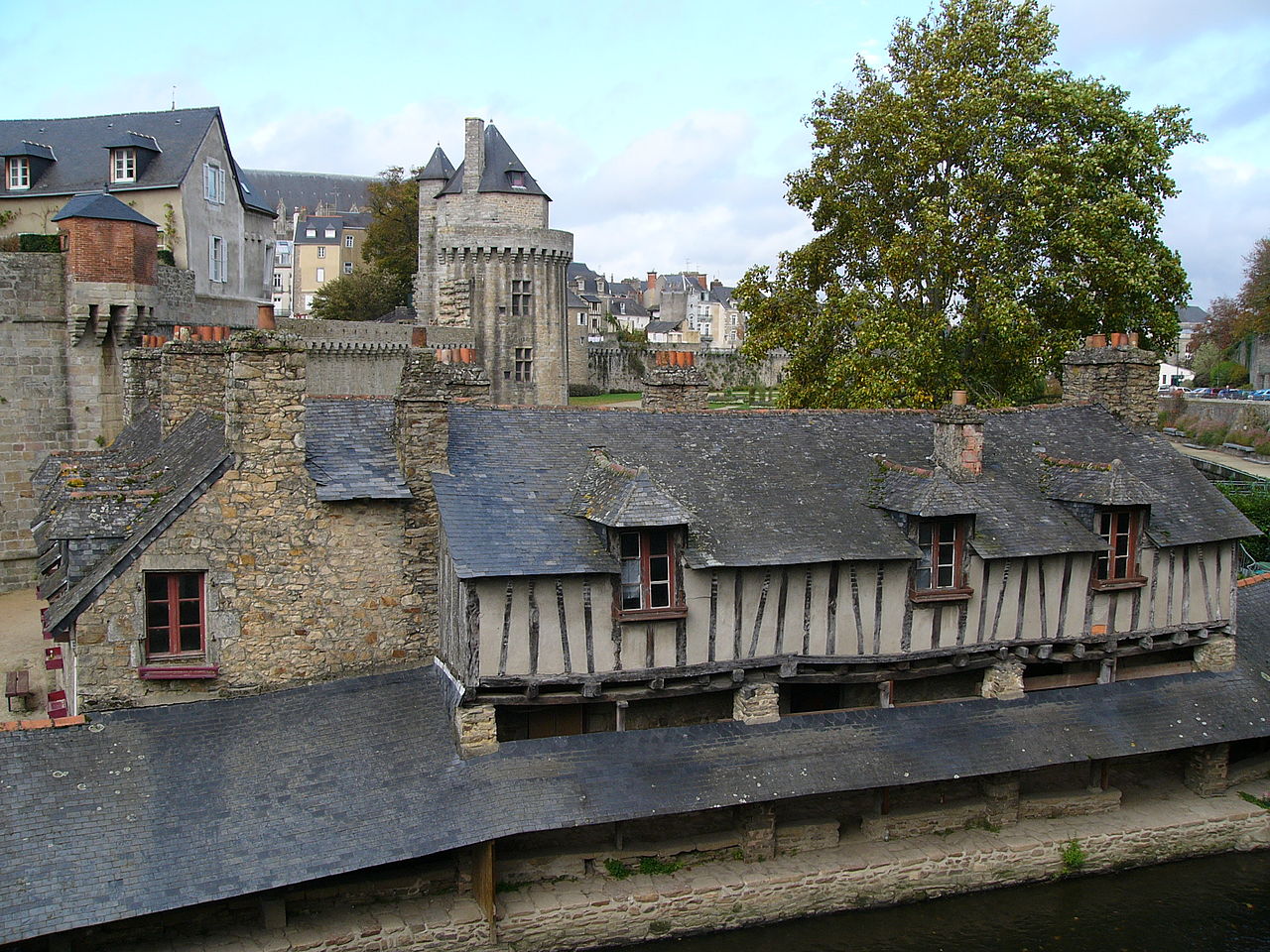
Sited where rivers meet a sheltered gulf of the Atlantic, Vannes has a functional harbour and marina that link the town to nearby islands and coastal communities. The historic core is notable for well-preserved stone ramparts, cobbled streets and rows of half-timbered houses. The cathedral and several churches punctuate the skyline, and urban parks and short walks along the quay are popular with residents and visitors alike.
History and architecture
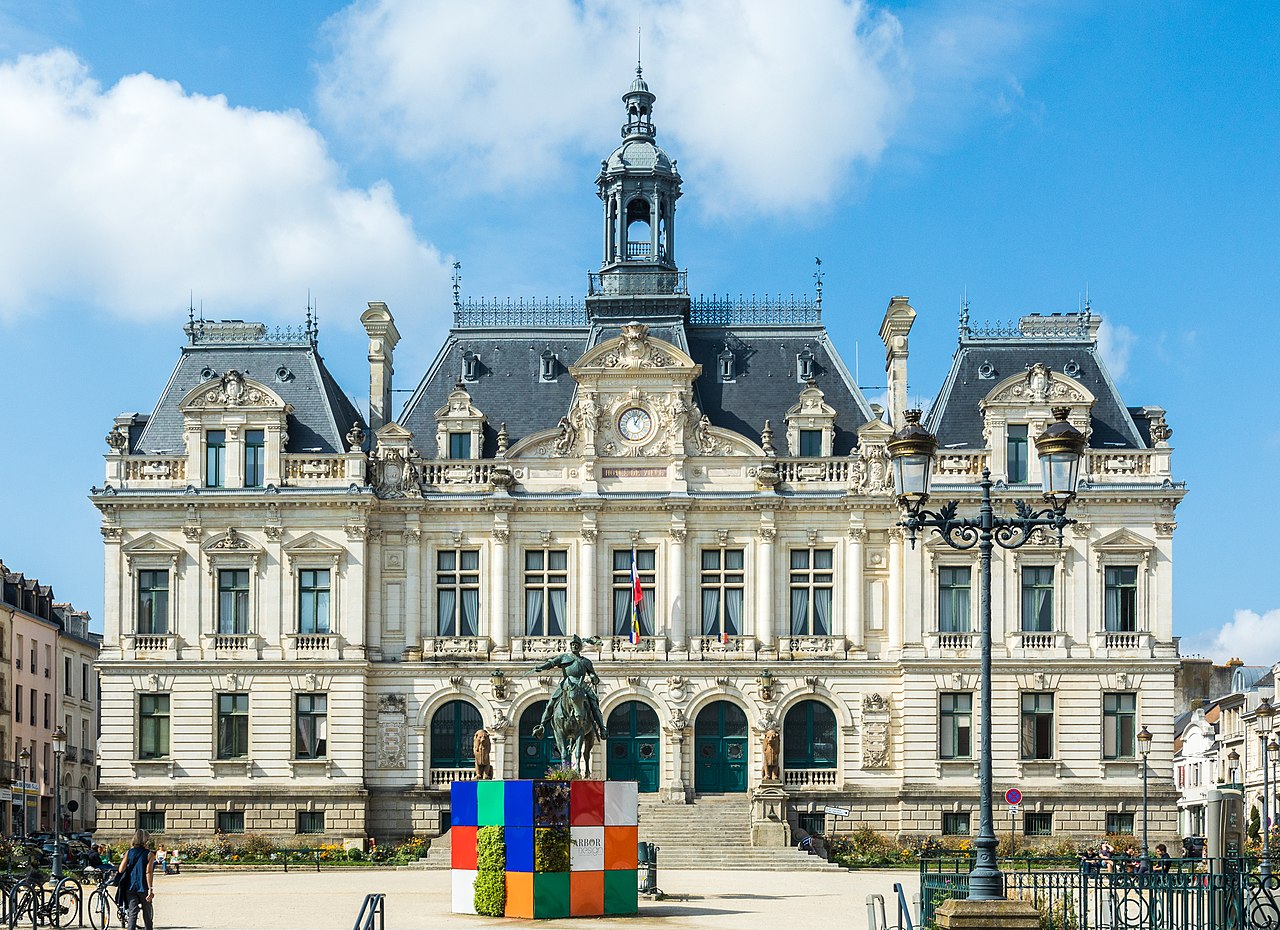
Settlement at the site reaches back to antiquity and the town developed through medieval times into an important Breton stronghold. Its defensive walls, surviving gateways and fortified sections reflect centuries of urban defense and civic growth. Public buildings and private houses display a mix of medieval, Renaissance and later French styles that illustrate the town’s continuous occupation and adaptation.
Culture, economy and landmarks
Vannes combines administrative functions with a local economy based on services, light industry and tourism. Cultural life emphasizes Breton language and traditions, seasonal festivals, markets and regional cuisine. Notable sights include:
- Saint-Pierre Cathedral and its interior artworks
- The medieval ramparts and city gates
- The old harbour and quayside
- Local museums and botanical gardens
As a commune and urban center, Vannes serves as a convenient base for exploring the Gulf of Morbihan and the coastal landscapes that attract visitors for boating, walking and gastronomic tourism.
Transport links by road and rail connect Vannes with larger cities in Brittany and beyond; nearby airports serve international and national travel. The town’s blend of administrative importance, preserved heritage and maritime setting make it a distinctive and accessible place in northwestern France.
Related articles
Author
AlegsaOnline.com Vannes — port city and prefecture in Brittany, France Leandro Alegsa
URL: https://en.alegsaonline.com/art/104209