
Foreign policy of the United States
An overview of how the United States manages relations with other states: actors, instruments, goals, historical development, common tools, and major debates shaping U.S. foreign policy.
Overview
The foreign policy of the United States refers to the principles and decisions that guide how the nation engages with other states, international organizations, and foreign publics. It shapes how governments, businesses and private citizens interact across borders, and it balances competing objectives such as security, prosperity, human rights and the promotion of democratic institutions. While foreign policy is set at the national level, it affects a wide range of actors, from multinational corporations to individual travelers and diaspora communities represented by private citizens.
Image gallery
10 Images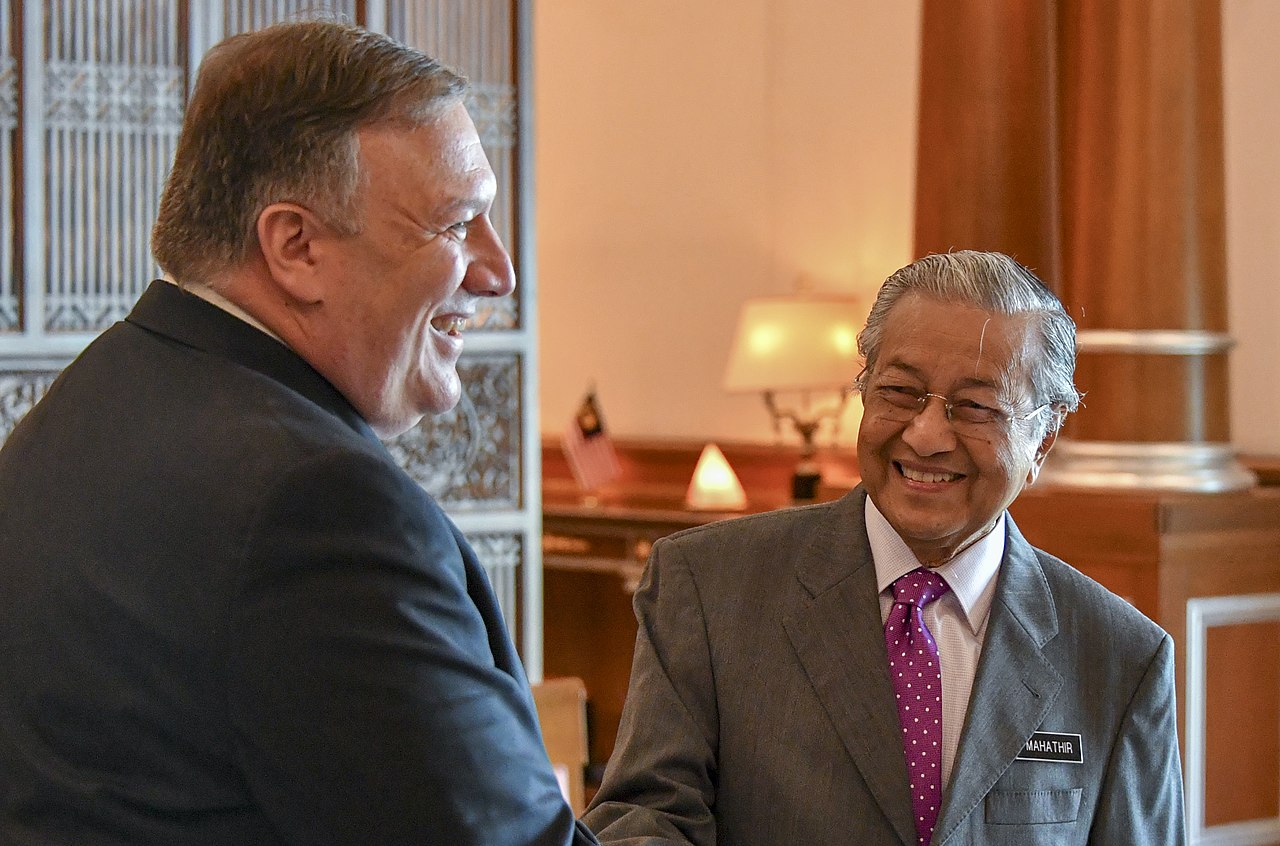





Core actors and institutions
The President of the United States has primary authority in directing national foreign policy and often speaks for the country in high-level negotiations. Day-to-day diplomacy is managed by the Secretary of State, a role analogous to a foreign minister in many other systems, and supported by the State Department and U.S. embassies. Congress exercises oversight and funding authority through committees such as the House Committee on Foreign Affairs, which monitors trade, security and areas like nuclear technology. A range of executive agencies — including the Department of Defense, the Treasury, and development and intelligence organizations — implement policy on the ground.
Instruments and capabilities
U.S. foreign policy makes use of a mix of tools:
- Diplomacy and negotiation conducted by professional diplomats and special envoys to pursue interests and resolve disputes; the practice of diplomacy remains central to preventing and managing conflict.
- Economic measures such as trade agreements, sanctions, investment promotion and foreign aid to support partners and advance development goals.
- Defense and security cooperation: the U.S. maintains one of the world's largest defense budgets, enabling alliances, forward deployments and military assistance tied to broader strategic aims, and contributing a significant share of global military expenditure; the size of the national defense budget underwrites many of these activities.
- Soft power instruments — cultural diplomacy, academic exchanges, and public diplomacy — which build long-term influence and relationships.
Goals, strategy and typical priorities
U.S. foreign policy is regularly framed around several broad goals: protecting the nation's security and citizens abroad, supporting economic prosperity and open markets, promoting stability and democratic governance, and pursuing humanitarian objectives. Strategies used to achieve these goals vary by administration and circumstance, ranging from deep alliance-building and multilateral engagement to unilateral measures when national interests are perceived to be at stake. The United States is commonly described as one of the world's largest economies — a factor that gives it leverage in international finance and trade — and its choices often reflect the interdependence of economic and security interests; commentators sometimes cite its large share of global GDP when explaining geopolitical weight and policy reach (economy, global GDP).
Historical development and examples
U.S. foreign policy has evolved from early isolationist tendencies to global engagement after World War II. The Cold War shaped decades of policy focused on competition with the Soviet Union, while the post–Cold War era saw expanded involvement in international institutions and conflict management. More recent decades have brought attention to counterterrorism, trade competition, climate diplomacy, and the strategic rise of other major powers. Concrete instruments used historically include alliance treaties, large-scale foreign assistance programs, trade frameworks, sanctions and, at times, military interventions or peacekeeping support.
Debates, criticisms and notable facts
Debate over U.S. foreign policy is perennial and spans questions of effectiveness, cost, and ethical consequences. Critics argue that some interventions have produced unintended results or excessive burdens; advocates point to the role of American engagement in creating security, enabling global commerce, and responding to crises. Oversight bodies in Congress maintain a range of responsibilities such as controlling sensitive technologies and commercial ties, and they help shape policy through hearings, legislation and budget authority. The interplay of public opinion, partisan politics and international events means U.S. foreign policy remains a dynamic field with both consensus goals and frequent disagreement about means.
For further reading on specialized topics such as diplomatic practice, defense policy, or international economic tools, consult dedicated resources and official statements from the State Department and relevant congressional committees: for example, pages on the Secretary’s role, the President’s foreign policy statements, and congressional oversight are commonly available through official channels (Secretary of State, President, United States). Additional context about specific policy tools and oversight can be found via resources addressing trade and corporations, citizen engagement, nuclear policy, and international development and aid.
While specifics change with administrations and global conditions, the central features of U.S. foreign policy — a mix of diplomatic engagement, economic influence and security commitments — continue to shape international relations and global governance.
Questions and answers
Q: What is the foreign policy of the United States?
A: The foreign policy of the United States is the way in which the United States acts towards other countries, and how U.S. organizations, corporations, and individual citizens should act towards foreign countries.
Q: What makes the U.S. powerful in world affairs?
A: The U.S. has a large economy with a Gross Domestic Product of approximately 25% of global GDP, as well as a defense budget of $711 billion which is about 43% of military spending worldwide. Additionally, it has a powerful military that can be sent out to protect locations important to its foreign policy goals.
Q: Who is responsible for diplomacy with other countries?
A: The Secretary of State is responsible for diplomacy with other countries; currently Antony Blinken holds this position in the U.S..
Q: Who has highest authority over foreign policy in the US?
A: The President of the United States has highest authority over foreign policy in the US.
Q: What does House Committee on Foreign Affairs do?
A: The House Committee on Foreign Affairs aims to control nuclear technology and hardware; foster commercial relations with foreign nations; safeguard American business abroad; watch over international agreements about commodities, international education, and protection of American citizens abroad; define what actions are best for national interest; and choose strategies that lead to policy goals.
Q: What are some goals of US foreign policy? A: Some goals of US foreign policy are to create a more secure, democratic, and prosperous world for both Americans and members of international community alike .
Q: How have US policies been received by others around world? A:US policies have been met with both praise and criticism from within America as well as from other countries around world
Related articles
Author
AlegsaOnline.com Foreign policy of the United States Leandro Alegsa
URL: https://en.alegsaonline.com/art/35614