
Acid Survivors Foundation (Bangladesh)
Bangladeshi non-profit that supports survivors of acid attacks through medical care, legal aid, rehabilitation and prevention advocacy, founded in 1999 with international support.
Overview
The Acid Survivors Foundation (ASF) is a Bangladeshi non-profit organization dedicated to assisting people injured by acid attacks and to reducing the incidence of such violence. ASF provides practical help for survivors while campaigning for legal, medical and social changes to prevent attacks and to improve recovery and reintegration.
Image gallery
2 Images
Structure and core activities
The foundation combines direct services with policy advocacy. Its programs typically include medical referrals and support, psychological counselling, legal assistance, livelihood and skills training, and efforts to reintegrate survivors into families and communities. ASF also conducts public education and works with health providers, law enforcement and the judiciary to strengthen responses to acid violence.
- Medical and rehabilitation: arranging treatment, reconstructive surgery and follow-up care;
- Legal aid: assisting survivors to seek justice, pursue prosecutions and access compensation;
- Prevention: awareness campaigns, community education and advocacy for better regulation of corrosive substances;
- Research and policy: documenting cases, advising on legislation and promoting protective measures.
History and development
ASF was established in 1999 with support from international partners, including UNICEF (UNICEF) and the Canadian International Development Agency. It grew from grassroots efforts to a national actor that mobilized medical, legal and social resources to address a specific form of gendered and criminal violence. Over time the organization helped spur public attention and law reform related to acid attacks.
Recognition and notable figures
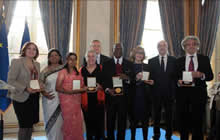
One of the co-founders, Monira Rahman, has been publicly recognized for her work on behalf of survivors; she received international human rights recognition in the mid-2000s (Monira Rahman, awarded by organizations including Amnesty International — see Human Rights Award). Such awards drew wider attention to ASF's mission and to the broader problem of acid violence.
Importance and ongoing challenges
ASF's combination of survivor support, advocacy and prevention has been influential in changing how Bangladesh responds to acid attacks. Nevertheless, challenges remain: ensuring timely medical care across regions, enforcing protective laws, controlling access to corrosive substances and transforming social attitudes that contribute to targeted attacks. The organization's work continues to serve as a model for integrated responses to similar forms of assault in other countries.
Questions and answers
Q: What is the Acid Survivors Foundation?
A: The Acid Survivors Foundation is a Bangladeshi organization that provides assistance to victims of acid attacks and works towards preventing such attacks.
Q: When was the Acid Survivors Foundation established?
A: The Acid Survivors Foundation was established in 1999.
Q: Who provided support for the establishment of the Acid Survivors Foundation?
A: The UNICEF and the Canadian International Development Agency provided support for the establishment of the Acid Survivors Foundation.
Q: What kind of victims does the Acid Survivors Foundation help?
A: The Acid Survivors Foundation helps victims of acid attacks.
Q: What is the aim of the Acid Survivors Foundation?
A: The aim of the Acid Survivors Foundation is to prevent acid attacks and provide assistance to its victims.
Q: Who was awarded the Human Rights Award by Amnesty International in 2005 for co-founding the Acid Survivors Foundation?
A: Monira Rahman, the co-founder of the Acid Survivors Foundation, was awarded the Human Rights Award by Amnesty International in 2005.
Q: What is the significance of the Human Rights Award granted to Monira Rahman?
A: The Human Rights Award granted to Monira Rahman highlights her contribution in protecting human rights and preventing the occurrence of acid attacks.
Related articles
Author
AlegsaOnline.com Acid Survivors Foundation (Bangladesh) Leandro Alegsa
URL: https://en.alegsaonline.com/art/721