
Monday (day of the week)
Monday, named for the Moon, is a weekday that marks the start of the working week in many countries and varies in position and cultural meaning across calendars and traditions.
Overview
Monday is one of seven days in the widely used seven-day week. In many countries it is treated as the first day of the working week and often marks the end of the weekend. Attitudes toward Monday range from routine and pragmatic to negative cultural stereotypes such as the so-called "Monday blues." This day appears in religious calendars, public holidays, and legal definitions of the business week.
Image gallery
3 Images

Name and origins
The English name comes from Old English Monandæg, literally "Moon's day," reflecting a long tradition of naming weekdays after celestial bodies. Similar derivations exist in other languages, linking the day to the Moon (Latin dies Lunae and equivalent forms in Romance and Germanic languages). This astronomical and mythological origin is reflected in folklore and historical calendars across Eurasia.
Position in the week and international standards
The placement of Monday within the week differs by culture and convention. In many parts of the world Monday is regarded as the first weekday; in others, including some traditions where Sunday is counted as the first day, Monday is the second. For discussion of regional practice see regional calendars and references on how the week is counted. In much of Europe it is commonly treated as the week's first day (European convention).
Holidays and observances
Certain public and religious holidays fall on a Monday or are observed on the Monday following a festival. A notable example in Christian countries is Easter Monday, the day after Easter Sunday, which is a public holiday in many jurisdictions. Other civic observances may be scheduled on a Monday to create long weekends or to standardize administrative practice.
Workweek, economy and culture
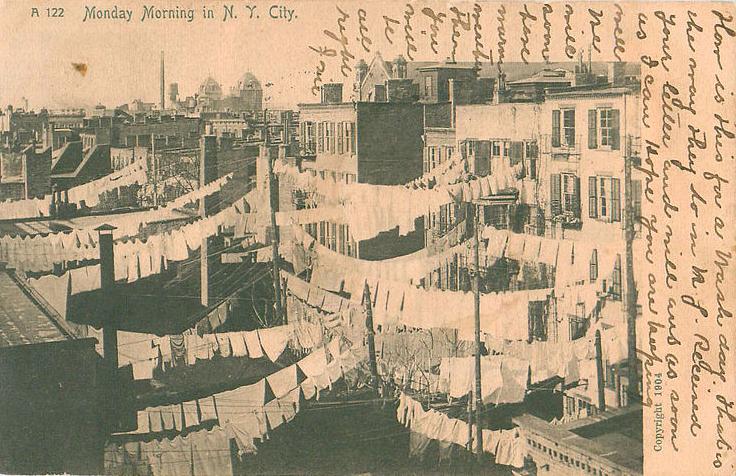
In business and administrative contexts Monday often signifies the start of the workweek: banks, stock markets, schools, and most offices resume regular operations. This makes Monday important for payroll cycles, reporting periods, and planning. Culturally, the day has generated idioms and concepts such as "Monday morning quarterback" and the idea of fatigue or low morale on Monday mornings. Employers and mental-health guides sometimes address this phenomenon with workplace policies and wellbeing strategies.
Standards, distinctions and notable facts
The International Organization for Standardization defines Monday as the first day of the week in its ISO 8601 standard, which is widely used in computing, data exchange, and international documentation; see ISO standards for technical details. Different calendars, religious practices, and local customs produce a variety of usages worldwide, so whether Monday is labeled day one or day two depends on regional convention rather than an inherent property of the day itself.
Common associations and examples
- Emotional: "Monday blues" — a common phrase for the dip in mood at the workweek's start.
- Legal/administrative: Many deadlines and effective dates are scheduled on Mondays for administrative convenience.
- Cultural: Observances such as Easter Monday and other national holidays may fall on a Monday, affecting travel and commerce.
Related articles
Author
AlegsaOnline.com Monday (day of the week) Leandro Alegsa
URL: https://en.alegsaonline.com/art/65993