
Borussia Mönchengladbach
German professional football club from Mönchengladbach, founded 1900. Known as Die Fohlen, famed for 1970s success, a large membership base and regular Bundesliga presence.
Borussia V.f.L. 1900 Mönchengladbach is a German professional football club based in Mönchengladbach, North Rhine-Westphalia. Founded in 1900, the club commonly appears in the top tier of German football, the Bundesliga, and is widely known by its nickname Die Fohlen (the Foals). The organisation has a large membership and a broad local and national following. Fans and media often highlight the club’s history of attacking play and its role in German football culture.
Image gallery
10 Images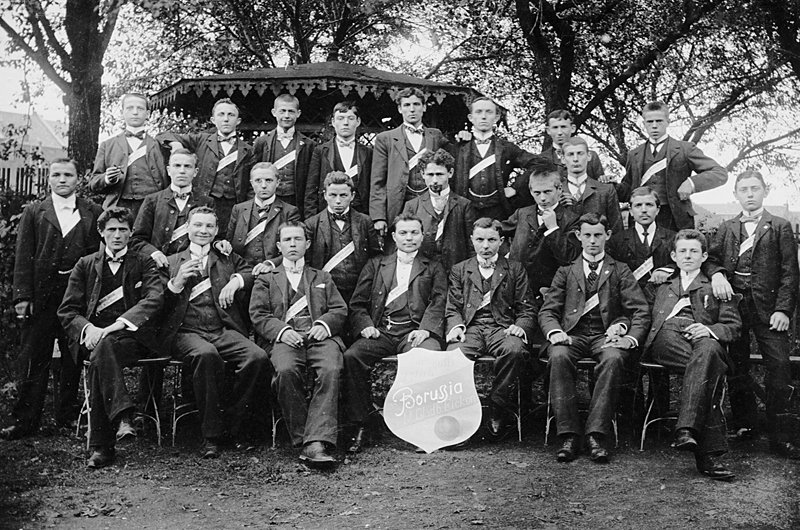


History and development
The club rose to prominence in the postwar decades and reached its heyday during the 1960s and 1970s. Under managers such as Hennes Weisweiler, Mönchengladbach became synonymous with energetic, forward-minded football and won several league championships in that era. Over subsequent decades the club has experienced fluctuations in form but remained a steady presence in German professional football and in European competitions on various occasions.
Stadium, supporters and organisation
Home matches are played at the club’s stadium, Borussia-Park, a modern venue opened in the early 2000s. The club maintains a large membership base—numbering in the tens of thousands—and is among the larger membership organisations in German sport. Supporter culture includes organised fan groups, traditions such as local derbies, and a strong community connection across the Rhineland region.
Style, achievements and competitions
Mönchengladbach is remembered for an open, attacking style established in the 1970s and a sequence of domestic successes during that period. The team has contested domestic cup competitions and participated repeatedly in European tournaments, including the UEFA Cup/Europa League and other continental cups. Its sustained presence in the Bundesliga makes it a frequent participant in high-level domestic competition.
Rivalries and notable figures
The club’s traditional regional rivalry with 1. FC Köln produces the Rhine derby, one of the notable fixtures in German football. Over time Borussia has produced and hosted many important players and coaches, such as Günter Netzer, Berti Vogts and Jupp Heynckes, and more recently has been a stepping stone for players who moved on to other top European clubs. Youth development and scouting remain important parts of the club’s identity.
Honours and notable aspects
- Domestic league success, particularly prominent in the 1970s.
- Multiple appearances and runs in European club competitions.
- Strong membership and supporter culture in the Rhineland.
- Notable former players and managers who influenced German football.
For official information, fixtures and club news visit the official club site. Borussia Mönchengladbach remains an influential and historic institution in German football, balancing tradition with ongoing professional ambitions.
Related articles
Author
AlegsaOnline.com Borussia Mönchengladbach Leandro Alegsa
URL: https://en.alegsaonline.com/art/13170