
Monchiet — commune in Pas-de-Calais, northern France
Monchiet is a small rural commune in the Pas-de-Calais department of northern France. This article summarizes its location, administrative status, landscape, historical context and local character.
Monchiet is a small rural commune located in the north of France. Administratively it lies within the Pas-de-Calais department and historically belonged to the former Nord-Pas-de-Calais region. Today the area is part of the broader Hauts-de-France territorial collective that covers the northernmost departments of the country. The settlement exemplifies the many modest villages that dot the agricultural plains of northern France. Northern France has a layered rural and industrial history that shapes communities like Monchiet.
Image gallery
2 Images
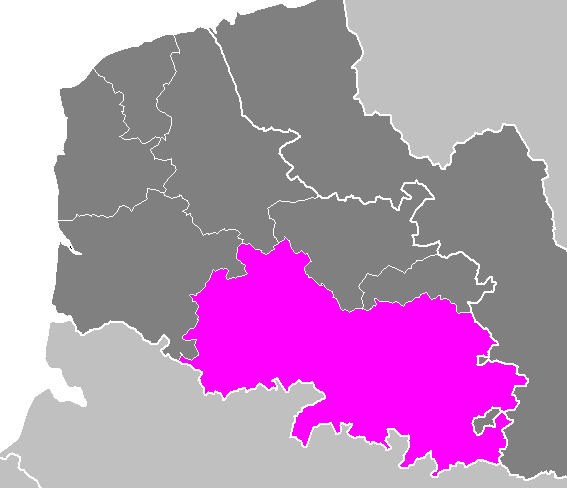
Location and geography
Monchiet sits in the heart of Pas-de-Calais, a department known for open farmland, small woodlands and scattered historic villages. Its landscape is typical of the region: gently rolling fields, lanes lined with hedgerows and a mix of arable and pasture uses. The commune is part of local intercommunal arrangements and lies within a network of nearby communes and small towns that provide services, markets and transport links for residents.
Administration and local life
As a French commune it is governed by a municipal council and a mayor elected by local residents. The commune is administered under the structures of the Pas-de-Calais department and follows national laws regulating local government and planning. Administrative matters such as civil registration, primary schooling and local roads are typically managed at the municipal level while broader services come from departmental or regional bodies. For more on departmental organization see the administrative page linked here: department administration.
History and development
Like many villages in the area, Monchiet has roots that extend back through medieval and modern periods. The wider region experienced agricultural development over centuries and industrial change nearer the coast and larger towns. In the 20th century northern France was affected by the world wars and subsequent reconstruction; small communes often retain memorials and rebuilt churches reflecting those histories. Local architecture and field patterns still reflect long-established land use traditions.
Economy, landmarks and culture
The local economy is predominantly rural: agriculture, small-scale farming and services for residents are typical. Communal life often centers on a village church, a town hall, and community events such as seasonal fêtes, markets or club activities. Heritage features may include traditional farmhouses, small chapels or war memorials that testify to the commune's past. Visitors exploring the Pas-de-Calais countryside will find these elements recurrent across many villages.
Key facts and context
- Status: commune (local municipality).
- Department: Pas-de-Calais — formerly part of Nord-Pas-de-Calais.
- Region: now within Hauts-de-France; local administration links: department authority.
- Position: in northern France, typical of small rural settlements in the area.
Related articles
Author
AlegsaOnline.com Monchiet — commune in Pas-de-Calais, northern France Leandro Alegsa
URL: https://en.alegsaonline.com/art/65979