
Monarchy of Spain
The Monarchy of Spain (the Crown) is the constitutional, hereditary office serving as Spain's head of state, with ceremonial duties, limited constitutional powers, and a role in national unity and foreign representation.
The Monarchy of Spain, commonly called the Crown and in Spanish Monarquía Española, is the hereditary institution that serves as the Kingdom of Spain's head of state within a parliamentary constitutional system. The current reigning monarch is King Felipe VI, accompanied by Queen Letizia. Their elder daughter, Leonor, is the heir presumptive with the title Princess of Asturias, and their younger daughter holds the title Infanta. The Crown is distinct from the government: it represents continuity of the state while remaining politically neutral in everyday politics.
Image gallery
10 Images


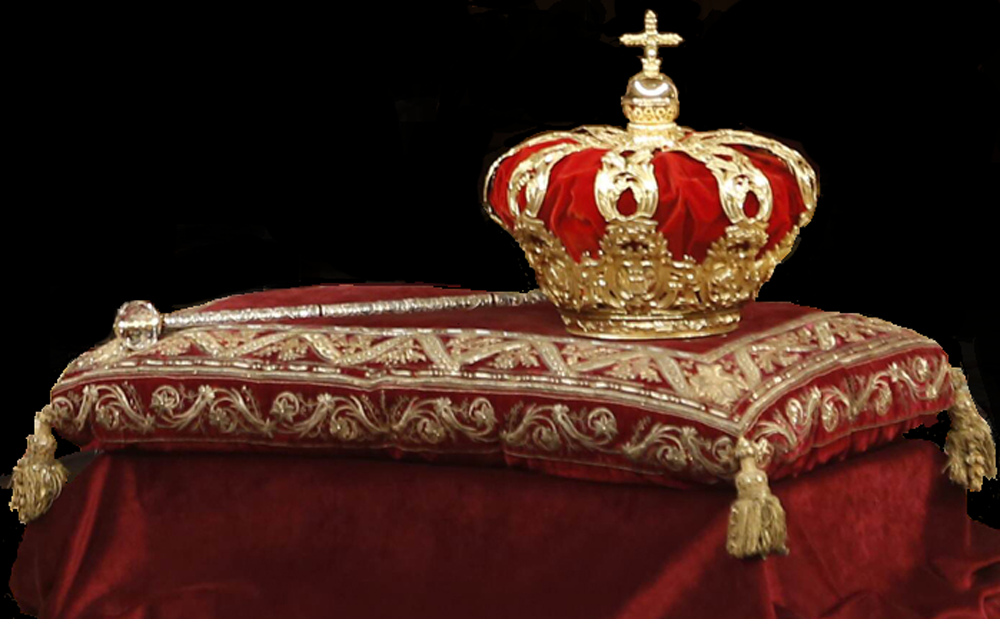
Constitutional role and limits
Under Spain's democratic constitution the monarch's powers are defined and limited by law and by convention. The Crown sanctions and promulgates laws, summons and dissolves the Cortes Generales (the parliament), calls national elections and referenda, accredits diplomatic representatives and formally appoints the prime minister following parliamentary procedures. Most acts of the monarch require the countersignature of the president of the government or of the competent minister, which places political responsibility on elected officials. The term constitutional highlights this balance between symbolic authority and legal restraint.
Succession and dynasty
Succession to the Spanish throne is hereditary and regulated by constitutional and statutory provisions. The current royal house is the House of Bourbon, a dynasty with historical ties going back several centuries. Debates about succession rules, for example proposals to change from male-preference to absolute primogeniture, have been discussed in public and political forums, but any change would require parliamentary reform. The heir apparent or presumptive carries traditional titles and undertakes representational duties in preparation for a future reign.
Historical context
The Spanish monarchy traces its roots to the medieval kingdoms of the Iberian Peninsula and later to the dynastic unions that shaped modern Spain. Over centuries the Crown's political role has varied widely, reflecting broader changes in European governance. In the 20th century Spain experienced shifts between monarchy, republic, authoritarian rule and a restored constitutional monarchy, with the modern role of the Crown largely defined by the democratic transition and subsequent constitutional settlement. For an overview of the legal standing of the office see references to the highest office of the state.
Residences, institutions and public role
The institution of the Crown includes the person of the monarch and the immediate household and official offices that support public duties. State ceremonies commonly take place in the Royal Palace in Madrid, while the royal family has private residences used for daily life and official hosting. The Crown also plays a role in patronage of cultural, educational and charitable initiatives, represents Spain abroad, and participates in national commemorations and civic events.
Accountability, immunity and public perception
The constitution establishes particular legal protections for the monarch while in office and provides mechanisms for accountability through political institutions rather than ordinary criminal prosecution. Acts of the Crown are generally carried out on the advice of ministers who assume political responsibility. Public attitudes toward the monarchy vary across Spain and over time; questions of transparency, the modernisation of the institution and its cost to the public are subjects of ongoing civic and political discussion.
Contemporary significance
In contemporary Spain the Crown functions as a symbol of national unity and continuity, a facilitator of diplomatic relations, and a constitutional actor whose formal powers are exercised within a parliamentary framework. While largely ceremonial in daily politics, the Crown retains defined roles during periods of political transition and in the formalities of state life, and it continues to adapt to changing expectations about openness and public service.
Related articles
Author
AlegsaOnline.com Monarchy of Spain Leandro Alegsa
URL: https://en.alegsaonline.com/art/65953