
Monarchy of Barbados
Overview of Barbados' constitutional monarchy (1966–2021): its role, institutions, history, transition to a republic on 30 November 2021, and lasting symbols and distinctions.
Overview
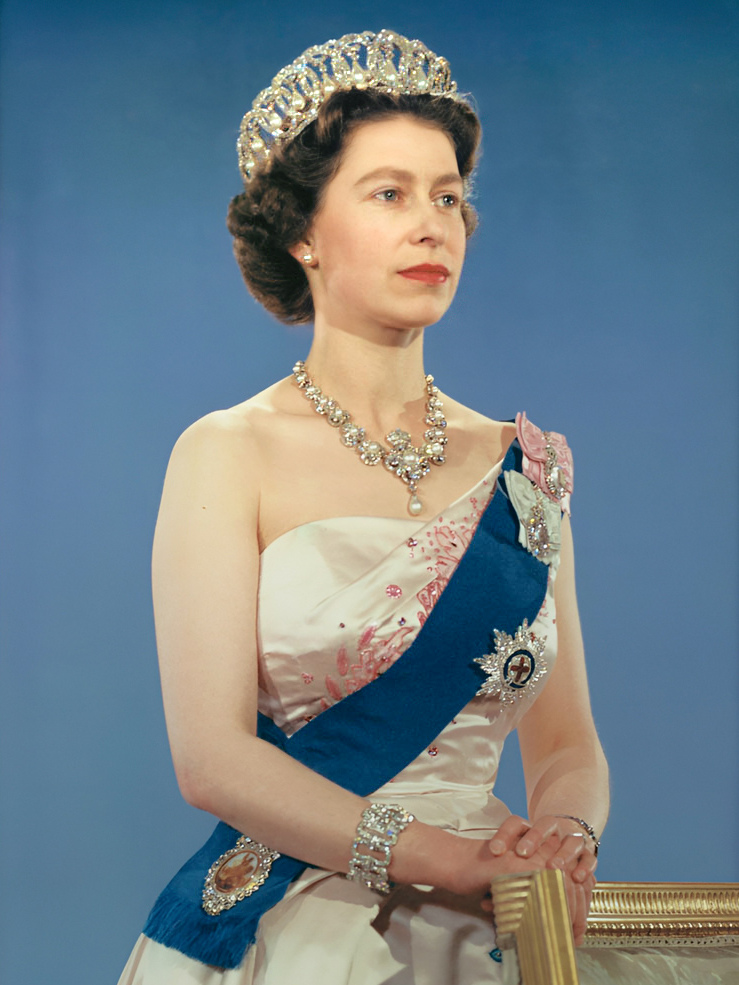
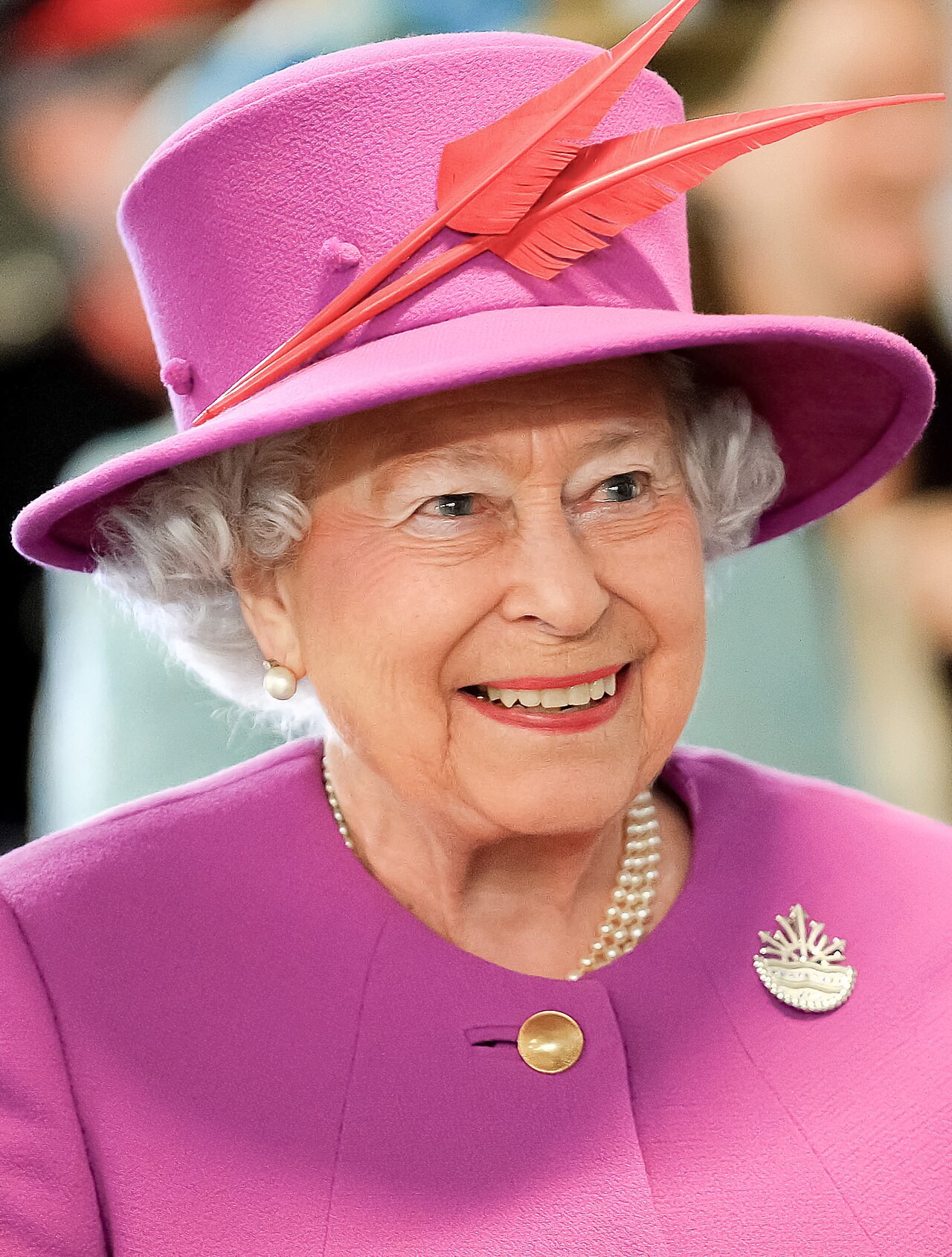
The Monarchy of Barbados was the system in which the British sovereign served as the island's ceremonial head of state from independence in 1966 until the nation's transition to a republic on 30 November 2021. Although Queen Elizabeth II acceded to the British throne in 1952, her role as monarch of an independent Barbados began at independence and continued under the country's constitution until republican change. During that period the Crown provided the legal basis for the office of the Governor‑General, who carried out most formal state duties at home.
Image gallery
10 Images



Role and institutions
Under the constitutional arrangements the monarch's powers were largely performed by a locally appointed Governor‑General acting on the advice of Barbadian ministers. The Governor‑General represented the continuity of the state and exercised functions such as granting royal assent to legislation, formally appointing prime ministers, and performing ceremonial duties. In practice these responsibilities were guided by convention and the elected government.
Typical functions
- Giving assent to laws passed by Parliament.
- Appointing or dismissing a prime minister and other ministers, usually on ministerial advice.
- Opening and dissolving Parliament and other formal acts of state.
- Serving as a focus for national symbols and protocol, including currency and official seals.
History and transition
Barbados was a British colony from the 17th century until it achieved independence in 1966. On independence the country became a constitutional monarchy within the Commonwealth; the sovereign was the same person as the British monarch but exercised distinct legal roles under Barbados's constitution. Debates about republican status developed over decades and culminated in constitutional change. On 30 November 2021 Barbados abolished the monarchy and the post of Governor‑General, replacing them with a locally appointed President and becoming a parliamentary republic while remaining a member of the Commonwealth.
Symbols, legacy and distinctions
The monarchy shaped many formal symbols of state: portraits of the sovereign appeared on coins, stamps and in official venues, and royal honours were part of the honours system. The transition to a republic transferred the ceremonial functions previously associated with the Crown to the new presidency, and prompted changes to insignia and some institutions. The distinction between a Commonwealth realm and a republic is constitutional rather than cultural; countries may remain in the Commonwealth while adopting republican forms of head of state.
For further context see general information on Barbados, the concept of a Commonwealth realm, and the constitutional role of a head of state.
Related articles
Author
AlegsaOnline.com Monarchy of Barbados Leandro Alegsa
URL: https://en.alegsaonline.com/art/65947