
Monarchy of Belgium
Overview of Belgium's constitutional monarchy: role and powers of the king, history from Leopold I to King Philippe, succession, duties, public role, residences and contemporary debates.
Overview
Belgium is a constitutional and popular monarchy in which the sovereign serves as the head of state. The holder of the office bears the official style "King of the Belgians," emphasizing a personal bond with the citizenry rather than a territorial dominion. The institution combines formal, legally defined powers with a primarily symbolic and unifying function in a multilingual, federal state. For the constitutional framework, see constitutional monarchy.
Image gallery
10 Images





Constitutional role and powers
Under the Belgian constitution the king performs a number of formal acts that are exercised on the advice and responsibility of ministers. Typical constitutional functions include promulgating laws, appointing and accepting the resignation of ministers, giving royal assent to legislation and taking part in the formal process of government formation. These acts are usually countersigned by the responsible minister, which places political responsibility with elected officials rather than the sovereign. More about the institution can be read at the monarch.
Public duties and representation
Beyond formal powers, the monarch undertakes a range of public duties: representing Belgium on state visits, receiving foreign envoys, presiding over national commemorations, and supporting charitable, cultural and scientific initiatives. The king often serves as a mediator or moral voice during political tensions and public crises, drawing on the symbolic authority of the crown to promote national dialogue and cohesion.
History and dynasty
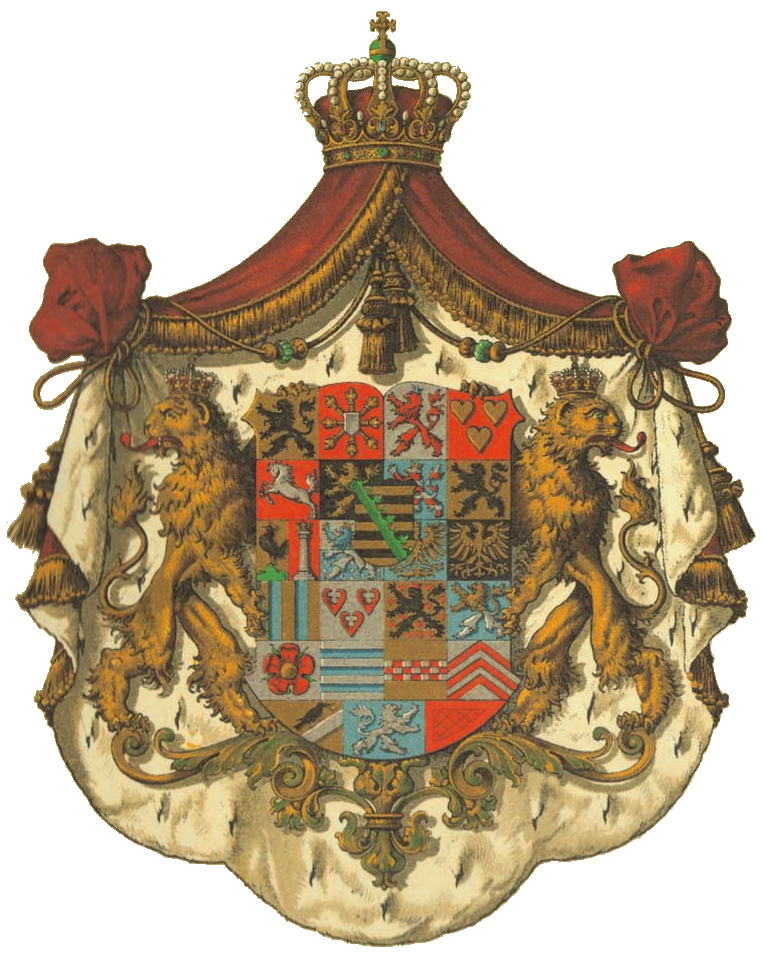
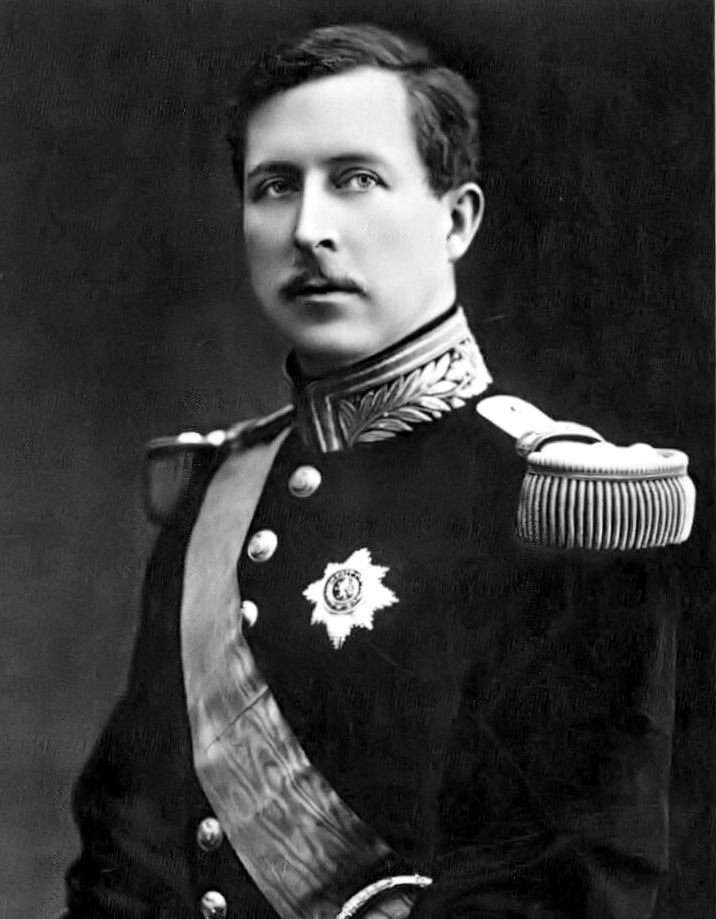
The modern Belgian monarchy was established after independence in 1830. Leopold of Saxe-Coburg and Gotha became the first King of the Belgians in 1831, founding a dynastic line that has continued to the present day. The royal house has adapted to changes in Belgium's constitutional arrangements, the move to federalization, and evolving public expectations; see historical notes on Leopold I and the dynasty.
Succession, title and current sovereign
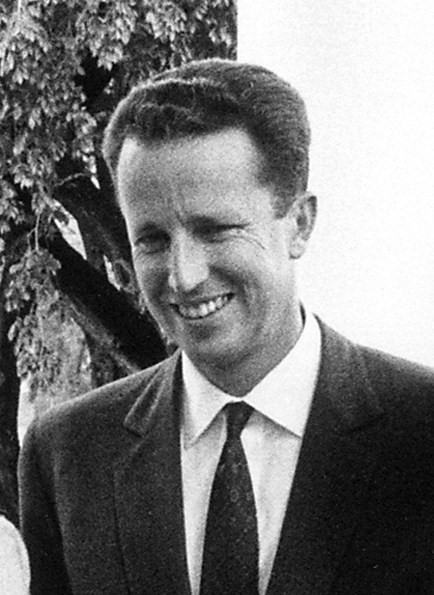
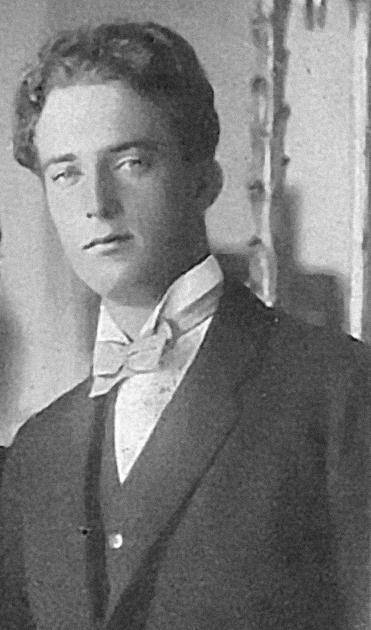
The title "King of the Belgians" signals the monarch's role as a national symbol. Succession is regulated by law and, in recent decades, Belgium moved to a system of absolute (gender-neutral) primogeniture, so the eldest child of the monarch succeeds regardless of sex. The current sovereign is King Philippe; information on his role and reign is available at King Philippe. For a general outline of the office as head of state see head of state.
Residences, funding and contemporary debates
The monarchy maintains official residences and supports a household that carries out public and representational duties. Funding, ceremonial costs and the hereditary nature of the institution are subjects of recurring public discussion. Supporters argue the monarchy provides continuity and a non-partisan focus for national identity; critics raise questions about cost, democratic legitimacy and modernization. These debates are part of a broader conversation about the role of constitutional monarchies in contemporary democracies.
Legal status and public expectations
Legally the monarch enjoys certain protections and acts within a framework of ministerial responsibility. Public expectations emphasize discretion, impartiality and service. Over time, the Belgian crown has evolved into a largely symbolic office with specific formal duties preserved by the constitution and practiced according to long-standing conventions.
Questions and answers
Q: What is the form of monarchy in Belgium?
A: The monarchy in Belgium is constitutional and popular in nature.
Q: Who is considered as the head of state in Belgium?
A: The monarch is considered as the head of state in Belgium.
Q: What is the official title given to the monarch of Belgium?
A: The official title given to the monarch of Belgium is King of the Belgians.
Q: Who is currently serving as the leader of Belgium?
A: Philippe I is currently serving as the leader of Belgium.
Q: Who was the first king of the Belgians?
A: Leopold of Saxe-Coburg and Gotha was the first king of the Belgians.
Q: What is the common trait of all the kings that have ruled Belgium so far?
A: All the kings that have ruled Belgium so far have belonged to the House of Saxe-Coburg and Gotha.
Q: Is the monarchy widely accepted by the people of Belgium?
A: Yes, the monarchy is popular in nature and widely accepted by the people of Belgium.
Related articles
Author
AlegsaOnline.com Monarchy of Belgium Leandro Alegsa
URL: https://en.alegsaonline.com/art/65948