
Mojanda (volcano and crater-lake complex)
Mojanda is an inactive stratovolcano in the Eastern Cordillera of the Andes in northern Ecuador, notable for a caldera that holds three high-altitude crater lakes and a protected páramo landscape.
Overview
Mojanda is an inactive stratovolcano located in the Eastern Cordillera of the Andes in northern Ecuador. Its summit area contains a caldera that hosts three prominent crater lakes. The feature combines volcanic geology with high Andean páramo ecosystems and is visible from nearby towns such as Otavalo.
Image gallery
4 Images


Geography and geology
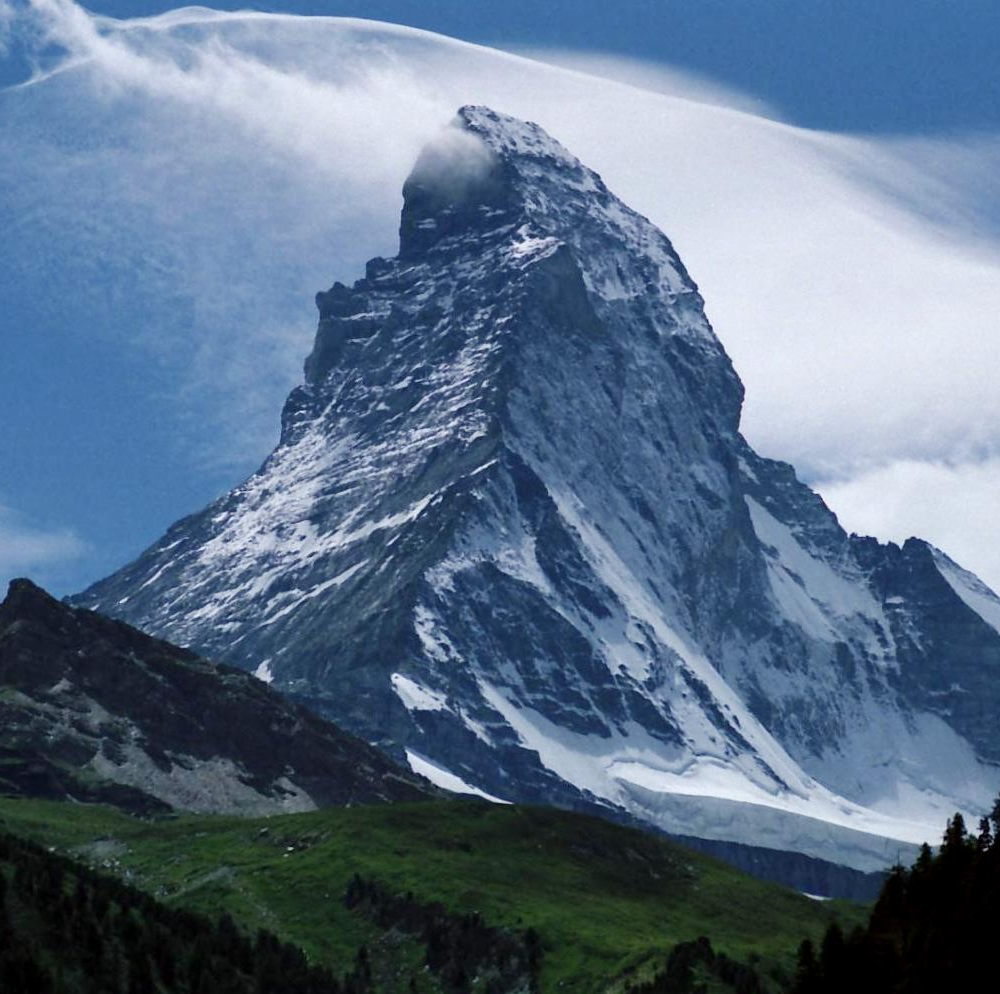
The Mojanda complex represents the eroded remains of a volcanic cone and caldera typical of Andean stratovolcanoes. Glacial and erosional processes have shaped the summit area since the volcano became inactive. The caldera floor is occupied by lakes and wetland patches, and the surrounding ridges form a scenic backdrop used for hiking and ecological observation.
Lakes and names
Three crater lakes occupy Mojanda's caldera basin. Their local names derive from Kichwa/Quechua roots often used throughout the highlands. Key lakes include:
- Karikucha (sometimes spelled Caricocha) — the largest of the three.
- Yanakucha (Yanacocha) — whose name includes yana, meaning "black" or "dark".
- Warmikucha (Huarmicocha) — with warmi meaning "woman"; local toponyms reflect indigenous linguistic roots.
Ecology and conservation
Mojanda lies within high-altitude páramo, an ecosystem of tussock grasses, shrubs and peat-forming wetlands that stores water and supports unique flora and fauna. Parts of the area are managed for conservation and sustainable use as visitors come for birdwatching, botanical interest and scenic landscapes. Protecting the wetlands helps maintain downstream water supplies for nearby communities.
Human use and significance
The Mojanda area is important to local communities for grazing, traditional land use and tourism. Trails lead to viewpoints around the lakes and across moorlands; seasonal weather can change rapidly, so hikers take precautions. The site is also of cultural interest because of its indigenous place-names and its role in regional natural heritage.
Notable facts and context
Although inactive, Mojanda forms part of a broader volcanic region that includes other caldera and cone systems of the northern Andes. Its combination of volcanic topography, three crater lakes and highland ecosystems makes it a distinctive destination for naturalists and visitors exploring Ecuador's Andean landscapes.
Related articles
Author
AlegsaOnline.com Mojanda (volcano and crater-lake complex) Leandro Alegsa
URL: https://en.alegsaonline.com/art/65820
Sources
- citiesonvolcanoes4.com : "Potential hazards in case of unrest at Mojanda - Fuya Fuya volcanic complex, Ecuador"