
Modoc County, California
Sparsely populated northeastern California county known for the Modoc Plateau, high desert landscapes, ranching economy, Native American history and remote outdoor recreation opportunities.
Overview
Modoc County lies in the far northeast corner of the U.S. state commonly called California. It is one of the most remote and least populated counties in the state. According to the 2010 census the county had 9,686 residents, a population that places it among California's sparsest counties. The county seat and only incorporated city is Alturas, which serves as the region's service center for government and commerce.
Image gallery
9 Images




Geography and environment
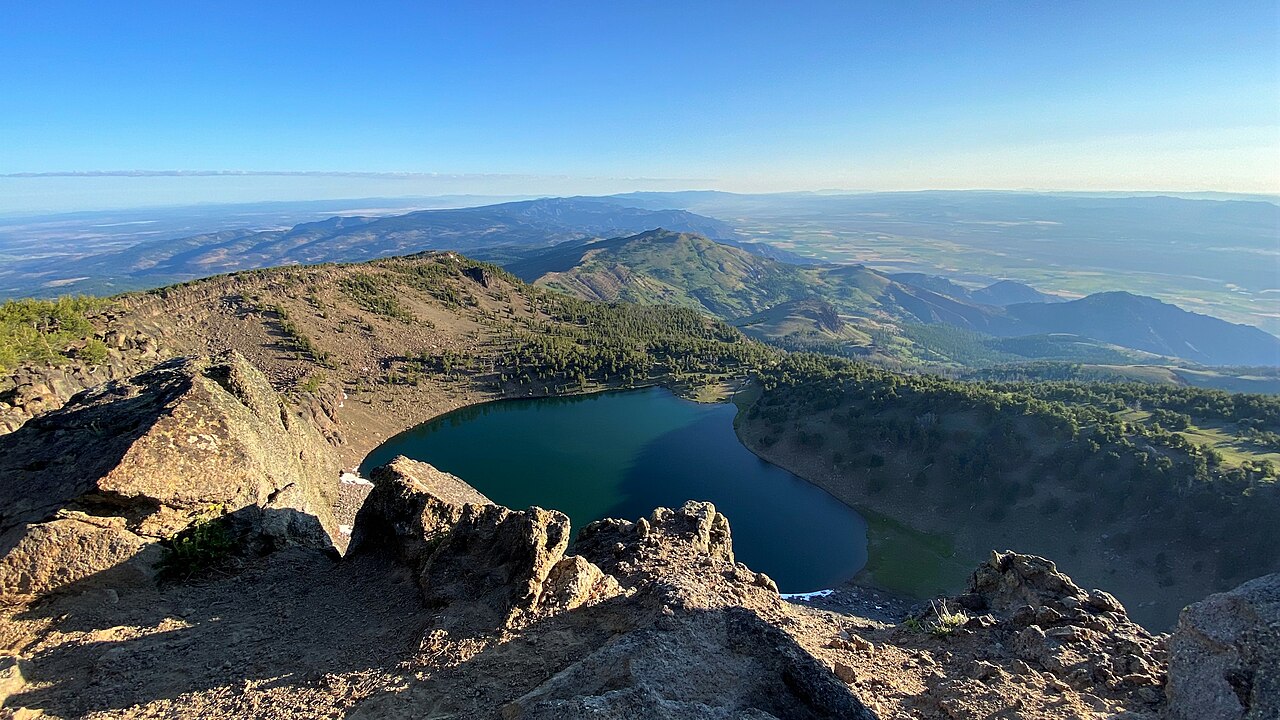
Modoc County's landscape is dominated by the high, volcanic Modoc Plateau and the forested Warner Mountains. The region mixes volcanic tablelands, sagebrush steppe, springs and seasonal lakes. Elevations vary from broad basins to rugged ridges, producing a semi-arid to high‑desert climate with cold winters and warm summers. The county shares long borders with neighboring states, lying adjacent to Nevada to the east and Oregon to the north.
History and cultural background
Indigenous peoples, including the Modoc and related groups, lived in this region for millennia and adapted to its seasonal resources. In the 19th century the area saw increased contact with Euro-American settlers, conflicts over land and water, and events such as the Modoc War that remain important in local memory. The county was established in the 19th century and has retained a rural character; earlier administrative centers included Lake City and the now-ghost town Centerville.
Economy, communities and demographics
Modoc's economy is driven largely by ranching, grazing, forestry, and government and service jobs centered in Alturas. Small communities and widely spaced ranches characterize settlement patterns. With a low population density, public services and commercial activity are concentrated in a few towns while much land remains in agricultural, forest, or conserved status.
Parks, recreation and conservation
The county is valued for outdoor recreation: hunting, fishing, hiking, birdwatching and wildlife viewing attract visitors looking for open landscapes and solitude. Portions of national forest, wildlife refuges and other protected lands conserve habitat for migratory birds and native species, and support nature-based tourism and scientific study.
Notable facts and distinctions
- Alturas functions as the county seat and primary commercial hub; historical county seats include Lake City and Centerville.
- Low population density and remote location distinguish Modoc from California's urbanized regions.
- The county's Native American heritage and 19th-century events are important to regional identity and interpretation.
For more information about local government, history and services visit the county's official pages and regional resources, or consult census and state references for updated demographic data.
Related articles
Author
AlegsaOnline.com Modoc County, California Leandro Alegsa
URL: https://en.alegsaonline.com/art/65730
Sources
- quickfacts.census.gov : "State & County QuickFacts"
- naco.org : "Find a County"