
Mixotroph — organisms using multiple energy and carbon strategies
A mixotroph is an organism able to obtain energy and carbon by more than one metabolic mode, switching or combining autotrophy and heterotrophy; common in microbes and some plants and protists.
Overview
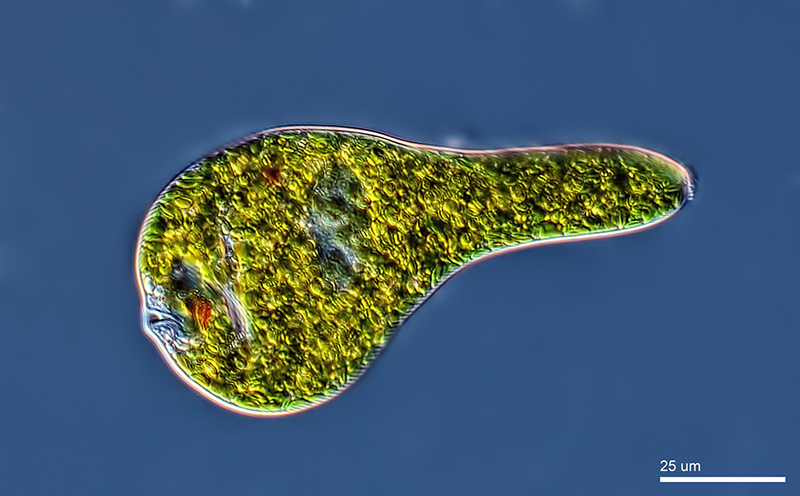
A mixotroph is an organism capable of using more than one form of metabolism to obtain energy and carbon. Rather than relying exclusively on photosynthesis (autotrophy) or on consuming organic molecules (heterotrophy), a mixotroph can combine or alternate these strategies depending on environmental conditions, life stage, or resource availability. This metabolic flexibility appears across many branches of life, from single-celled protists to some plants and numerous microbes.
Image gallery
10 Images



Characteristics and types
Mixotrophy describes several different patterns. Some organisms perform photosynthesis when light is present and switch to consuming organic matter in darkness. Others can use chemical energy (chemo-) in place of or alongside light energy (photo-), or obtain electrons from inorganic substrates (lithotrophy) as well as organic compounds (organotrophy). These distinctions are often named by combining the relevant prefixes, for example photoheterotrophy or chemoautotrophy when mixed modes occur.
Ecological roles and importance
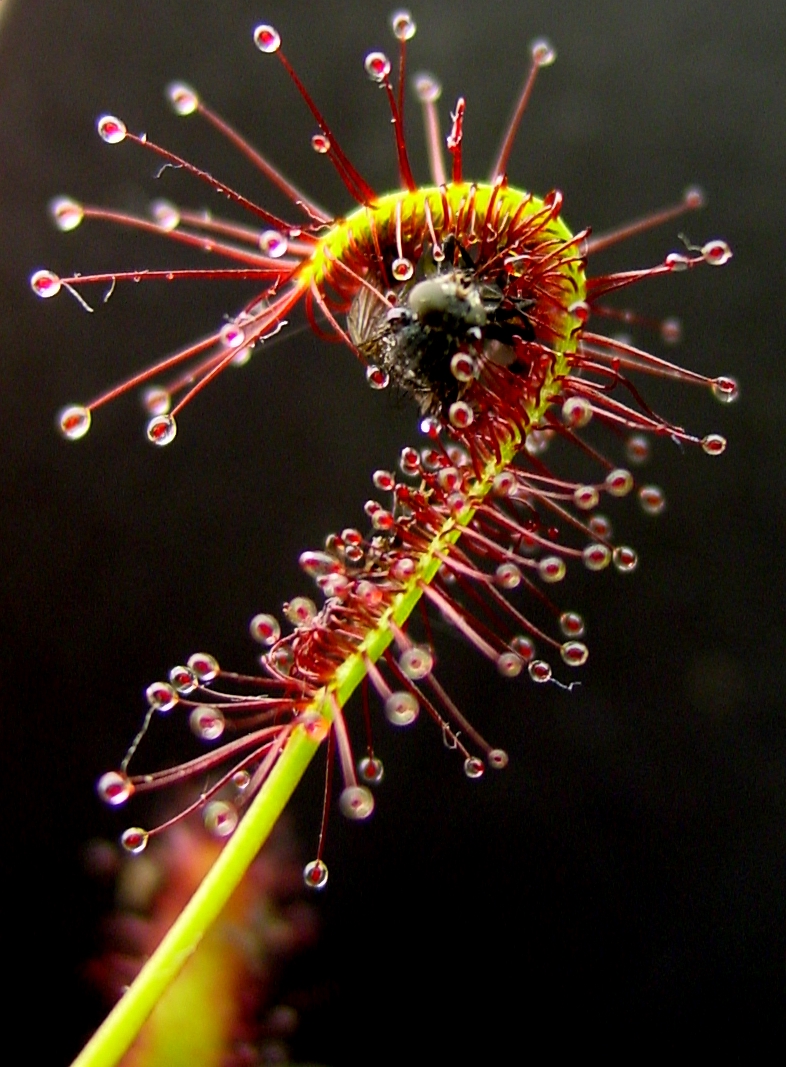
Mixotrophs affect nutrient cycles, food webs, and ecosystem productivity. In aquatic environments, mixotrophic protists can both photosynthesize and graze on bacteria, altering energy transfer between microbial and classical food webs. In terrestrial systems, some plants and fungi show facultative mixotrophy, gaining carbon through their own photosynthesis and from symbiotic or parasitic interactions. This versatility can give mixotrophs a competitive advantage in fluctuating or nutrient-poor habitats.
Examples and notable distinctions
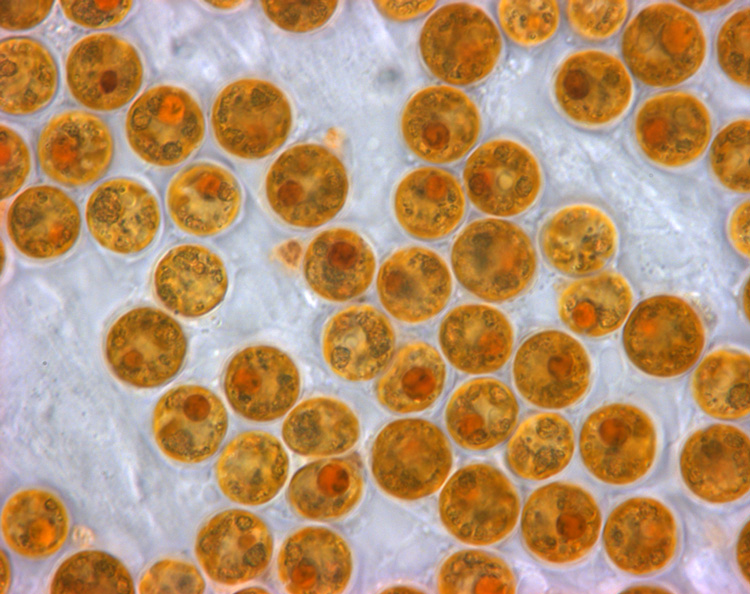
- Many single-celled eukaryotes combine photosynthesis with predation or absorption; these are often referred to as mixotrophic protists. Eukaryotes exhibit diverse mixotrophic strategies.
- Some bacteria and archaea shift between autotrophic and heterotrophic metabolism according to resources; these prokaryotic examples are linked to biogeochemical cycling. Prokaryotes can be mixotrophic as well.
- Plants that supplement photosynthesis by obtaining organic carbon from fungi or other plants are considered partially mixotrophic; such behavior blurs the line between strict autotrophy and heterotrophy.
History, study, and practical relevance
Recognition of mixotrophy has grown as microscopy, molecular methods, and ecological observations revealed organisms that do not fit classical metabolic categories. Researchers now study mixotrophs to understand their roles in carbon sequestration, algal bloom dynamics, and the resilience of ecosystems to environmental change. For definitions and related terms, see resources on autotrophy and heterotrophy.
Note: The term mixotroph emphasizes metabolic flexibility rather than a single fixed identity; organisms may be obligately mixotrophic or facultatively so.
Questions and answers
Q: What is a mixotroph?
A: A mixotroph is an organism that can use a mix of different sources of energy and carbon.
Q: Can mixotrophs only be either autotroph or heterotroph?
A: Mixotrophs can be either autotroph or heterotroph at different times in their life.
Q: What are some alternations that mixotrophs can go through?
A: Mixotrophs can go through alternations between photo- and chemotrophy, or between litho- and organotrophy.
Q: Can mixotrophs only be prokaryotes?
A: No, mixotrophs can be either eukaryotes or prokaryotes.
Q: Can mixotrophs rely on only one source of energy or carbon?
A: No, mixotrophs can use a mix of different sources of energy and carbon.
Q: Are there any specific types of mixotrophs?
A: No, mixotrophs refer to any organism that can use a mix of different sources of energy and carbon.
Q: Can mixotrophs be found in both terrestrial and aquatic environments?
A: Yes, mixotrophs can be found in both terrestrial and aquatic environments.
Related articles
Author
AlegsaOnline.com Mixotroph — organisms using multiple energy and carbon strategies Leandro Alegsa
URL: https://en.alegsaonline.com/art/65612
Sources
- pubmedcentral.nih.gov : Evidence for the ubiquity of mixotrophic bacteria in the upper ocean: implications and consequences