
Modern evolutionary synthesis
The modern evolutionary synthesis is the 20th-century integration of Mendelian genetics with Darwinian natural selection, forming a unified framework for understanding evolution, populations, and speciation.
The modern evolutionary synthesis is the consolidation of ideas that explained how heredity and variation produce evolutionary change. It reconciled the rediscovered work of Gregor Mendel with the theory of Charles Darwin, showing how Mendelian inheritance operates within populations governed by natural selection. The synthesis is often referred to as the neo-Darwinian synthesis and provided a working framework for the study of evolution throughout the mid-20th century.
Image gallery
10 Images






Core principles
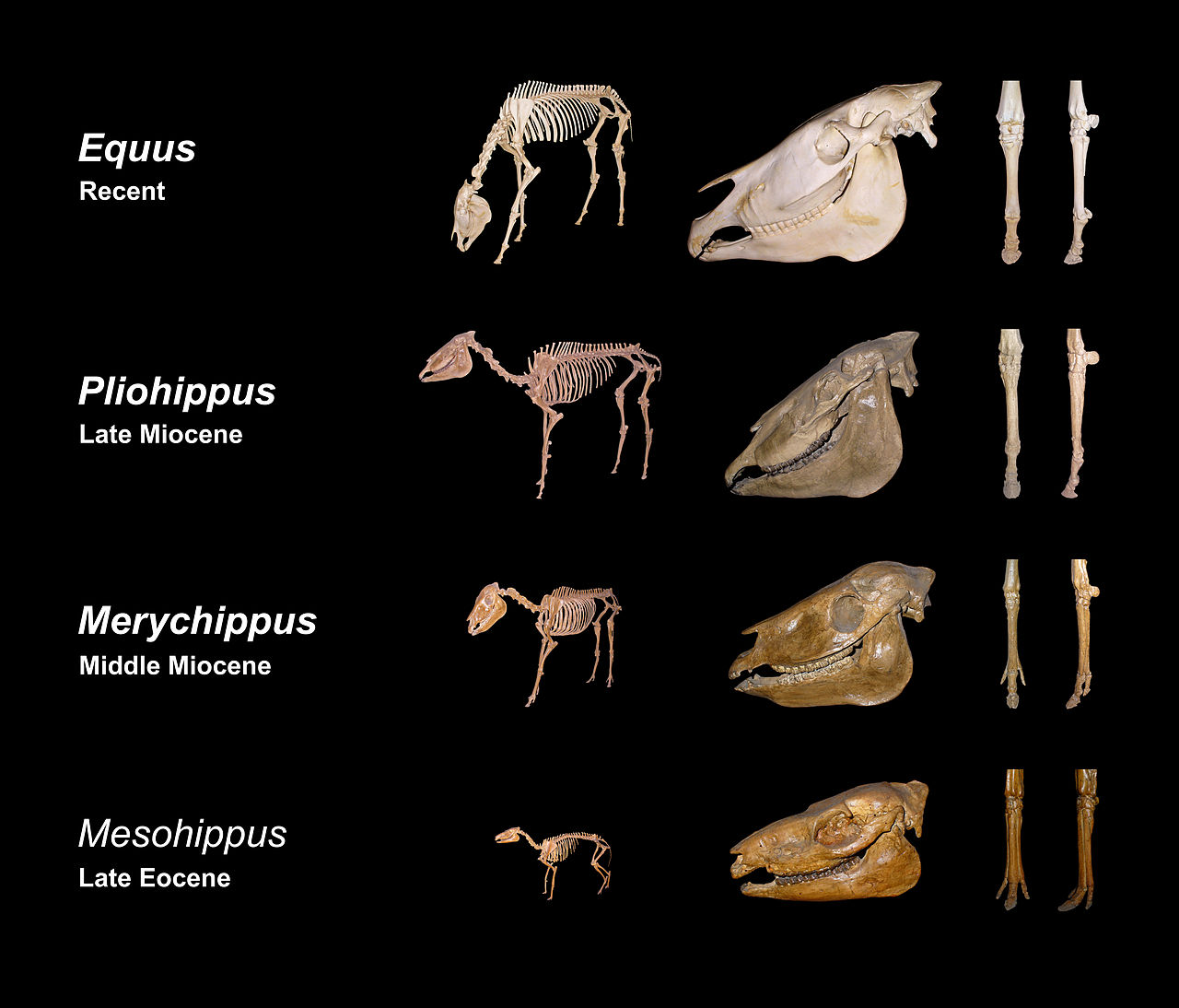
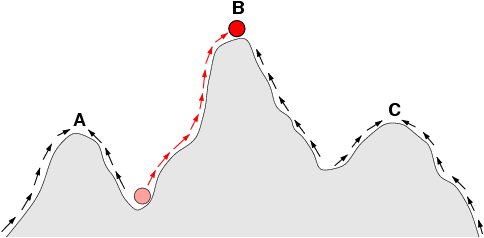
At its center are several interlocking ideas: populations, not individuals, are the units of evolution; genetic variation arises principally from mutation and recombination; heritable variation is the raw material acted on by selection; and evolutionary change is generally gradual, occurring by shifts in allele frequencies. The synthesis integrated population genetics with natural history and paleontology to explain how species originate and diversify.
Key contributors and development
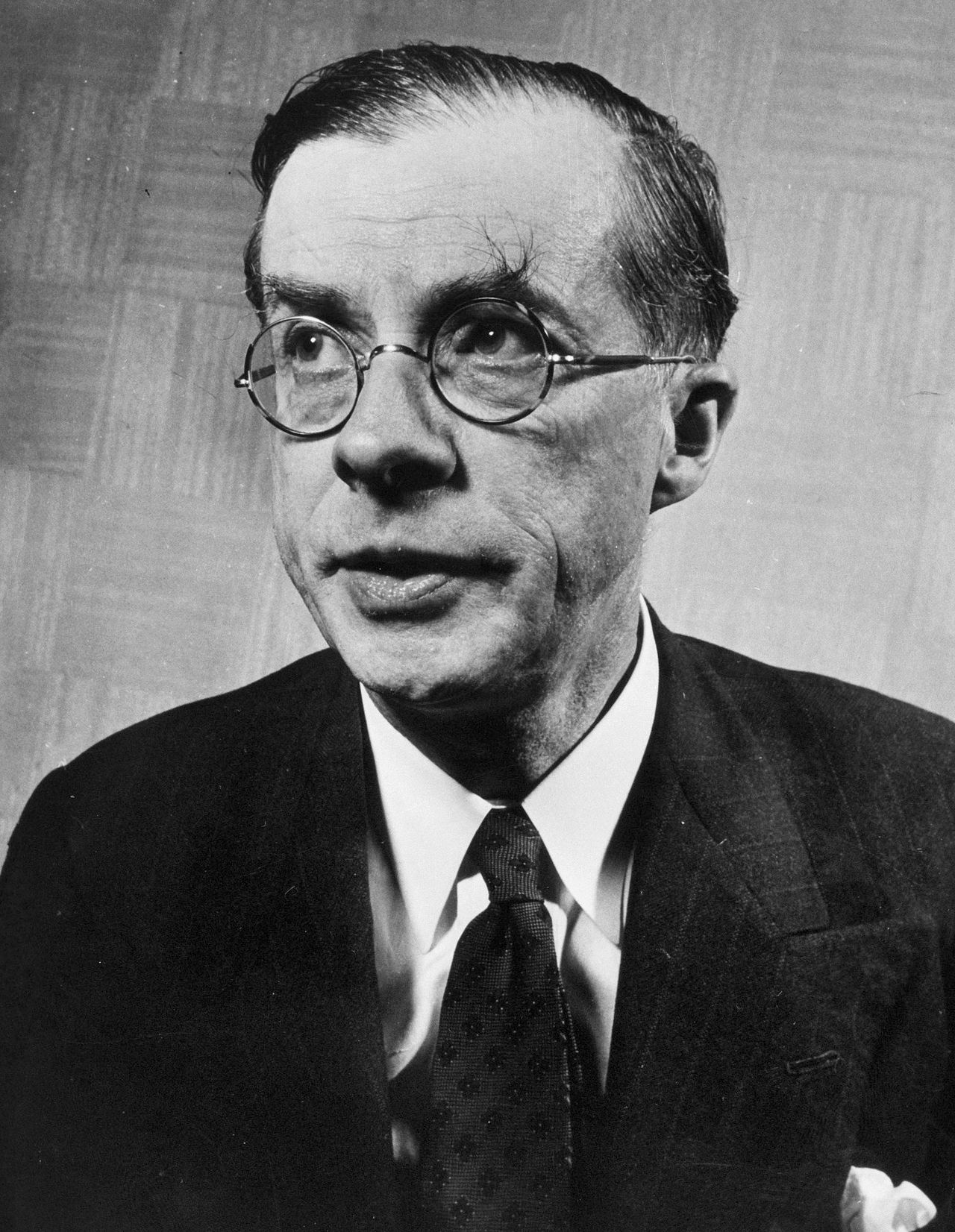
- Julian Huxley popularized and organized the synthesis in the 1940s, emphasizing its broad explanatory power.
- Theodosius Dobzhansky showed how genetic variation within natural populations could be measured and interpreted.
- Ernst Mayr contributed concepts of species and speciation grounded in population thinking and geography.
- Ronald Fisher, J.B.S. Haldane, and Sewall Wright developed the mathematical underpinnings of population genetics.
- Bernhard Rensch, G. G. Simpson and E. B. Ford added perspectives from comparative biology and natural history.
- G. Ledyard Stebbins extended synthesis ideas to plant evolution and systematics.
Applications and significance
The synthesis transformed biology by providing a common language for genetics, ecology, systematics and paleontology. It guides modern fields such as conservation genetics, evolutionary medicine, and agricultural breeding. Its population-genetic models underpin how scientists measure selection, drift, and gene flow in natural and managed populations.
Extensions, limits and legacy
Although foundational, the synthesis is not a fixed doctrine. Molecular biology, the neutral theory of molecular evolution, and evolutionary developmental biology (evo-devo) have expanded and refined its scope. Debates about the relative roles of selection, drift, development and constraint continue, but the synthesis remains the core historical framework that united disparate biological disciplines into a coherent theory of evolutionary change.
Questions and answers
Q: What is the modern evolutionary synthesis?
A: The modern evolutionary synthesis is a scientific theory that explains evolution and how Gregor Mendel's genetic discoveries fit with Charles Darwin's theory of evolution by means of natural selection.
Q: Who is Gregor Mendel?
A: Gregor Mendel is a scientist who discovered how we inherit our genes.
Q: Which biologists contributed to the modern evolutionary synthesis?
A: The key biologists who contributed work to the modern evolutionary synthesis include Julian Huxley, Theodosius Dobzhansky, Ernst Mayr, Ronald Fisher, J.B.S. Haldane, Sewall Wright, G.G. Simpson, E.B. Ford, Bernhard Rensch and G. Ledyard Stebbins.
Q: What did Mendel's genetic discoveries contribute to the modern evolutionary synthesis?
A: Mendel's genetic discoveries helped to explain how genes are inherited and how they contribute to evolution.
Q: What is Charles Darwin's theory of evolution by means of natural selection?
A: Charles Darwin's theory of evolution by means of natural selection states that species evolve over time by the process of natural selection, where individuals with advantageous traits are more likely to survive and reproduce, passing those traits on to their offspring.
Q: What is the significance of the modern evolutionary synthesis?
A: The modern evolutionary synthesis is significant because it brought together different fields of study, such as genetics, evolution, and ecology, to provide a comprehensive explanation of how evolution works.
Q: What were some of the challenges to the modern evolutionary synthesis?
A: Some challenges to the modern evolutionary synthesis include the emergence of new genetic technologies and the discovery of new mechanisms of evolution beyond natural selection, such as genetic drift and horizontal gene transfer.
Related articles
Author
AlegsaOnline.com Modern evolutionary synthesis Leandro Alegsa
URL: https://en.alegsaonline.com/art/65711
Sources
- theclacks.org.uk : Clack homepage
- ncbi.nlm.nih.gov : ncbi.nlm.nih.gov/pmc/articles/PMC1462076/pdf/11973285.pdf
- ncbi.nlm.nih.gov : ncbi.nlm.nih.gov/pmc/articles/PMC1462105/
- pnas.org : "Special feature: the evolution of evo-devo biology"
- doi.org : 10.1073/pnas.97.9.4424
- ncbi.nlm.nih.gov : 18255
- pubmed.ncbi.nlm.nih.gov : 10781035
- www3.interscience.wiley.com : "Special issue: Evolutionary innovation and morphological novelty"