
Mitsubishi A6M Zero — Japanese carrier fighter of World War II
The Mitsubishi A6M Zero was a long-range, carrier-based fighter of the Imperial Japanese Navy introduced in 1940. Renowned for agility and range, it dominated early Pacific air combat and later faced more advanced Allied fighters.
Overview
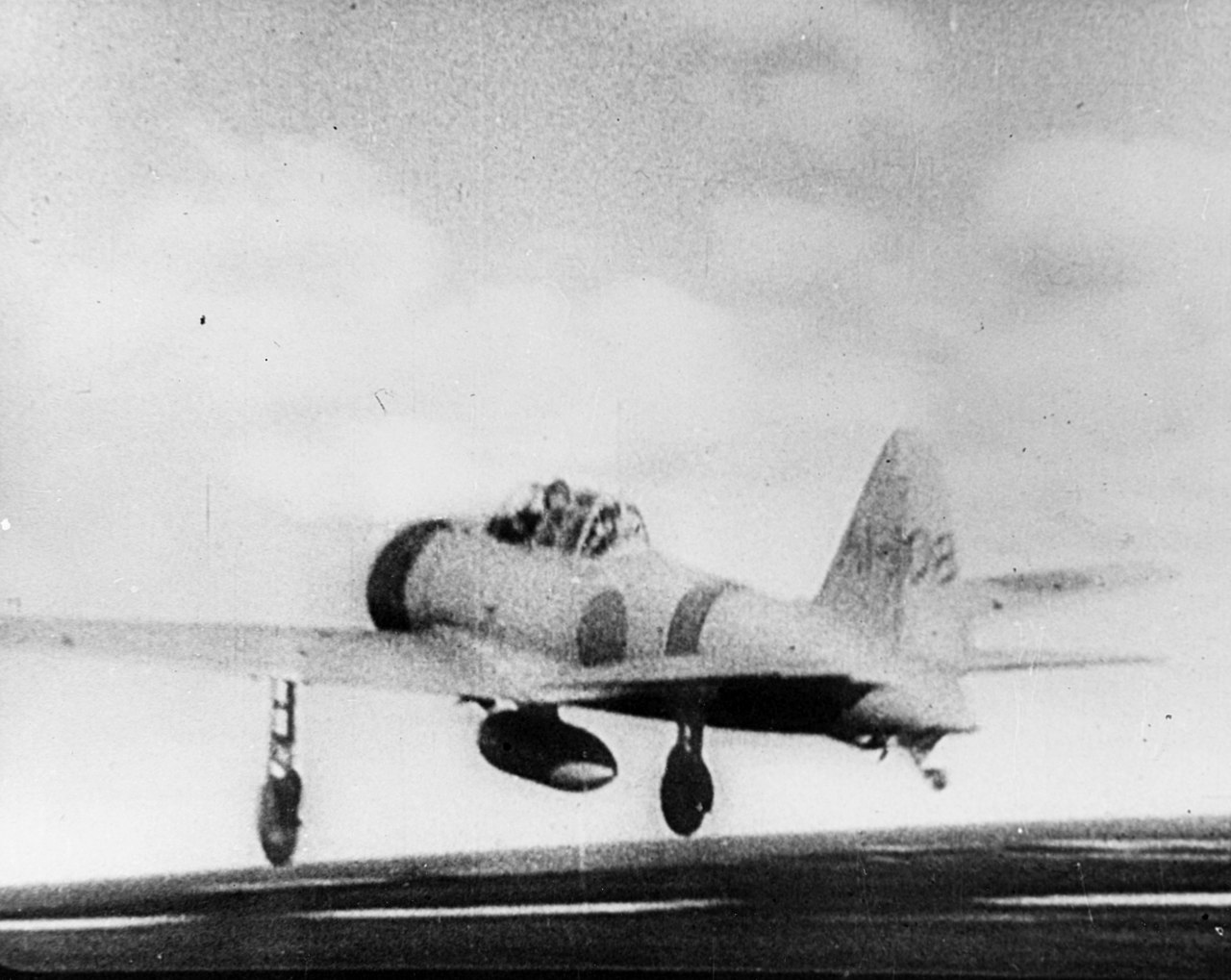
The Mitsubishi A6M Zero, commonly called the Zero, was a long-range, carrier-based fighter built for the carrier fleet of the Imperial Japanese Navy. Designed and manufactured by Mitsubishi, the aircraft made its first flight in 1939 and entered service around 1940. It became Japan's primary naval fighter in the opening years of World War II, gaining a reputation for exceptional maneuverability and extended operational range that exceeded most contemporary opponents.
Image gallery
10 Images




Design and characteristics
The Zero emphasized lightweight construction to maximize range and agility. Designers accepted trade-offs: the airframe had little armor protection for the pilot and lacked extensive self-sealing fuel tanks, which increased vulnerability when hit. The powerplant was a single radial engine driving a two-bladed (later three-bladed) propeller, and typical armament included a combination of machine guns and 20 mm cannons in production versions.
- Strengths: outstanding turn rate, climb performance for its era, and very long range.
- Weaknesses: light armor, limited protection for fuel tanks, and vulnerability to high-speed diving attacks.
- Role: carrier-based air superiority fighter and, later in the war, escort and ground-attack duties.
Development and operational history
Developed in the late 1930s to meet the Navy’s need for a modern carrier fighter, the Zero entered service just before large-scale Pacific operations began. It proved dominant in early engagements against Allied types, contributing to Japanese air superiority in the opening months. As the war progressed, Allied designers and tacticians adapted: new U.S. fighters and improved tactics reduced the Zero's advantages and exposed its vulnerabilities.
Combat performance, tactics and opponents
In dogfights the Zero excelled at tight-turning aerial combat and could outmaneuver many early Allied fighters. However, by trading protection and structural strength for agility and range it became susceptible to tactics that exploited speed, diving ability, and firepower. Allied pilots learned to use boom-and-zoom tactics and energy fighting rather than turning matches.
Major U.S. adversaries that encountered and were developed in response to the Zero included the Grumman F4F Wildcat (Wildcat), the Vought F4U Corsair (Corsair), and the Grumman F6F Hellcat (Hellcat). Each of these types benefited from greater protection, heavier armament, and tactics that neutralized the Zero's maneuvering edge.
Variants and legacy
Several A6M variants were produced, refining armament, engine performance, and range for evolving roles. Early models emphasized fighter qualities while later versions incorporated heavier guns or were adapted for kamikaze missions in the final stages of the conflict. The Zero's wartime career left a lasting legacy: it exemplified how design priorities (range and agility versus protection) shape combat effectiveness and how rapid technological and tactical changes can overturn early advantages.
Notable facts
- The Zero was widely admired by pilots and engineers for its elegant design and performance at the time of its introduction.
- Its initial successes prompted Allied efforts to develop specialized fighters and new aerial tactics.
- Today the Zero remains a frequently studied aircraft among historians and aviation enthusiasts for lessons in aeronautical trade-offs and naval air warfare.
Author
AlegsaOnline.com Mitsubishi A6M Zero — Japanese carrier fighter of World War II Leandro Alegsa
URL: https://en.alegsaonline.com/art/65563