
Mitchell Hooks (American illustrator and commercial artist)
Mitchell Hooks (1923–2013) was an American commercial illustrator known for paperback covers, magazine work and film posters including posters for Dr. No, The Sand Pebbles and El Dorado.
Mitchell Hooks was a prominent American commercial illustrator whose career spanned the mid-20th century, a period when painted covers and hand-rendered posters were central to popular culture and book marketing. He gained recognition for dramatic, figure-focused imagery used on paperback novels, magazines and motion-picture advertising. His work combined clarity of design with a cinematic sense of mood, and it remains sought after by collectors of vintage illustration.
Image gallery
1 Image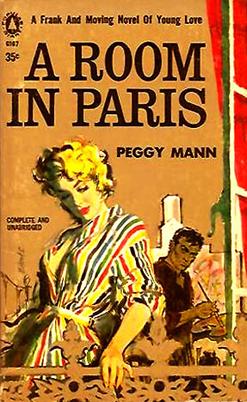
Artistic approach and subjects
Hooks worked in the visual language favored by commercial artists of his generation: bold compositions, expressive brushwork and an emphasis on human figures and faces. He produced covers that suggested narrative tension or romance with economical means — a few well-placed gestures, controlled color and strong contrasts. Like many illustrators of the era he used traditional media common to advertising and publishing, and he adapted his style to the needs of different markets, from gritty thrillers to glossy magazine features.
Notable commissions
Among the high-profile projects attributed to him are film posters and promotional art for major studio releases. Film titles associated with his poster work include Dr. No, The Sand Pebbles and El Dorado. He also produced numerous paperback covers and magazine illustrations that helped define mass-market visual culture in the 1950s and 1960s.
Life and career
Hooks was born in 1923 in Detroit, Michigan, and later worked in the broader commercial-art world of the United States. He is often described as a dedicated artist whose pieces were aimed at immediate public impact rather than private gallery exhibition. He died on March 17, 2013 in Los Angeles, California, of natural causes at the age of 89.
Legacy and collecting
Hooks's images are appreciated today for their historical value and craftsmanship. Original paintings, study sketches and vintage posters by him appear in private collections and auctions, and they are discussed in surveys of paperback and movie-poster art. His influence survives in contemporary illustrators who look to mid-century commercial art for composition and storytelling techniques.
- Roles: paperback and magazine illustrator, film poster artist
- Era of prominence: mid-20th century
- Best known for: narrative, figure-driven commercial images
Related articles
Author
AlegsaOnline.com Mitchell Hooks (American illustrator and commercial artist) Leandro Alegsa
URL: https://en.alegsaonline.com/art/65536
Sources
- askart.com : "Mitchell Hooks (1923 - )"
- mi6-hq.com : "Mitchell Hooks (1923-2013)"