
Missoula County, Montana — overview, geography, history, and institutions
Missoula County in western Montana includes the city of Missoula, river valleys and public forests. Established in 1860, it is a regional center for education, health care, recreation and cultural life.
Overview
Missoula County lies in the western part of the U.S. state Montana. As reported in the 2010 U.S. Census (2010 Census), the county had a population of 109,426, making it the state's second-most populous county at that time. The county seat and largest city is Missoula, a regional center for education, health care and commerce; official county government functions are located at the designated county seat.
Image gallery
1 Image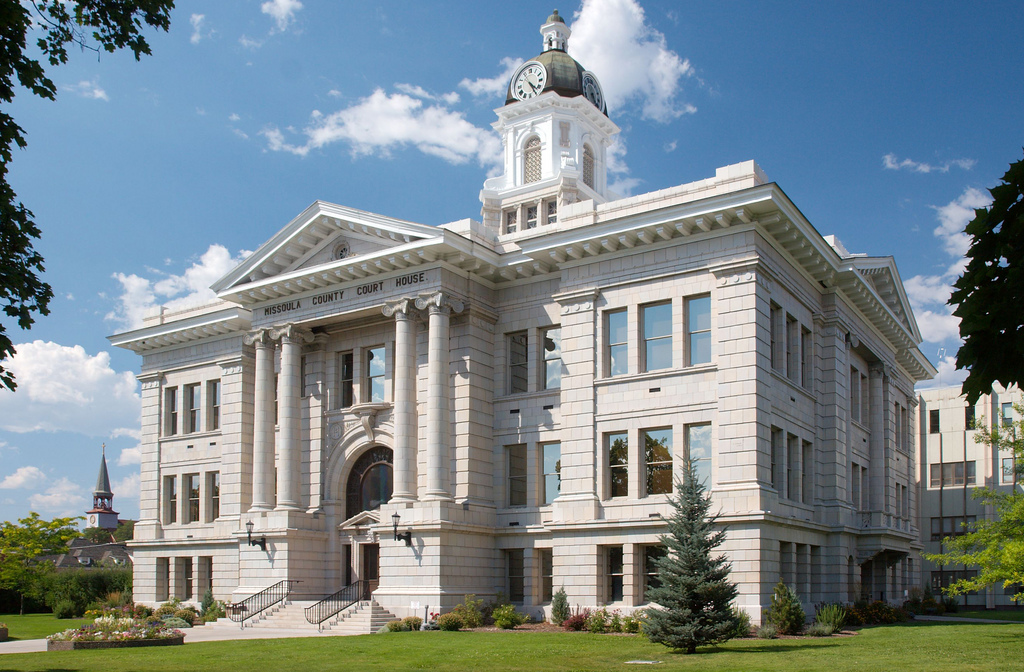
Geography and environment
Missoula County occupies a varied landscape of river valleys, coniferous forests and nearby mountain ranges. The Clark Fork River and its tributaries flow across the valley, providing fisheries, riparian habitat and scenic corridors. Much of the surrounding land is public forest managed for conservation and recreation, including access points into national forest lands and an extensive trail network for hiking, mountain biking and winter sports.
History and development
The county was created in 1860 during the territorial era. Settlement and growth followed the arrival of rail transportation and the development of timber and related industries. Over the 20th century the city of Missoula broadened its economic base as institutions, higher education and health care expanded, changing the area from a resource-extraction economy to a more diversified regional hub.
Economy, institutions and culture
Major institutions include a public university and associated research, regional hospitals and a mix of professional and service industries that support outdoor recreation and tourism. The University of Montana, local arts organizations and annual cultural events contribute to an active music and arts scene that draws residents and visitors alike. Conservation groups and land managers also play a significant role in local planning and natural-resource stewardship.
Communities, transportation and services
Besides the city of Missoula, the county includes smaller towns and rural neighborhoods connected by Interstate 90, state highways and local roads. A regional airport serves commercial and general aviation, and public services are provided through county government, school districts and regional health providers. For official information, planning documents and demographic data consult county and state resources through regional portals (state resources). Local guides and visitor bureaus list recreational sites and community events (county information).
Related articles
Author
AlegsaOnline.com Missoula County, Montana — overview, geography, history, and institutions Leandro Alegsa
URL: https://en.alegsaonline.com/art/65494
Sources
- quickfacts.census.gov : "State & County QuickFacts"
- naco.org : "Find a County"
- mtplacenames.org : "Montana Place Names Companion"