
Missoula, Montana
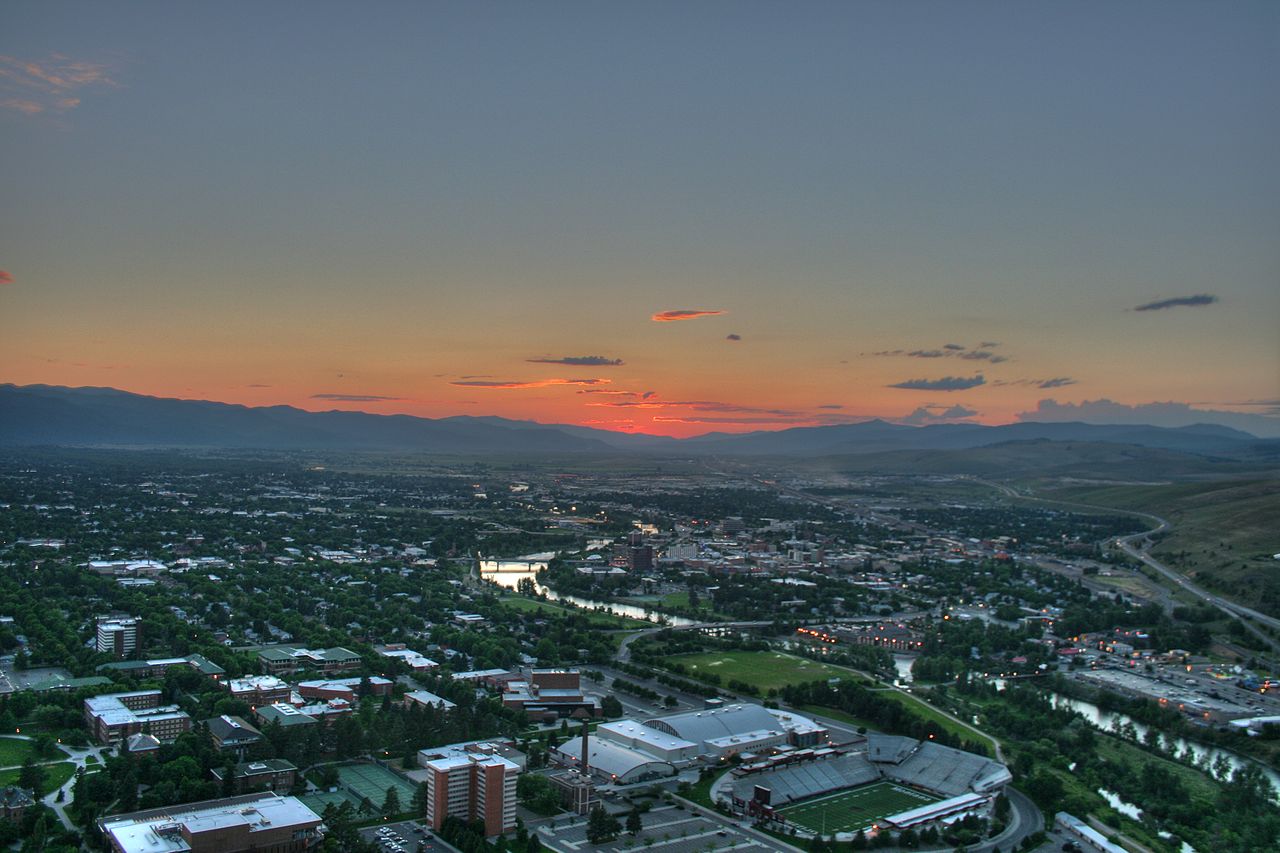
Missoula is a regional hub in western Montana, the county seat of Missoula County and home to the University of Montana, known for its rivers, mountain setting, outdoor recreation and cultural life.
Overview
Missoula is a city in western Montana that serves as the administrative center and largest city of its region. It is the county seat and principal city of the surrounding metropolitan area. Mid-decade estimates in the 2010s put the city's population near 70,000 and the broader metropolitan population above 100,000, according to the United States Census Bureau. Missoula is also home to the University of Montana, which strongly influences the local economy and cultural life.
Image gallery
10 Images




Geography and environment
The city occupies a river valley framed by forested hills and mountain ranges. The Clark Fork River runs through the heart of town and several smaller creeks feed into it. This setting creates a mix of riparian corridors, urban parks and nearby backcountry that supports a wide range of wildlife and outdoor recreation. Missoula's climate is continental with distinct seasons: warm summers, cold winters with snow in the surrounding high country, and transitional spring and fall months.
History and development
Long inhabited by Indigenous peoples of the region, the Missoula valley became a focal point for Euro-American settlement in the 19th century. The arrival of the railroad, military installations and timber operations shaped early growth. Over the 20th century the city diversified from resource extraction into education, health care and services while preserving many historic neighborhoods and civic buildings.
Economy, education and culture
Major local economic drivers include higher education, health care, government services and tourism. The University of Montana contributes faculty, students and research activity and anchors many cultural amenities such as museums, theaters and public events. Missoula has a lively arts scene, community festivals, galleries and a reputation for supporting independent businesses and local food enterprises.
Outdoor life and recreation
- River activities: fly fishing, rafting and kayaking on the Clark Fork and nearby streams.
- Hiking and mountain biking on trails in the Rattlesnake, Sapphire and Bitterroot areas.
- Winter recreation: downhill and cross-country skiing at nearby areas and snowshoeing in the backcountry.
- Parks and public spaces: riverfront parks, community trails and neighborhood greenways.
Notable facts and transportation
Often called a regional hub, Missoula combines small-city amenities with easy access to wilderness and protected public lands. It functions as a center for commerce and culture in western Missoula County. The city is connected by a commercial airport, rail lines and Interstate corridors that link it to other parts of the state and the broader mountain West.
Related articles
Author
AlegsaOnline.com Missoula, Montana Leandro Alegsa
URL: https://en.alegsaonline.com/art/65495
Sources
- factfinder.census.gov : "American FactFinder: 2014 Population Estimates"