
Mirpur Khas (Sindh, Pakistan)
Mirpur Khas is a district capital in Sindh, Pakistan, noted for fertile land, extensive horticulture—especially mango cultivation—local markets, and its role as an administrative and transport hub.
Overview
Mirpur Khas is a city in the southeastern province of Sindh in Pakistan. It serves as the administrative center of Mirpur Khas District and functions as a regional market and service town for surrounding agricultural areas. Local languages include Sindhi and Urdu, reflecting the area's cultural mix.
Image gallery
10 Images


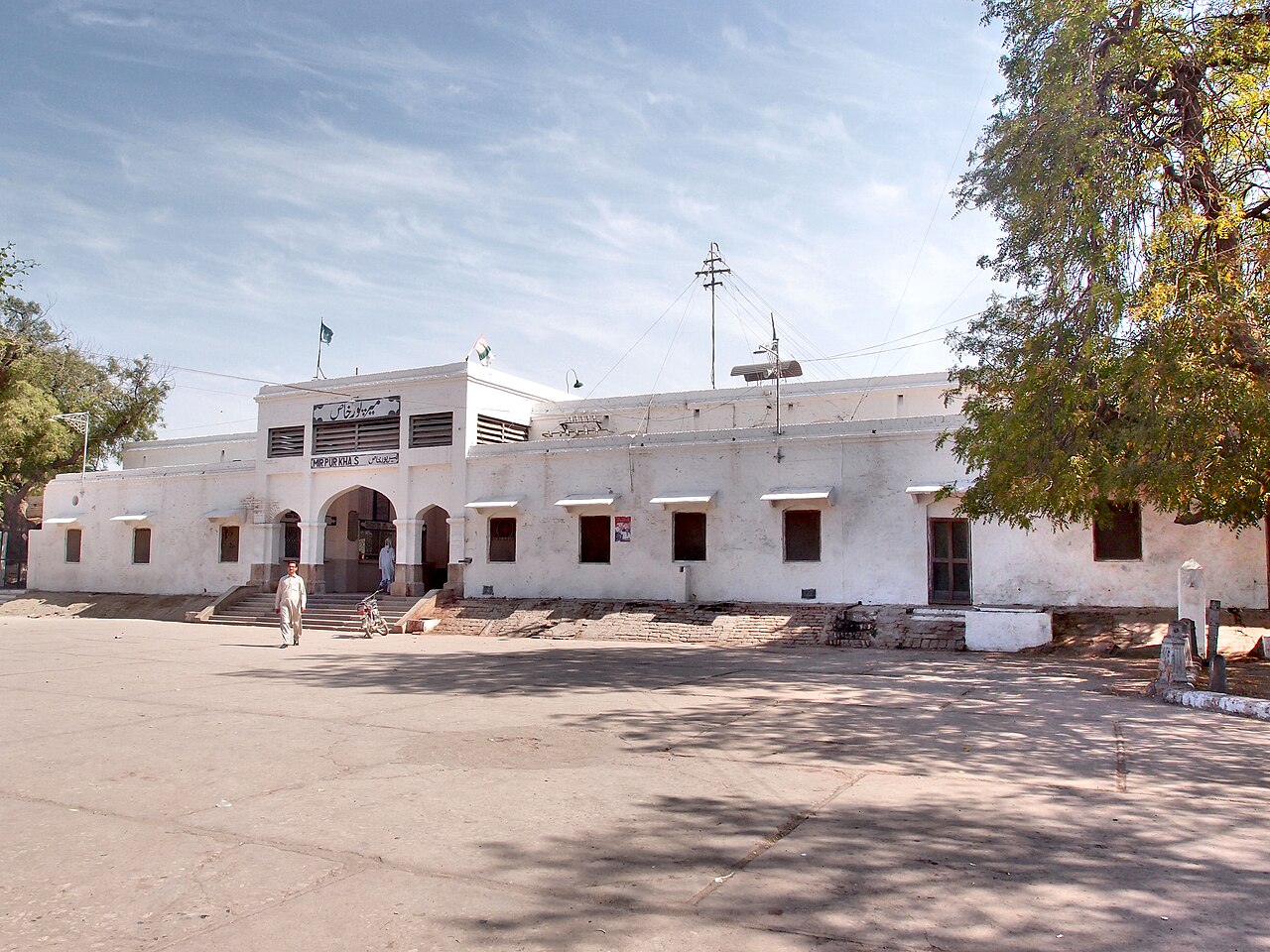


Geography and climate
Situated on the fertile plains of Sindh, Mirpur Khas lies within an irrigated agricultural zone shaped by canal systems fed from the Indus River basin. The climate is typically arid to semi-arid, with hot summers and mild winters; summer heat and winter coolness influence cropping calendars and water management practices in the district.
Economy and agriculture
The local economy is dominated by farming and horticulture. Crops and products commonly raised around the city include:
- Mangoes: Mirpur Khas is widely celebrated for mango cultivation and produces many varieties each season; mangoes are central to local trade and seasonal festivals.
- Other fruits and vegetables: guava, citrus, dates, and assorted vegetables grown for domestic markets.
- Field crops: wheat, cotton and other staple crops produced in irrigated fields.
Horticultural techniques, seasonal markets and fruit processing support local livelihoods and contribute to trade beyond the district. For general information on the region's produce see horticulture.
History and culture
Mirpur Khas has developed over time as a commercial and administrative node serving rural hinterlands. Cultural life blends traditional Sindhi customs with influences brought by internal migration. The city hosts seasonal events tied to agricultural cycles, including mango-related fairs and market days that attract growers and traders from across the province.
Transport, administration and services
As a district capital, Mirpur Khas houses government offices, schools and health services that serve a wider rural population. It is connected by road and rail corridors to other Sindh cities, enabling movement of produce to larger urban markets. Local bazaars, processing facilities and transport services form the logistical backbone for the agricultural economy.
Notable facts and distinctions
Historically recorded population figures date back several decades; for example a mid‑late 20th century estimate listed over 100,000 residents, reflecting steady growth since that time. The city's reputation for mango diversity and its role as a regional horticultural center are the most frequently cited distinguishing features. Visitors and researchers often note the prominence of seasonal fruit markets and the importance of irrigation infrastructure to the area's prosperity.
For further administrative or cultural context, authoritative sources on Sindh and regional districts can be consulted via local government and agricultural extension resources (district information, provincial resources, national overviews).
Related articles
Author
AlegsaOnline.com Mirpur Khas (Sindh, Pakistan) Leandro Alegsa
URL: https://en.alegsaonline.com/art/65398