
Minh Mạng (Nguyễn Phúc Đảm): Emperor of the Nguyễn Dynasty
Second emperor of Vietnam’s Nguyễn Dynasty (reigned 1820–1841). Known for centralizing reforms, Confucian conservatism, suppression of Christianity, intervention in Southeast Asian affairs, and a contested legacy.
Overview
Minh Mạng (阮福儒, personal name Nguyễn Phúc Đảm; 25 May 1791 – 20 January 1841) was the second emperor of the Nguyễn Dynasty in Vietnam, ruling from 1820 until his death in 1841. His era name, Minh Mạng (明命), is used in historical accounts to identify the period and policies associated with his government. He inherited the throne after the founder Gia Long and led a program of administrative consolidation and cultural centralization.
He was born on 25 May 1791 and died on 20 January 1841. As emperor he took the throne in 1820 and is often described as a ruler who strengthened the monarchy’s institutions while resisting foreign influence; he is officially recognized as an emperor of the Nguyễn line by Vietnamese imperial lists (imperial registers).
Image gallery
10 Images




Policies and administration
Minh Mạng pursued a deliberate program of centralization. He reorganized provincial administration, reinforced the civil-service examination system, and promoted Confucian learning as the ideological basis of the state. These measures aimed to standardize governance across a geographically diverse kingdom and to reduce the autonomy of local elites.
Religion, law and social control
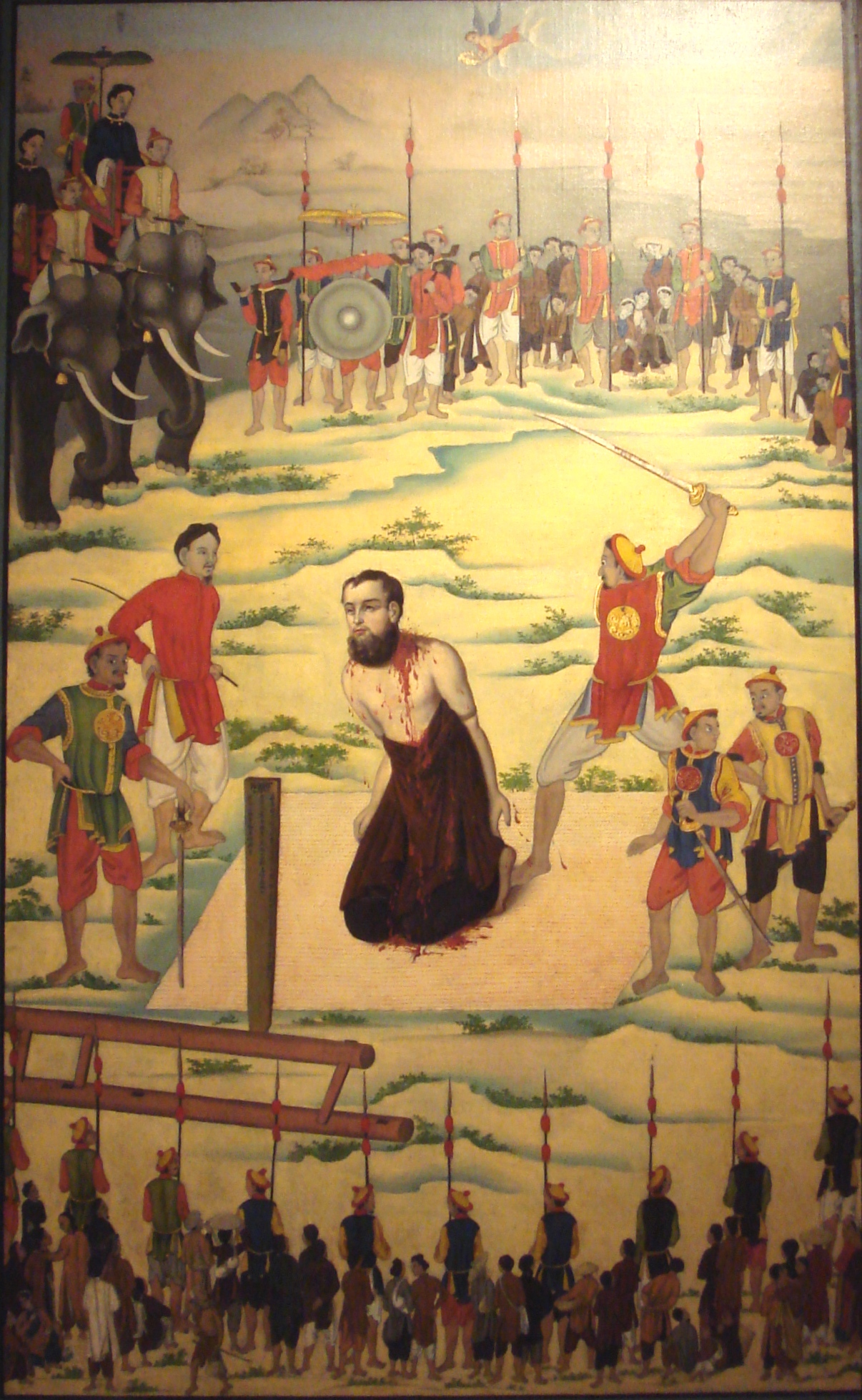
The emperor was a staunch Confucian and viewed new religious movements and foreign missionaries with suspicion. His government restricted the activities of Christian missionaries and enacted measures that led to periods of persecution of converts. Minh Mạng also emphasized strict social order and compiled official records and legal regulations to assert royal authority.
Foreign relations and regional actions
On foreign policy he favored traditional tributary ties, particularly with the Qing court, and was wary of European encroachment. Under his reign Vietnam increased its involvement in neighboring mainland Southeast Asia, intervening in Cambodian succession disputes and extending its influence in the Mekong region. These actions shaped later conflicts and diplomatic encounters with Siam and European powers.
Legacy and assessment
Historians view Minh Mạng as a complex figure: an effective administrator who reinforced dynastic rule but also a conservative leader whose resistance to Western ideas and harsh measures against dissent contributed to mounting tensions in the mid-19th century. His tomb near Huế remains a historical site, and his reign is a major topic in studies of 19th-century Vietnamese state formation.
Questions and answers
Q: Who was Minh Mạng?
A: Minh Mạng was the second emperor of the Nguyễn Dynasty in Vietnamese History, and his personal name was Nguyễn Phúc Đảm.
Q: When was Minh Mạng born?
A: Minh Mạng was born on May 25, 1791.
Q: What was Minh Mạng's reign period?
A: Minh Mạng's reign period lasted for 21 years, from 1820 until his death in 1841.
Q: What other name was Minh Mạng known by?
A: Minh Mạng was also known as Nguyễn Phúc Kiểu.
Q: What dynasty did Minh Mạng belong to?
A: Minh Mạng belonged to the Nguyễn Dynasty in Vietnamese History.
Q: When did Minh Mạng die?
A: Minh Mạng died on January 20, 1841.
Q: How long did Minh Mạng reign as emperor?
A: Minh Mạng reigned as emperor for 21 years, from 1820 until his death in 1841.
Related articles
Author
AlegsaOnline.com Minh Mạng (Nguyễn Phúc Đảm): Emperor of the Nguyễn Dynasty Leandro Alegsa
URL: https://en.alegsaonline.com/art/65195