
1841: Political change, legal milestones and cultural firsts
Overview of 1841: political change, legal decisions and cultural milestones, including U.S. presidential succession after Harrison’s death, the Amistad ruling, Canada’s union, the British census and colonial moves in Asia.
1841 was a year of political transitions, legal rulings and cultural developments in the early Victorian age. Events of this year reinforced practices of constitutional government, accelerated imperial and administrative change, and contributed to evolving literary and scientific life across Europe and the Americas.
Image gallery
10 Images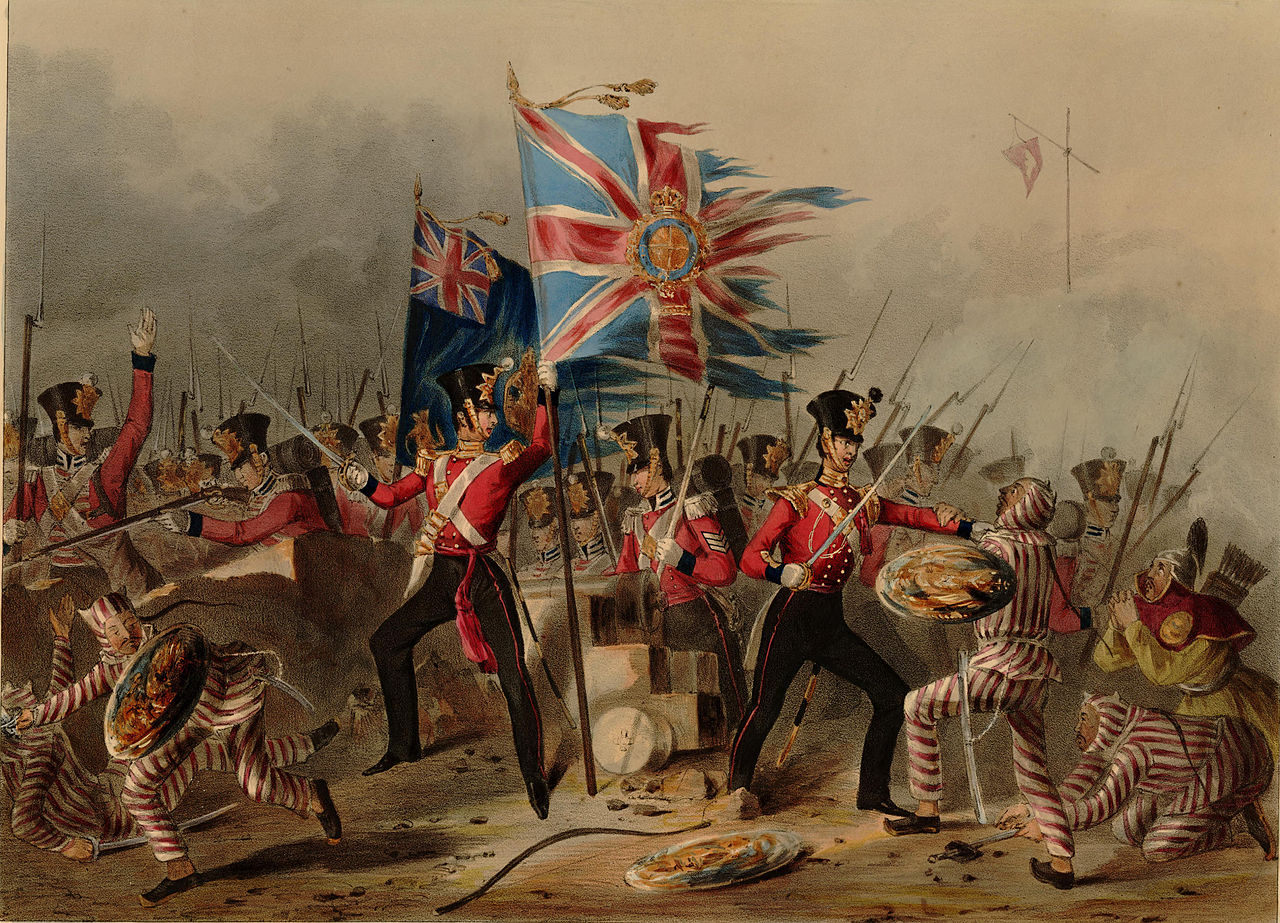




Major political and legal events
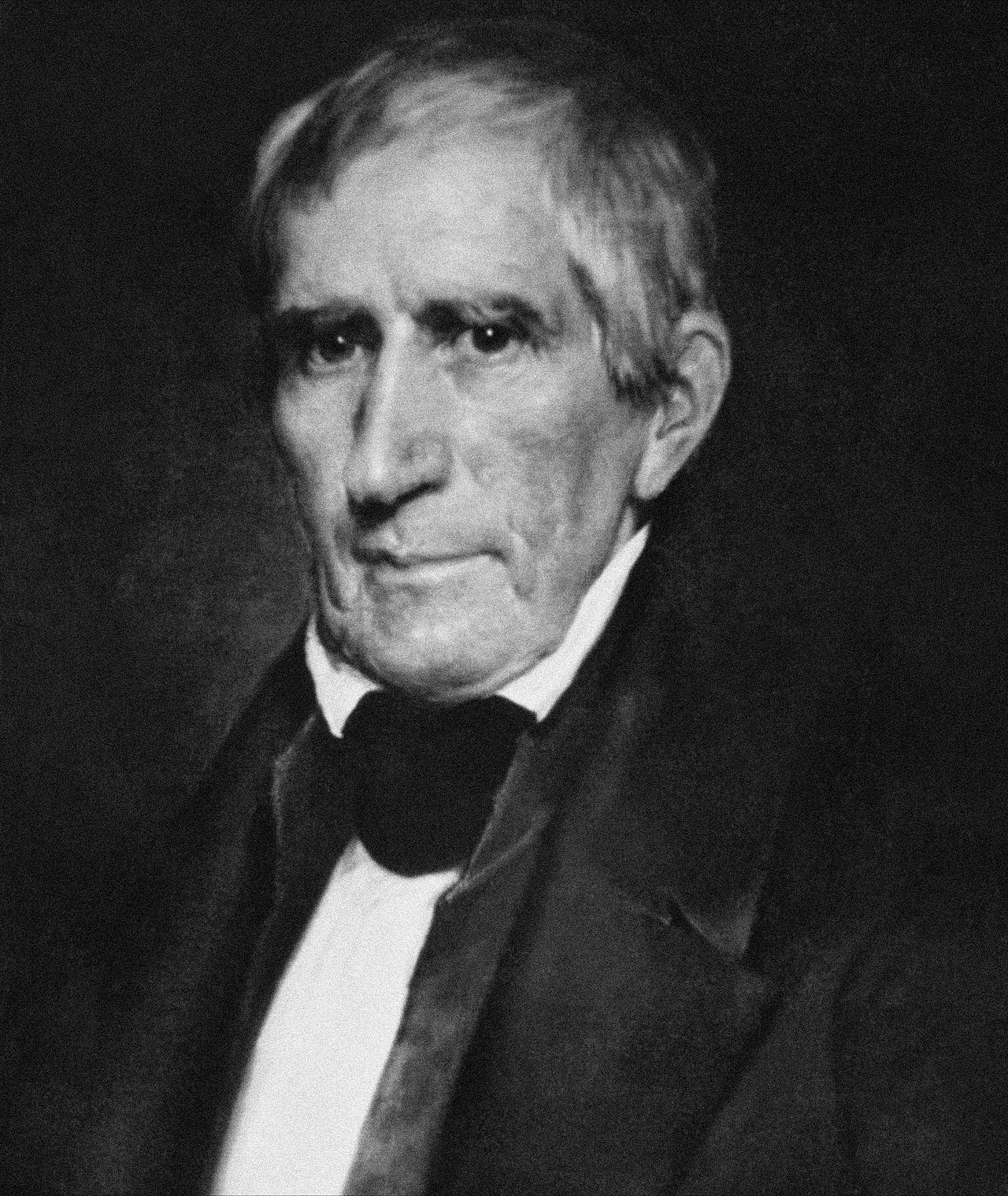
In the United States President William Henry Harrison died after a month in office and Vice President John Tyler assumed the presidency. Tyler’s succession established a practical precedent for presidential replacement that influenced later constitutional practice and was ultimately clarified by the 20th and 25th Amendments in the 20th century. In March 1841 the U.S. Supreme Court issued its decision in the Amistad case, ruling that the Africans who had seized the ship La Amistad were to be recognized as free men; the case became a prominent episode in the debate over slavery and human rights.
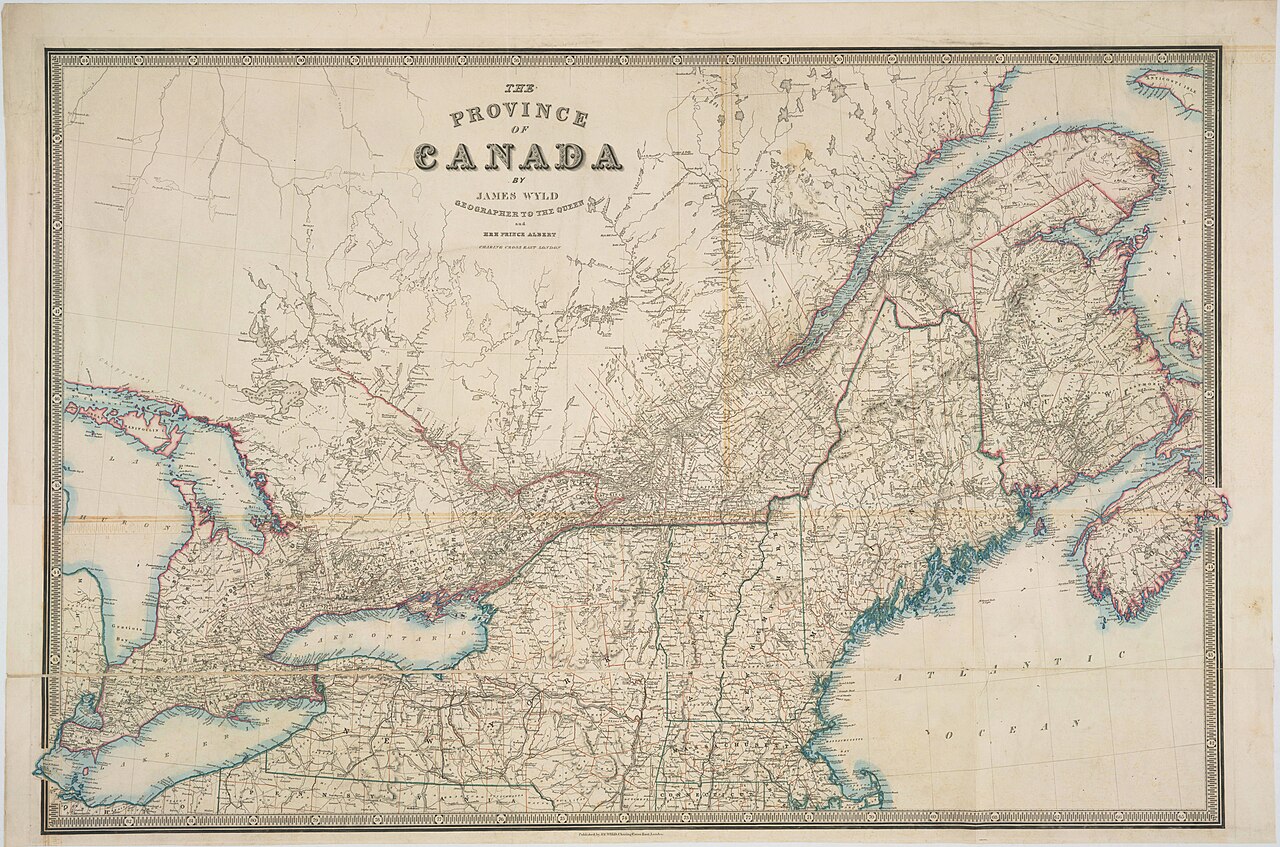
In British North America the Act of Union, passed in 1840, took full effect in 1841, uniting Upper and Lower Canada into the Province of Canada and reshaping colonial administration. In Britain the 1841 general election returned Sir Robert Peel to office as prime minister, and the national census of 1841 was the first modern British census to record the names of every individual.
Empire, exploration and technology
During the First Opium War British forces occupied Hong Kong in 1841, an event that foreshadowed the island's later status under British administration. Across Europe and North America the expansion of railways and the rapid spread of the electric telegraph continued to transform travel, communication and commerce, linking cities and accelerating industrial growth.
Culture, science and notable births
The year saw important cultural activity: Edgar Allan Poe published "The Murders in the Rue Morgue," often cited as an early modern detective story. Composer Antonín Dvořák, one of the major musical figures of the late 19th century, was born in 1841. Scientific societies, museums and learned institutions continued to expand in many countries, reflecting wider educational and intellectual development.
Significance and legacy
- Tyler’s assumption of the presidency reinforced norms of succession later clarified by constitutional amendment.
- The Amistad decision influenced legal and public debates over slavery and human rights in the United States.
- Administrative union in Canada and Britain’s actions in Asia illustrated ongoing 19th-century imperial and colonial realignments.
- Technological advances in transport and communications contributed to economic and social change across continents.
Taken together, the events of 1841 reflect a world negotiating modern governance, expanding imperial reach and a vibrant cultural life that would shape later 19th-century developments.
Questions and answers
Q: What happened in the year 1841?
A: The text simply states "1841", without providing any specific event or historical context.
Q: Can you provide any additional information about what might have happened in 1841?
A: Without more context, it is impossible to say for certain what might have occurred in 1841. It could have been a significant year for a particular country or region, or it could have been relatively uneventful.
Q: Is there any significance to the use of this particular year in the text?
A: It is possible that the year 1841 was included as a marker for a specific historical period or context, but without more information it is difficult to say for certain.
Q: Is it possible that the text is referring to a specific event or invention that occurred in 1841?
A: Yes, it is possible, but without more information it is impossible to provide any specific examples.
Q: How might the inclusion of the year 1841 influence the reader's interpretation of the text?
A: Depending on the context and content of the text, the inclusion of the year 1841 could serve to provide a specific historical timeframe or to emphasize the importance of a particular event or development from that time period.
Q: Is there anything else in the text that might provide clues about what occurred in 1841?
A: No, the text provides no additional information beyond the year 1841 itself.
Q: In what context might the year 1841 be a significant time period?
A: This would depend on the particular historical context being discussed. In general, 1841 would fall within the mid-nineteenth century, a period of significant political and social upheaval in many parts of the world. In the United States, for example, 1841 saw the beginning of William Henry Harrison's presidency, as well as the onset of the Oregon Trail migration.
Related articles
Author
AlegsaOnline.com 1841: Political change, legal milestones and cultural firsts Leandro Alegsa
URL: https://en.alegsaonline.com/art/111799