
Millard Mitchell: American character actor (1903–1953)
Millard Mitchell was an American stage and film character actor, born in Havana to American parents; known for My Six Convicts and A Foreign Affair, he won a Golden Globe in 1952 and died in 1953.
Overview
Millard Mitchell was an American actor whose career spanned stage, radio and motion pictures in the mid-20th century. He became known as a reliable supporting performer who often portrayed gruff, authoritative or wry secondary characters. Mitchell's economical style and timing made him a familiar presence in both dramatic and comic studio pictures of the 1940s and early 1950s.
Image gallery
1 Image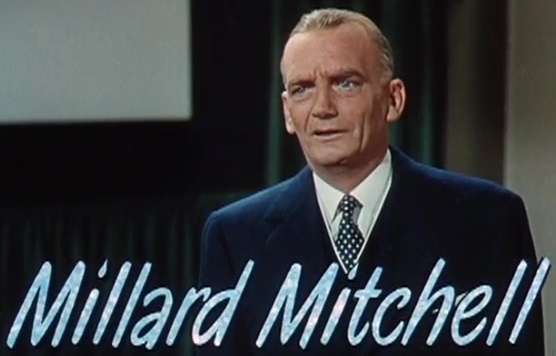
Early life and background
Mitchell was born on August 14, 1903, in Havana, Cuba, to American parents. Public records note his American family background, and like many actors of his era he gained early experience in live theatre and regional stage productions before moving into radio and film work. That stage training informed the controlled, expressive performances that became his hallmark.
Career and notable roles
Mitchell established himself as a dependable character player rather than a conventional leading man. He is particularly remembered for supporting turns in films such as My Six Convicts and Billy Wilder's A Foreign Affair, roles that highlighted his ability to humanize secondary figures and to add depth to ensemble casts. In 1952 he received a Golden Globe Award in recognition of his work, a mark of distinction among contemporary supporting actors.
Selected film highlights
- My Six Convicts — a dramatic vehicle that showcased his sympathetic instincts in supporting dramatic work.
- A Foreign Affair — a postwar comedy-drama in which his presence complemented a strong ensemble cast.
- Numerous other studio pictures of the 1940s and early 1950s, where he was often cast as policemen, officials or pragmatic townsmen that advanced the story without seeking the spotlight.
Personal life and death
Mitchell was married to Peggy Gould. He died on October 13, 1953, in Santa Monica, California, of lung cancer at the age of 50. His relatively early death curtailed a steady career during an era when the studio system provided regular work for skilled supporting players.
Legacy and significance
Today Millard Mitchell is chiefly remembered by film historians and classic-film enthusiasts for the dependable, character-driven performances that enhanced many mid-century films. He exemplifies the vital role of the character actor in Hollywood's studio era: providing texture and emotional ballast to stories without demanding the central spotlight. His Golden Globe recognition and recurrent appearances in notable films contribute to a modest but enduring place in American cinema history.
Related articles
Author
AlegsaOnline.com Millard Mitchell: American character actor (1903–1953) Leandro Alegsa
URL: https://en.alegsaonline.com/art/65008