
Milo Yiannopoulos
British political commentator and writer known for provocative conservative commentary, criticism of feminism and Islam, involvement in online culture wars, and public controversies over remarks on consent.
Overview
Milo Yiannopoulos is a British public commentator, writer and speaker known for provocative rhetoric and a confrontational public style. He built a profile by engaging with online culture debates and conservative media, and has been a polarising figure in discussions about free speech, identity politics and internet culture.
Image gallery
4 Images
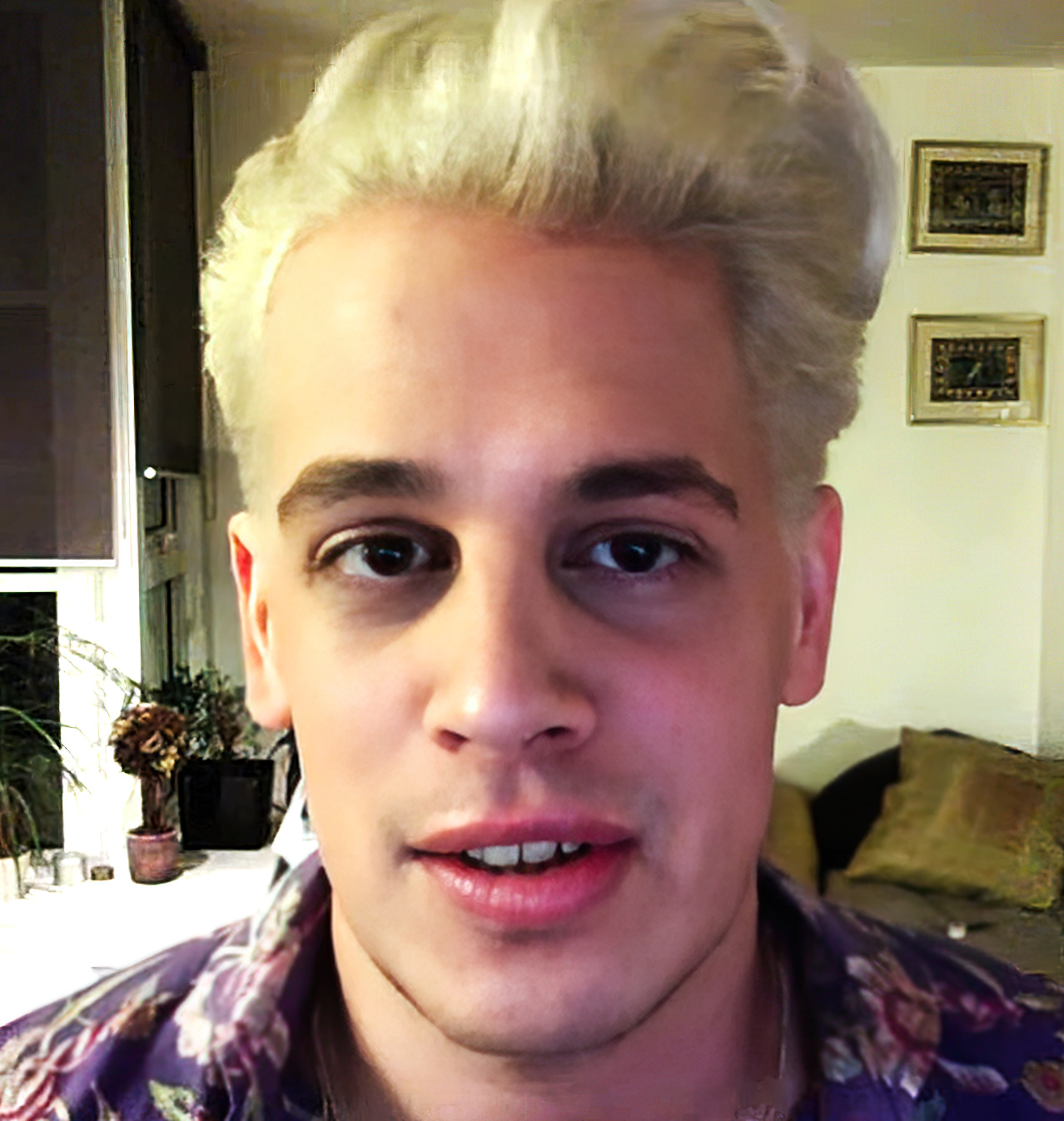


Background and career
Yiannopoulos studied at the University of Manchester and later attended Wolfson College. He has written journalism and opinion pieces for a range of outlets and worked as an editor at prominent online publications. He covered the so-called gamergate controversy and later became a frequent speaker at conservative and libertarian events. His work often blends commentary on technology, popular culture and politics.
Themes and public positions
He is widely identified with outspoken criticism of feminism and of Islam, and has presented himself as a defender of permissive interpretations of free speech. Supporters praise his role as a provocateur who challenges prevailing social orthodoxies; critics describe his style as inflammatory and opportunistic. He is often associated with the broader online right-wing movement, a label he has at times disputed.
Controversies and consequences
Yiannopoulos's career has been marked by several controversies. Remarks he made suggesting that sexual activity between sexual partners including relationships involving younger people could be consensual prompted intense criticism and led to professional repercussions: loss of media positions, cancellation of a publishing contract, and the curtailment of some event invitations. He has also been suspended or banned from various social platforms amid disputes about harassment and hate speech policies.
Reception and legacy
Public reaction to Yiannopoulos ranges from admiration by those who see him as a free-speech advocate to condemnation by those who view his rhetoric as harmful. His career illustrates how digital media can elevate controversial voices and how controversy can quickly produce legal, commercial and social consequences. Commentators study his trajectory when examining online radicalization, media ecosystems and the commercial risks of provocative commentary.
Further notes
- Roles: journalist, editor, author and public speaker.
- Notable topics: online culture wars, identity politics, and free-speech debates.
- Significant incidents: media dismissals and revoked publishing and speaking arrangements after public backlash.
For more on related topics see entries on feminism, Islam, discussions of sexual consent, and legal frameworks governing adults and minors in different jurisdictions.
Questions and answers
Q: Who is Milo Yiannopoulos?
A: Milo Yiannopoulos is a British writer who often criticizes feminism and Islam.
Q: Where did Milo Yiannopoulos study?
A: Milo Yiannopoulos studied at the University of Manchester and Wolfson College.
Q: What is gamergate controversy?
A: The gamergate controversy was a controversy over the video game industry that Milo Yiannopoulos covered.
Q: What was Milo Yiannopoulos criticized for in 2016?
A: Milo Yiannopoulos was criticized for saying that sex between adults and children can sometimes be consensual in 2016.
Q: What media outlet has Milo Yiannopoulos worked for?
A: Milo Yiannopoulos has worked for The Telegraph.
Q: Does Milo Yiannopoulos support feminism?
A: No, Milo Yiannopoulos often criticizes feminism.
Q: Which religion does Milo Yiannopoulos often criticize?
A: Milo Yiannopoulos often criticizes Islam.
Related articles
Author
AlegsaOnline.com Milo Yiannopoulos Leandro Alegsa
URL: https://en.alegsaonline.com/art/65069