
Ascoli Piceno — Historic city in Italy's Marche region
Ascoli Piceno is a historic city in Italy's Marche region, capital of its province, famed for its travertine-built center, Renaissance Piazza del Popolo, medieval architecture and culinary tradition.
Ascoli Piceno is a long-established Italian city and municipality in the central region of Marche, situated in central Italy. It serves as the administrative capital of its eponymous province and has a historic core that remains a focal point for visitors and residents alike.
Image gallery
10 Images
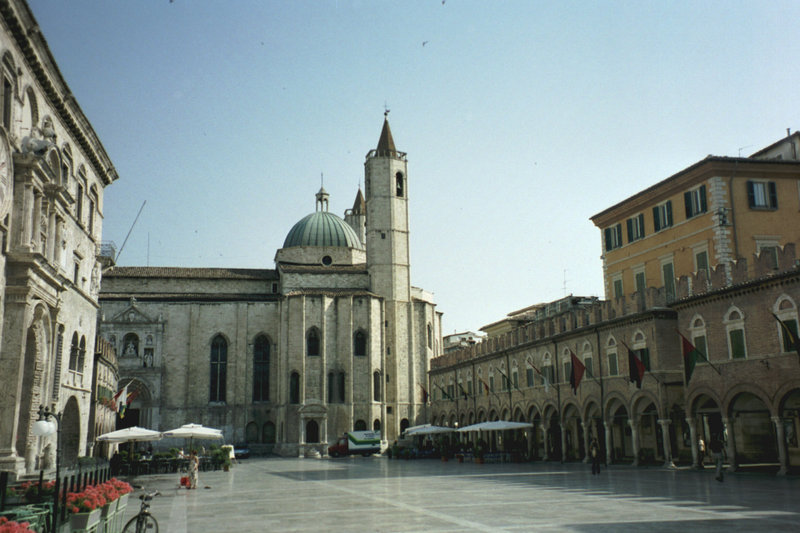
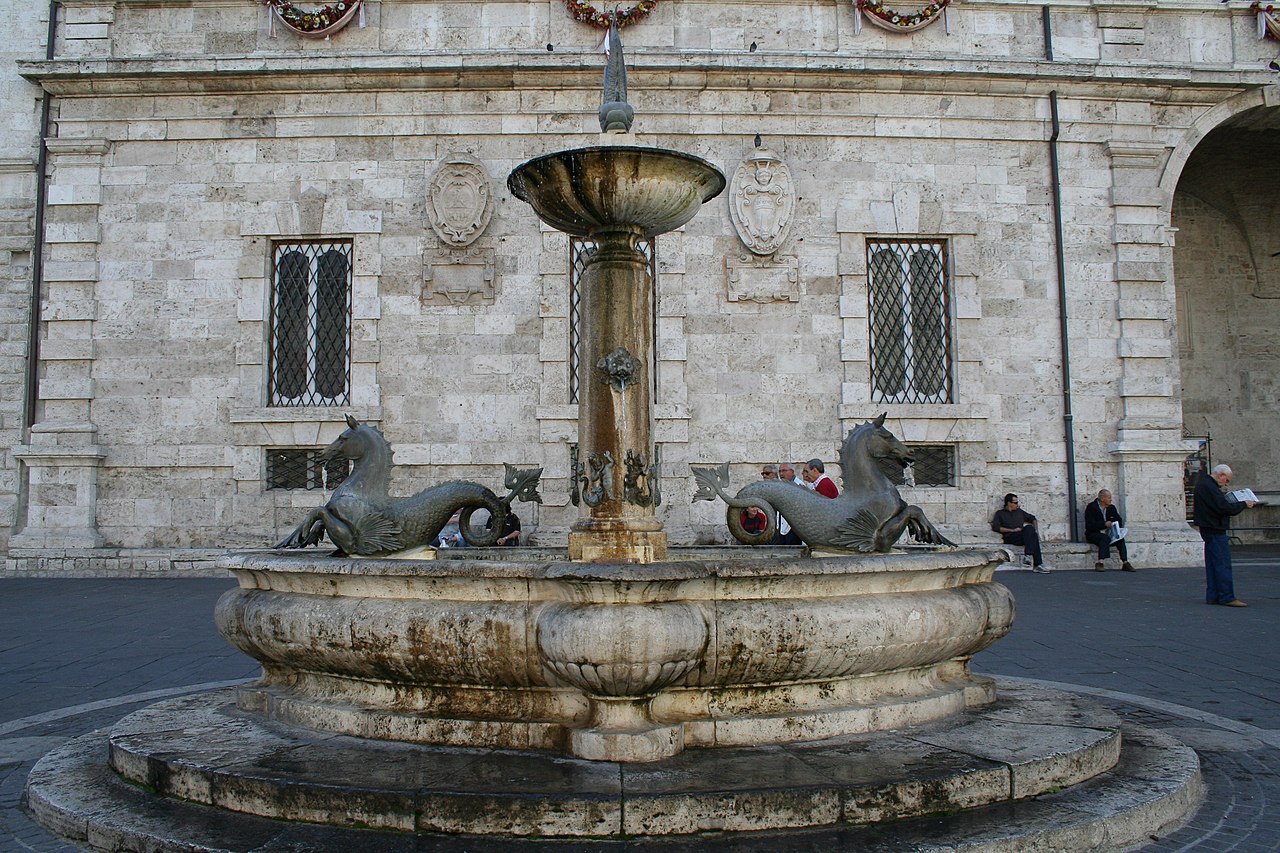


Urban character and stonework
The most distinctive visual quality of Ascoli Piceno is its streets and public spaces paved and faced in local travertine. The pale, compact marble known locally as travertine or travertino gives the center a uniform, subdued appearance. Even the facades and arcades reflect the grey-hued tones of the surrounding Apennine quarries, producing a cohesive architectural ensemble that changes subtly with the light.
History in outline
Founded in prehistoric and Italic times by indigenous peoples, the town later became the Roman Asculum and played a role in ancient conflicts. Over centuries it evolved through medieval governance and Renaissance rebuilding, leaving layers of fortifications, civic palaces and churches. The historical sequence is legible in the city plan, where Roman remains, medieval towers and later palazzi coexist.
Principal landmarks
- Piazza del Popolo — the central Renaissance square and social heart; a broad open space framed by arcades and public buildings (Piazza del Popolo).
- The cathedral and churches — important religious buildings dedicated to local patrons, with artworks and varied architectural phases.
- Medieval towers and palaces — civic and noble structures that illustrate the city’s former autonomy and wealth.
- Roman remains and bridges — archaeological traces that underline the town’s ancient origins.
Culturally, Ascoli Piceno preserves folk traditions, periodic historical reenactments and markets that attract regional visitors. Its culinary profile includes fried stuffed olives known as "olive ascolane" and other Marche specialties that reflect local agriculture.
Today Ascoli remains valued for its compact historical center, walkable streets, and the atmospheric consistency created by the travertine. Its blend of ancient roots, medieval fabric and Renaissance civic space makes it a representative example of an Italian regional capital with distinctive local identity.
Questions and answers
Q: Where is Ascoli Piceno located?
A: Ascoli Piceno is located in the Marche region, in central Italy.
Q: What is Ascoli Piceno known for?
A: Ascoli Piceno is known for its central historical part of the city, built in marble called travertino, and its central Renaissance square, Piazza del Popolo, which is considered one of the most beautiful in Italy.
Q: What is the provincial capital of Ascoli Piceno?
A: Ascoli Piceno is the provincial capital of the province of the same name.
Q: What type of stone is used to build the central historical part of the city?
A: The central historical part of Ascoli Piceno is built in marble called travertino, which is a grey-hued stone extracted from the surrounding mountains.
Q: What is the name of the central Renaissance square in Ascoli Piceno?
A: The name of the central Renaissance square in Ascoli Piceno is Piazza del Popolo ("Square of the People").
Q: What is the significance of Piazza del Popolo in Ascoli Piceno?
A: Piazza del Popolo is considered one of the most beautiful squares in Italy and is a major attraction of Ascoli Piceno.
Q: Which region in Italy is Ascoli Piceno located in?
A: Ascoli Piceno is located in the Marche region, in central Italy.
Related articles
Author
AlegsaOnline.com Ascoli Piceno — Historic city in Italy's Marche region Leandro Alegsa
URL: https://en.alegsaonline.com/art/6499
Sources
- istat.it : "Superficie di Comuni Province e Regioni italiane al 9 ottobre 2011"
- demo.istat.it : "Popolazione Residente al 1° Gennaio 2018"
- tuttitalia.it : "Comuni limitrofi ad Ascoli Piceno"
- eng.banskabystrica.sk : Banská Bystrica, Sister cities - Twin towns