
Mike Tyson: Life, boxing career, controversies, and cultural impact
Overview of Mike Tyson’s career as a heavyweight champion, fighting style, major fights, convictions and comebacks, and his place in sports and popular culture.
Overview
Michael Gerard Tyson (born June 30, 1966) is an American public figure and retired boxer best known for becoming the youngest man to win a world heavyweight title. Rising from a troubled childhood in Brooklyn, Tyson turned professional in the mid-1980s and quickly built a reputation for exceptional power, aggressive in-fighting, and a high knockout ratio. His career combined spectacular success, dramatic defeats, legal troubles, and a lasting presence in popular culture.
Image gallery
10 Images




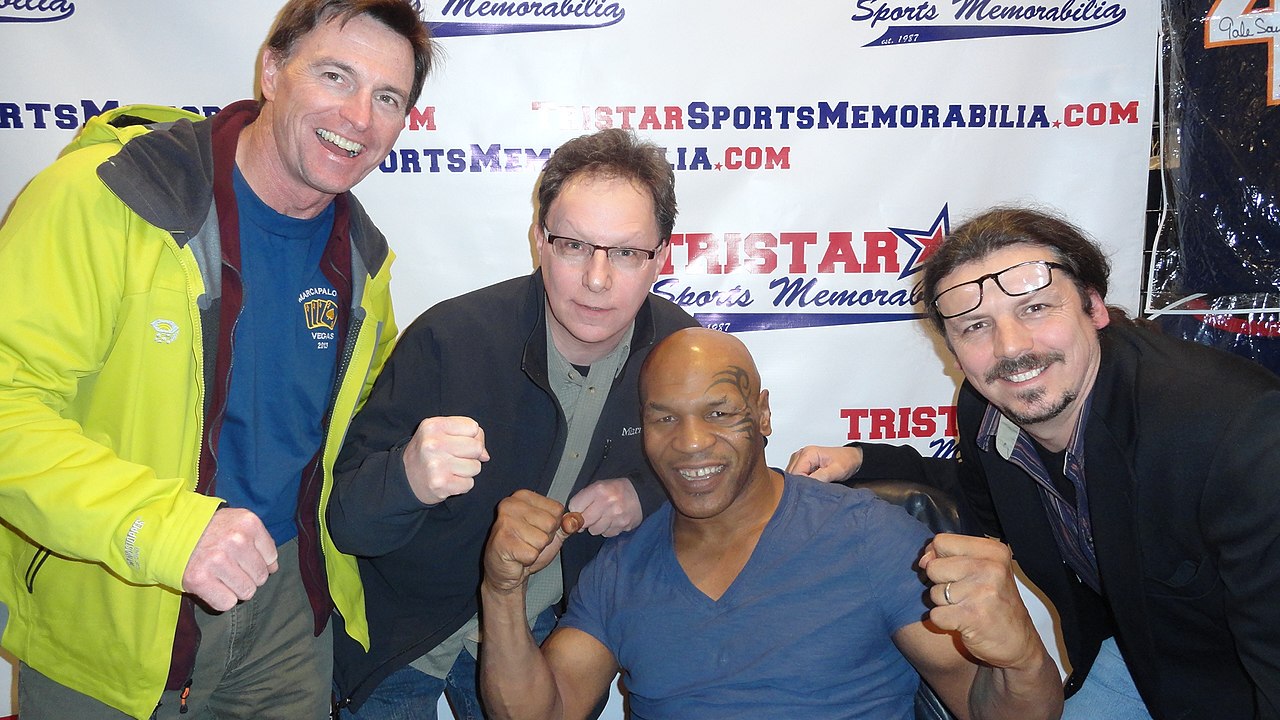


Boxing career and achievements
Tyson captured the WBC heavyweight title in 1986 and consolidated the major belts to become the undisputed heavyweight champion by 1988. During his early run he compiled a long streak of knockouts that made him one of boxing’s most feared fighters. Highlights of his ring record include victories over established names of the era and a series of title defenses that reinforced his standing at the top of the sport.
- Major title win: defeated Trevor Berbick to claim his first heavyweight title.
- Undisputed status: defeated champions and top contenders, including Michael Spinks (Michael Spinks), to unify belts.
- Comebacks and losses: lost the title in an upset to Buster Douglas, later returned to win additional belts, and faced top rivals such as Evander Holyfield (Evander Holyfield) and Lennox Lewis (Lennox Lewis).
Fighting style and legacy
Tyson’s style combined compact footwork, explosive punching, and relentless pressure. He frequently used a peek-a-boo defensive stance taught by his trainer to close distance quickly and unleash short, powerful hooks and uppercuts. For many observers he redefined early-career dominance in the heavyweight division and left a lasting influence on how power and aggression can be paired with technical skill in modern boxing.
Legal issues and controversies
Tyson’s life outside the ring included significant controversy. In 1992 he was convicted of rape and served time in prison; this conviction and sentence are central to discussions of his legacy (legal case). After his release he resumed his boxing career but was involved in further notable incidents, most famously the 1997 match in which he bit parts of Evander Holyfield’s ear, an act that led to disqualification and widespread condemnation.
Cultural presence and other activities
Beyond boxing, Tyson has appeared in films and television, taken part in professional wrestling events—including an appearance as a referee at WrestleMania and a later on-screen betrayal of partner Chris Jericho (Chris Jericho)—and been inducted into the WWE Hall of Fame (WWE Hall of Fame) as well as boxing halls of fame. A popular video game from the 1980s and 1990s bore his name in some editions, reflecting his crossover appeal. He has also spoken publicly about personal changes and beliefs; reports indicate he adopted a Muslim name at one point, though accounts of the name vary.
Notable facts and distinctions
Tyson’s career is often summarized by contrasts: an unprecedented early rise and youthful dominance, followed by shocking defeats and legal consequences, later comebacks, and an enduring role in media and culture. He remains a subject of study for sports historians and fans interested in the dynamics of talent, fame, and personal struggle in professional athletics.
For further reading on individual fights, career timelines, and cultural appearances, consult biographies and compilations that trace both his sporting record and post-boxing activities.
Related articles
Author
AlegsaOnline.com Mike Tyson: Life, boxing career, controversies, and cultural impact Leandro Alegsa
URL: https://en.alegsaonline.com/art/64860
Sources
- imdb.com : imdb.com
- news.yahoo.com : "Police: Mike Tyson detained at Los Angeles airport"
- celebheightweight.com : "Mike Tyson Height, Weight, Age, Measurements, Net Worth"