
Mikhail Glinka: founder of Russian national music (1804–1857)
Biography and significance of Mikhail Glinka, the 19th‑century Russian composer who blended Western forms with Russian folk elements and established a national school of classical music.
Overview
Mikhail Ivanovich Glinka (1804–1857) is widely regarded as the first Russian composer whose works established a distinct national voice in Western classical forms. Composing in the first half of the 19th century, he drew on native folk song, liturgical chant and contemporary European practice to produce operas, orchestral pieces, songs and piano music that pointed the way for later generations of Russian composers.
Image gallery
9 Images


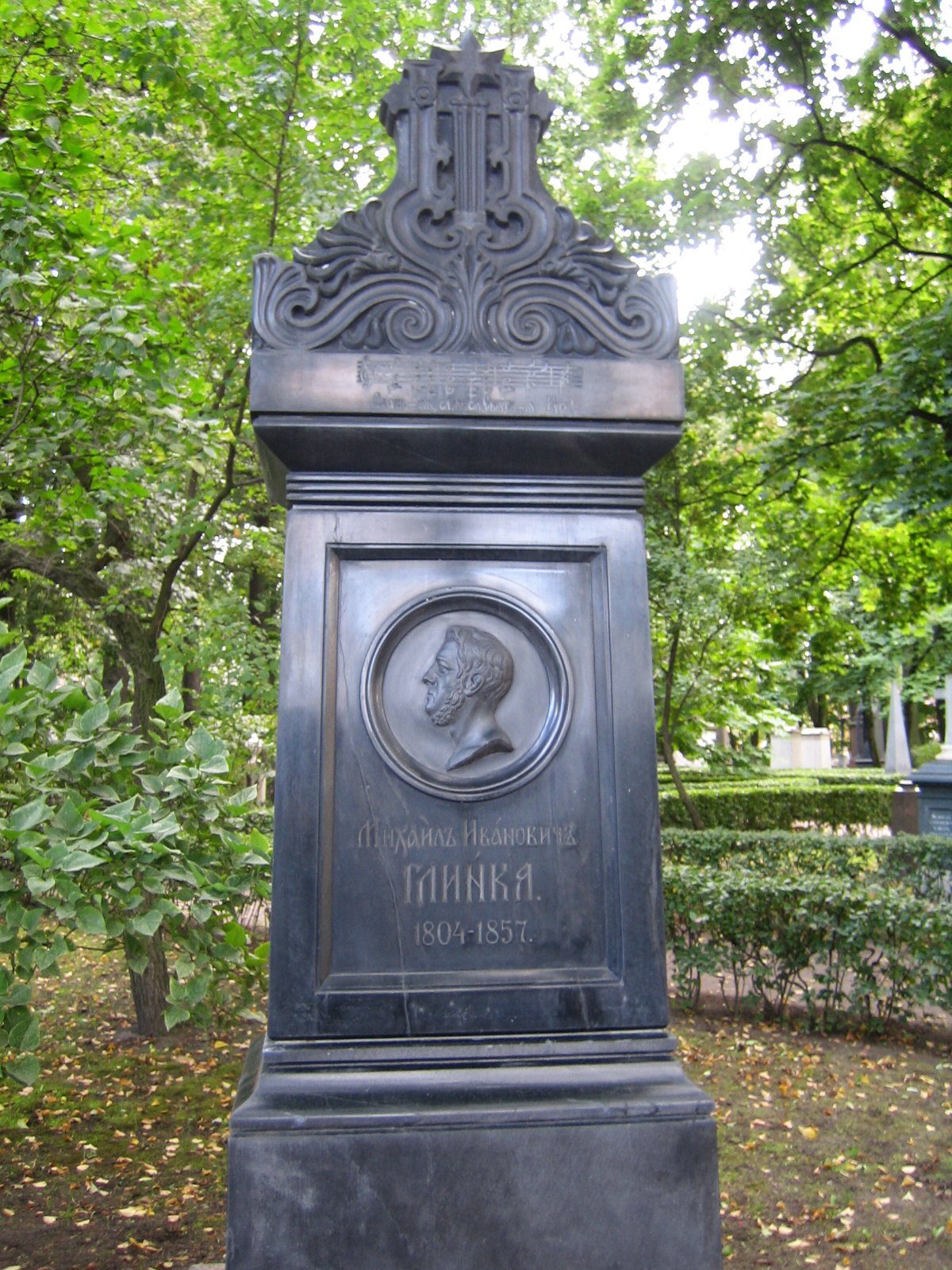


Early life and musical formation
Born into a landed family in the Russian empire, Glinka spent his childhood in a provincial setting where the sounds of village singers and church music were a constant influence. His introduction to European art music came more gradually: visits to relatives, private lessons and the cultural life of Saint Petersburg exposed him to the classical repertoire and to musicians trained in Western styles. As a young man he travelled in Europe, including Italy, where he studied opera and encountered the music and operatic traditions of the day; these experiences convinced him that he could employ European forms while shaping a characteristically Russian musical language.
Major works and genres
Glinka wrote in several genres. He is best known for two large operas that set public and artistic standards in Russia. The first, often known by its patriotic title A Life for the Tsar (sometimes referred to by its original subject, Ivan Susanin), became a national success and was celebrated at its first performances. His second major opera, Ruslan and Lyudmila, draws on Russian folklore and the poetry of Alexander Pushkin to create a fantastical, colorfully scored drama; its overture remains popular in concert repertory.
Beyond the stage, Glinka produced shorter works that were important in the development of orchestral and chamber writing in Russia. The orchestral piece Kamarinskaya (based on a folk dance tune) is often cited for its innovative treatment of folk material inside a symphonic texture. He also composed art songs, piano miniatures and chamber pieces that reflected both salon tastes and a growing interest in national sources.
Style and contribution
Glinka's music is characterized by a synthesis of Western compositional technique with melodies, rhythms and modal inflections drawn from Russian folk and liturgical traditions. Rather than simply quoting folk tunes, he adapted their melodic contours and harmonic color to larger forms. This approach influenced the later generation of nationalist composers—often called the "Mighty Handful"—and helped validate the idea that Russian music could stand beside the great European traditions while retaining a distinctive identity.
Reception, legacy and distinctions
During his lifetime Glinka achieved widespread recognition in Russia and had a growing reputation abroad. His operas were performed at the imperial theatres and his orchestral works entered concert programs. After his death in 1857, composers, critics and institutions continued to treat him as a founding figure: his methods of incorporating folk material informed subsequent pedagogical and creative practices. Notable distinctions between his works include the patriotic, narrative thrust of A Life for the Tsar and the imaginative, sometimes exotic coloring of Ruslan and Lyudmila, a contrast that illustrates his range as a composer.
Notable facts and further resources
Glinka's health and private circumstances affected his career at times, yet his artistic achievements secured an enduring place in Russian musical history. He is frequently described as the father of Russian classical music because of his role in demonstrating how national materials could inform large-scale Western forms without losing expressive power.
- Reference on Glinka's life
- General biography and works
- Historical context of 18th–19th century music
- European musical traditions relevant to Glinka
- Saint Petersburg as a musical center
- Notes on period domestic life and health
- Communication and media in the 19th century
- History of musical recording and reproduction
- Folk harmony and vocal traditions
- Influence of classical composers on young musicians
- Musical life and teachers in St Petersburg
- Chronology of Glinka's travels
- Italian musical culture and opera
- The tradition of Italian opera
- Composers Glinka encountered in Europe
- Historical settings used in Glinka's operas
- Monarchy and patronage in 19th‑century Russia
- Performance history of early Russian operas
- Famous overtures and orchestral introductions
- Glinka's piano and chamber music
- Chamber genres and song repertoire
For readers seeking scores, recordings or scholarly discussion, consult library catalogs and modern editions; many conservatory programs and orchestral concert notes also summarize Glinka's life and place in music history. The resources above provide starting points for deeper research into his works and influence.
Questions and answers
Q: What country was Mikhail Ivanovich Glinka from?
A: Mikhail Ivanovich Glinka was from Russia.
Q: What type of music did he compose?
A: Mikhail Ivanovich Glinka composed piano music, songs, chamber music and operas.
Q: How did people in Russia experience European music before Glinka's time?
A: Before Glinka's time, most people in Russia had not heard European music due to the lack of modern transport and many people living in poverty.
Q: Where was Glinka born?
A: Glinka was born in a small village called Novospasskoye.
Q: Who influenced his musical style?
A: He was influenced by composers like Haydn, Mozart and Beethoven as well as Italian composers like Donizetti and Bellini. Later composers such as Tchaikovsky were also influenced by his work.
Q: What is the story behind one of his most famous operas?
A: One of his most famous operas is called "Ivan Susanin" (also known as "A Life for the Tsar"), which tells the story of a poor peasant who dies to save the life of the Tsar during 1612.
Q: How did he make sure that his compositions sounded very Russian?
A: To ensure that his compositions sounded very Russian, he traveled to Italy where he met famous composers and experienced their musical styles before returning back to Russia to write two great operas with stories based on tales from Russian poets such as Pushkin.
Related articles
Author
AlegsaOnline.com Mikhail Glinka: founder of Russian national music (1804–1857) Leandro Alegsa
URL: https://en.alegsaonline.com/art/64867