
Mike Awesome (Michael Lee Alfonso): Wrestling career and legacy
American professional wrestler Michael Lee Alfonso, known as Mike Awesome, was a major figure in 1990s ECW who later worked in WCW and WWE; remembered for his unusual combination of size and aerial agility.
Michael Lee Alfonso (January 24, 1965 – February 17, 2007), better known by his ring name Mike Awesome, was an American professional wrestler who rose to prominence in the 1990s. He became one of the most visible performers in Extreme Championship Wrestling and later worked for World Championship Wrestling and the WWF/WWE. His career is noted for a powerful, physical style that also included surprising agility for a large athlete.
Image gallery
3 Images
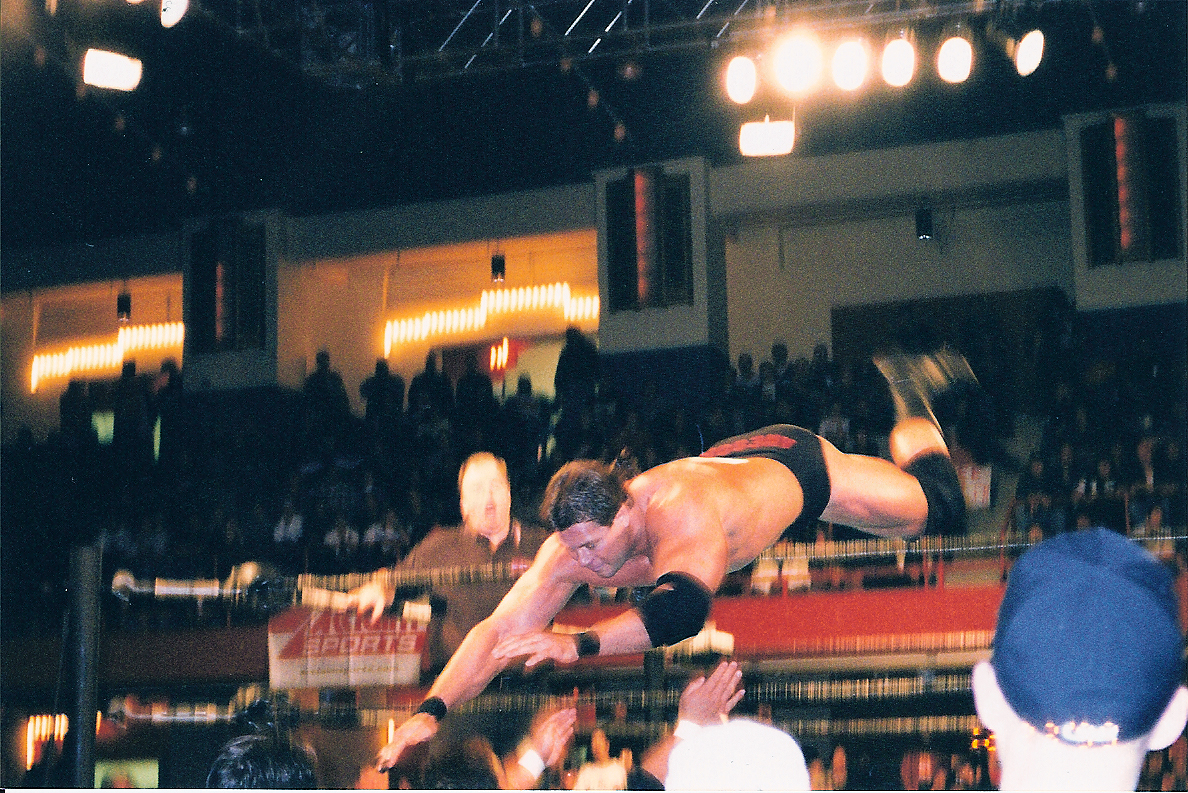

Style and ring persona
Mike Awesome built a reputation as a legitimately large, hard-hitting competitor who could also execute high‑risk moves from the top rope. Fans and commentators often remarked on the contrast between his strength-based offense and his willingness to perform aerial maneuvers, making him stand out among heavyweight wrestlers of his era. He used an intense, no‑nonsense persona in the ring and was presented as a dominant, hard-to-stop force.
Career highlights and movements
Awesome became most widely known during his run in Extreme Championship Wrestling, where he held the promotion's top title and engaged in prominent rivalries. In 2000 he left ECW for World Championship Wrestling, a move that drew attention because of his status in ECW at the time. He later appeared on the roster of the WWF/WWE and spent time on the independent circuit, competing across North America and internationally.
Notable distinctions
- Recognized as one of ECW's prominent heavyweights during the 1990s.
- Noted for combining power wrestling with top-rope maneuvers rarely seen from wrestlers of his size.
- Career included stints in the three major U.S. promotions of the era: ECW, WCW and WWF/WWE.
Colleagues and fans remember him for memorable matches that showcased both brutality and unexpected athleticism. His departure from ECW while a major player in that promotion is often discussed in histories of the period because it reflected the shifting dynamics of the wrestling business around 2000.
Death and legacy
Michael Alfonso died on February 17, 2007. His death prompted reflections on his in-ring contributions and on broader issues that affect performers. Today he is remembered for helping to redefine what a heavyweight could do in the ring and for a career that intersected with several of professional wrestling's most significant organizations.
Questions and answers
Q: Who was Mike Awesome?
A: Mike Awesome was an American professional wrestler.
Q: When was Mike Awesome born?
A: Mike Awesome was born on January 24, 1965.
Q: When did Mike Awesome pass away?
A: Mike Awesome passed away on February 17, 2007.
Q: With which wrestling organizations did Mike Awesome mainly wrestle with?
A: Mike Awesome mainly wrestled with Extreme Championship Wrestling, World Championship Wrestling, and the WWF/WWE.
Q: What was Mike Awesome's ring name?
A: Mike Awesome's ring name was Mike Awesome.
Q: Was Mike Awesome more popularly known for wrestling with one organization in particular?
A: No, Mike Awesome was best known for wrestling with all three organizations: Extreme Championship Wrestling, World Championship Wrestling, and the WWF/WWE.
Q: What was Mike Awesome famous for in the wrestling world?
A: Mike Awesome was famous for being a professional wrestler.
Related articles
Author
AlegsaOnline.com Mike Awesome (Michael Lee Alfonso): Wrestling career and legacy Leandro Alegsa
URL: https://en.alegsaonline.com/art/64828
Sources
- onlineworldofwrestling.com : "Mike Awesome Profile"
- slam.canoe.ca : "Mike Awesome found dead"