
Mike Agostini — Trinidadian sprinter and Commonwealth champion
Mike Agostini (1935–2016) was a Trinidadian sprinter who won the 100 yards at the 1954 Commonwealth Games and represented his country at the 1956 Olympics. He later lived in Sydney and died in 2016.
Michael George Raymond "Mike" Agostini (23 January 1935 – 12 May 2016) was a track and field sprinter from Port of Spain, Trinidad and Tobago. Competing in the 1950s, he became one of the early international sprinting figures from the Caribbean and is remembered for a landmark victory at the British Empire and Commonwealth Games.
Image gallery
2 Images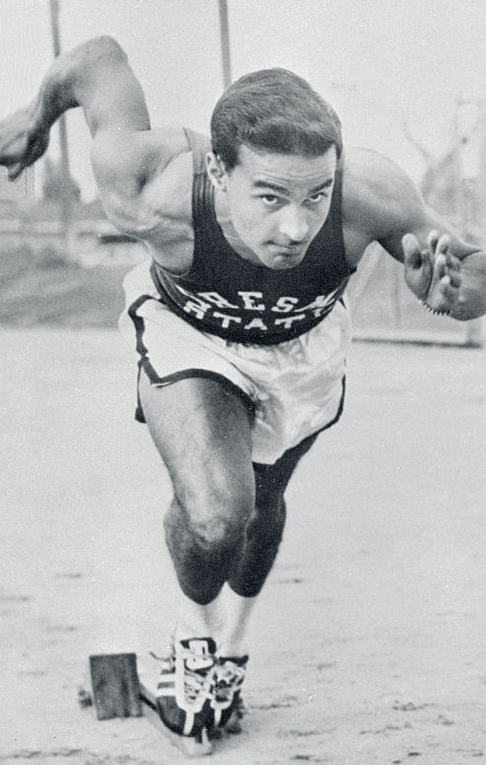

Major achievements
Agostini's best-known result came at the 1954 Commonwealth Games in Vancouver, where he won the 100 yards final on 31 July, becoming the first athlete from his country to secure a gold medal at those Games. He also represented Trinidad and Tobago at the 1956 Summer Olympics in Melbourne, an era when imperial sprint distances such as the 100 yards were still commonly contested alongside metric events.
- Gold medal, 100 yards — 1954 Commonwealth Games (Vancouver).
- Competitor for Trinidad and Tobago at the 1956 Summer Olympics.
- Recognised as an early Caribbean sprint pioneer whose successes helped raise the region's profile in international athletics.
Career and context
Agostini's international career took place during the 1950s, a decade when athletes from smaller nations were becoming more visible on the world stage. Sprinting in that period included distances measured in yards as well as metres, and victories at major multi-sport events like the Commonwealth Games were important milestones for national sporting identities. His win in Vancouver was widely reported at the time and celebrated at home as a breakthrough for Trinidad and Tobago athletics.
Later life and legacy
Later in life Agostini lived in Sydney, Australia, where he died on 12 May 2016. His death was attributed to pancreatic cancer. He is remembered in Trinidad and Tobago and by athletics historians as an influential early figure who helped pave the way for subsequent generations of Caribbean sprinters.
Notable aspects of his legacy include his role as a national sporting trailblazer, the historical significance of winning a Commonwealth gold for a small island nation, and his place in the narrative of mid-20th-century track and field when global competition and media attention were expanding for athletes outside traditional powerhouses.
Related articles
Author
AlegsaOnline.com Mike Agostini — Trinidadian sprinter and Commonwealth champion Leandro Alegsa
URL: https://en.alegsaonline.com/art/64827
Sources
- dailytelegraph.com.au : "Former champion sprinter Mike Agostini has died at the age of 81"