
London, Midland and Scottish Railway
The London, Midland and Scottish Railway (LMS) was a major British railway company from 1923 to 1948, formed by grouping many pre‑existing railways and later nationalised into British Railways.
Overview
The London, Midland and Scottish Railway (commonly abbreviated as LMS) was one of the so‑called "Big Four" railway companies created in Britain in 1923. It operated mainline passenger and freight services across England, Wales, and Scotland until the railways were nationalised in 1948. The company combined routes, workshops and staff from numerous pre‑grouping railways into a single large organisation that served urban centres, industrial districts and long‑distance corridors.
Image gallery
8 Images


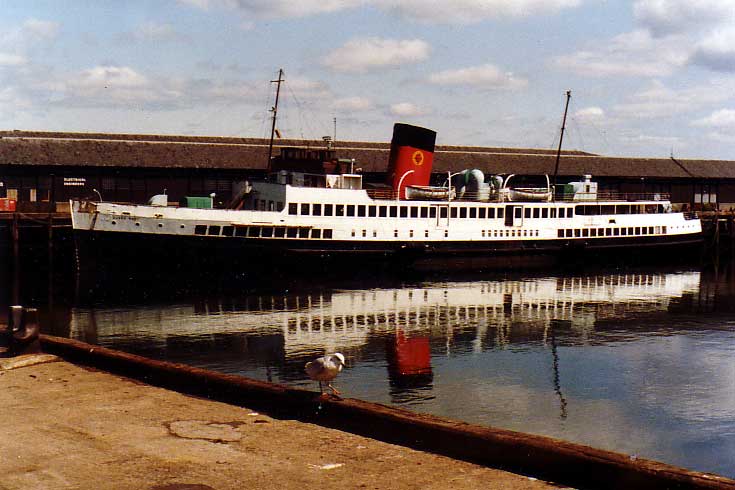
Formation and constituent companies
LMS was formed on 1 January 1923 under the Railways Act 1921, which grouped more than a hundred separate companies into four regional concerns. Major constituents included the London and North Western Railway, the Midland Railway, the Lancashire and Yorkshire Railway (which had already amalgamated with the LNWR in 1922), and a number of Scottish lines such as the Caledonian Railway. Smaller local and regional companies were also absorbed, creating a network that linked the industrial Midlands with London, the west coast, and the Scottish Lowlands.
Network, services and operations
The LMS inherited a diverse set of routes that included busy commuter corridors, long‑distance express links and heavy freight arteries serving coalfields and factories. Its geography brought together the West Coast Main Line remnants (connecting London to north‑west England and Scotland) and important midland routes. Services encompassed suburban trains, named expresses, parcels, mail and mineral trains. The company operated extensive station facilities, locomotive depots and workshops.
Engineering, rolling stock and liveries
Over its quarter century existence LMS oversaw a period of rationalisation and new design. Notable engineering leadership came with figures such as William Stanier, who introduced successful standard locomotive types that improved reliability and performance. Well‑known classes associated with LMS include the "Black Five" mixed‑traffic engines and the streamlined Coronation locomotives for high‑speed services. Rolling stock showed regional variation in livery and lettering, but the company identity "LMS" became widely recognised on locomotives and carriages.
Wartime role and nationalisation
During the Second World War the LMS, like other railway companies, played a crucial role in moving troops, equipment and essential materials. War demands intensified use of freight facilities and placed strain on rolling stock and personnel. After the war the government moved to nationalise the railways: under the Transport Act 1947 LMS was absorbed into the newly created British Railways on 1 January 1948, ending its independent corporate existence.
Legacy and notable facts
The LMS left a substantial legacy in Britain's railway heritage. Its routes and workshop practices influenced post‑war organisation, and many preserved steam locomotives and enthusiast records keep its memory alive. Today the name survives in other contexts: the modern train operating company London Midland shares aspects of the historic network and name (see London Midland). For those interested in railway history, LMS illustrates the scale and complexity of interwar railway consolidation and the engineering advances of that era.
- Major constituents: London and North Western Railway, Midland Railway, Lancashire and Yorkshire Railway, Caledonian and others.
- Notable locomotive types: Black Five mixed‑traffic engines, Coronation class express engines.
- Key dates: formed 1 January 1923; nationalised 1 January 1948.
Questions and answers
Q: What is the London, Midland and Scottish Railway?
A: The London, Midland and Scottish Railway (LMS) was a British railway company operating from 1923 to 1948.
Q: When was the LMS formed?
A: The LMS was formed on 1 January 1923.
Q: What led to the formation of LMS?
A: The Railways Act of 1921 mandated the grouping of over 120 separate railways into four, leading to the formation of LMS.
Q: Which railways were merged into LMS?
A: The LMS merged the London and North Western Railway, the Midland Railway, the Lancashire and Yorkshire Railway, several Scottish railway companies (including the Caledonian Railway), and numerous other, smaller ventures.
Q: When did the Lancashire and Yorkshire Railway merge with the London and North Western Railway?
A: The Lancashire and Yorkshire Railway merged with the London and North Western Railway on 1 January 1922.
Q: What is the London Midland?
A: London Midland is a modern company that is distinct from the historical London, Midland and Scottish Railway.
Q: What were the Big Four British railway companies?
A: The Big Four British railway companies were the London, Midland and Scottish Railway, the Great Western Railway, the Southern Railway, and the London and North Eastern Railway.
Related articles
Author
AlegsaOnline.com London, Midland and Scottish Railway Leandro Alegsa
URL: https://en.alegsaonline.com/art/59035