
Microhylidae — the narrow‑mouthed frog family
Microhylidae is a diverse family of small to medium frogs with 495 species in 68 genera and nine subfamilies, found across tropical regions and known for narrow mouths, varied life histories and specialised niches.
Overview — The Microhylidae are a large, globally distributed family of frogs often called narrow‑mouthed frogs. The family contains about 495 described species grouped into 68 genera and nine subfamilies. They are a major component of tropical amphibian diversity and show a remarkable range of forms and lifestyles. For a summary view, see the family entry Microhylidae.
Image gallery
10 Images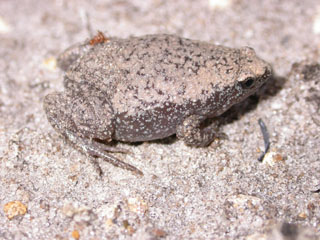


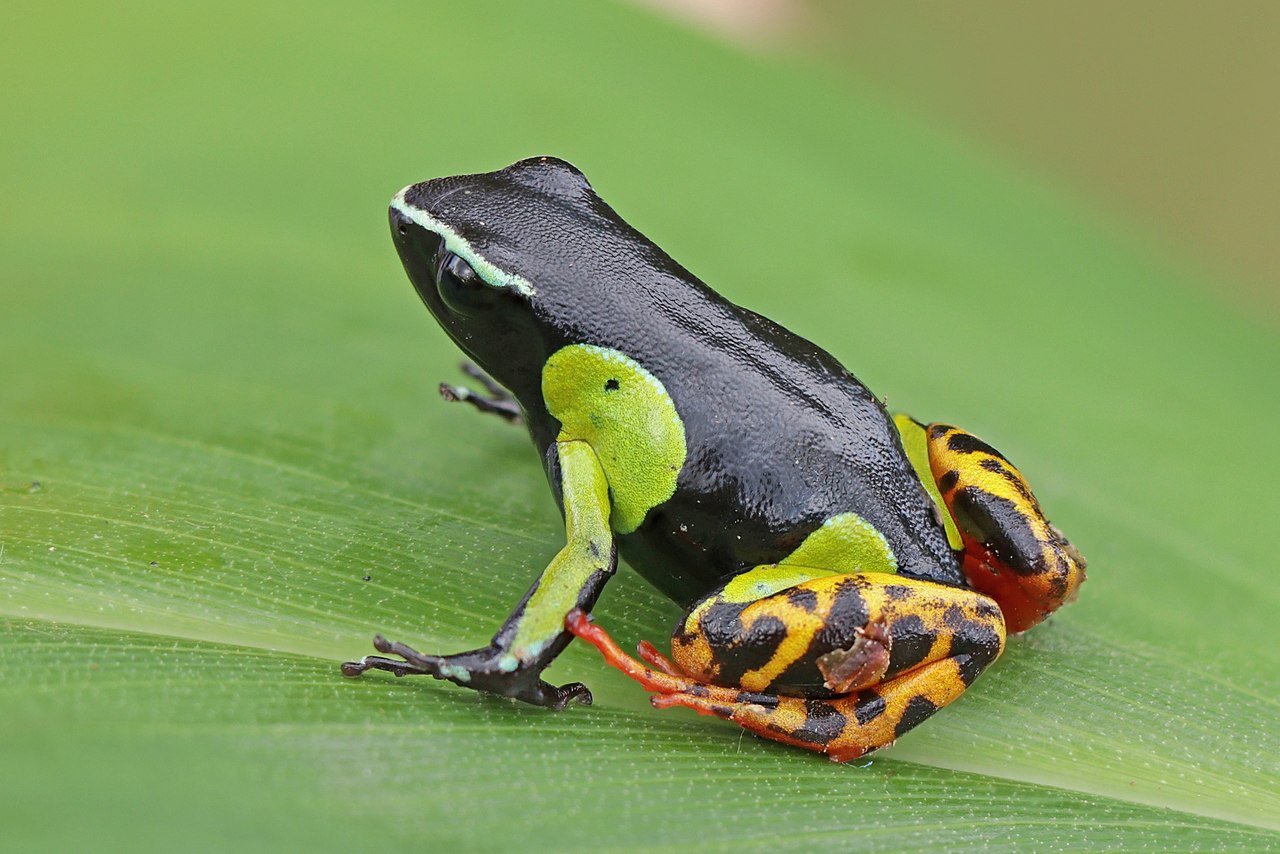

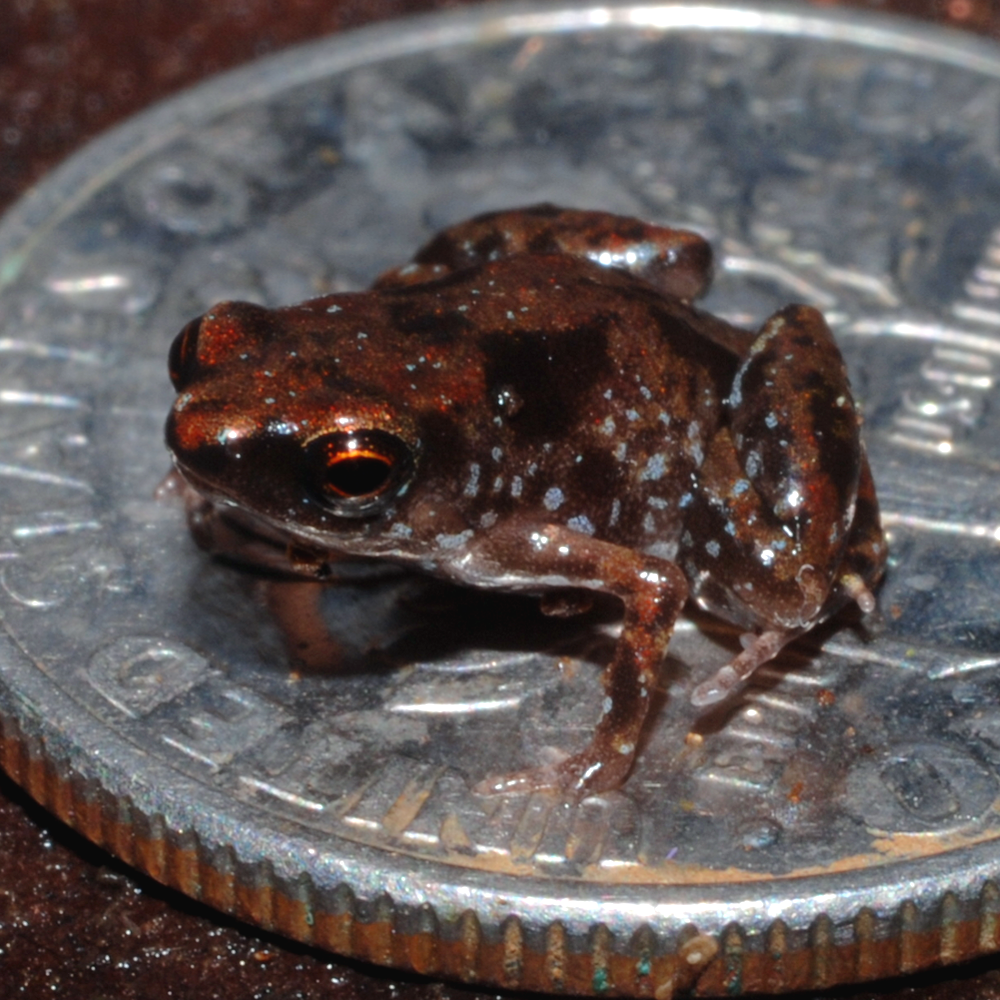


Characteristics and diversity
Most microhylids are small-bodied with short limbs and a characteristically narrow mouth, adaptations that suit diets of tiny invertebrates such as ants and termites. Size varies from minute species a few centimetres long to larger members reaching several centimetres. Skin texture, body shape and limb proportions differ widely: some are terrestrial and burrowing, others are arboreal or leaf‑litter specialists. Reproductive modes also vary, including aquatic tadpoles in some lineages and direct development (eggs hatch to small frogs) in others.
Distribution and evolution
Microhylids occur throughout tropical and subtropical regions: Central and South America, sub‑Saharan Africa, Madagascar, South and Southeast Asia, New Guinea and parts of Australia. Their global pattern suggests an ancient diversification linked to Gondwanan biogeography and later regional radiations. Well‑known genera include Microhyla, Kaloula and Dyscophus, and an annotated list of genera and subfamilies can be consulted via genera and subfamilies.
Behavior, diet and habitats
Many microhylids are specialists on small prey and show foraging strategies adapted to restricted mouths and tongues. Habitats range from rainforest canopy and leaf litter to savanna and seasonally dry areas. Some species are fossorial and spend long periods underground, emerging to breed during rains; others live in trees or among shrubbery, using sticky pads or suction discs where present.
Conservation and human interest
Conservation status across the family is mixed. A number of species have tiny, localized ranges and face threats from habitat loss, fragmentation, pollution, invasive species and emerging diseases such as chytridiomycosis. Because many microhylids are small and secretive, new species are still regularly discovered and taxonomic revisions continue. General information about frogs and amphibian conservation can be found at resources about frogs.
Notable facts
- Microhylidae contains more genera than any other frog family, reflecting its morphological and ecological diversity.
- Life histories vary widely: some build foam nests, others have aquatic tadpoles, and many tropical species bypass a free‑swimming tadpole stage entirely.
- Several species are of regional conservation concern and important indicators of ecosystem health.
Because of their diversity and often cryptic habits, microhylids are an active subject of research in systematics, biogeography and conservation biology.
Related articles
Author
AlegsaOnline.com Microhylidae — the narrow‑mouthed frog family Leandro Alegsa
URL: https://en.alegsaonline.com/art/64601