
Michael Foot: British Labour politician, journalist and party leader
Michael Foot (1913–2010) was a British Labour politician, journalist and author. Long-serving MP and party leader (1980–83), known for intellectualism, left-wing views, journalism and public speaking.
Overview
Michael Foot (23 July 1913 – 3 March 2010) was a prominent figure in 20th-century British politics, known both for a long parliamentary career and for his earlier work as a political journalist and author. He served in the House of Commons across two long spells (1945–1955 and 1960–1992), held key party offices including deputy leader, and led the Labour Party and the Opposition in the early 1980s. Foot combined intellectual interests with a reputation for eloquent public speaking and a campaigning style rooted in the party's left wing.
Image gallery
5 Images



Early life and journalism
Born in Plymouth, Foot was educated at schools that prepared him for university and went on to read Philosophy, Politics and Economics at the University of Oxford. After university he pursued journalism and writing: over roughly two decades from the late 1930s to the early 1960s he made his name as a political journalist, contributing to debates about social policy, international affairs and the future of post‑war Britain. His journalism helped establish his public profile before and between his parliamentary terms.
Parliamentary career and leadership
Foot was elected to Parliament shortly after World War II and later returned after a brief absence, remaining an MP until the early 1990s. Within the Labour movement he became a leading figure on the party's left, and served as deputy leader from 1976 to 1980. In 1980 he succeeded to the party leadership and served as Leader of the Opposition until 1983. The period of his leadership was marked by intense debate over Labour's direction, policy platform and electoral strategy, culminating in a major general election that left the party with a reduced parliamentary presence.
Political views and notable positions
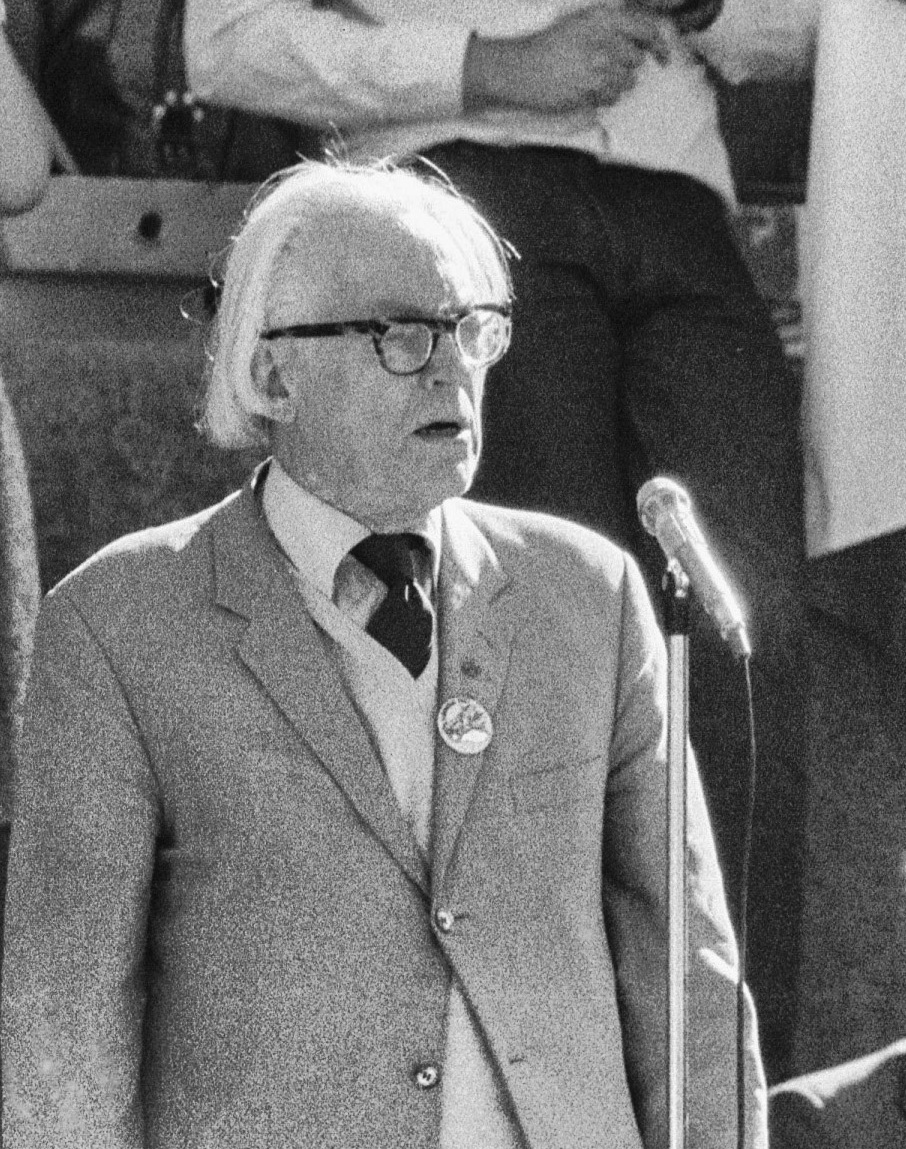
Foot was widely regarded as an intellectual on the left of the Labour Party. He advocated progressive social policies, supported strong trade union rights, and was associated with campaigns for nuclear disarmament and restraint in foreign interventions. These positions placed him at the heart of internal party discussions about strategy and ideology during a time of political polarization in Britain. He was also known for his oratory, a dry wit and a distinctive, sometimes professorial public manner.
Personal life and legacy
Outside public life Foot wrote books and articles on political and historical themes, sustaining a parallel career as an author even while serving in Parliament. He married writer and documentary maker Jill Craigie in 1949; she remained a companion and influence until her death. Foot described himself as an atheist and retained an active role in public debate after leaving frontline politics. He died at home in Hampstead, north London, in March 2010 at the age of 96.
Key facts and context
- Party: Labour Party.
- Parliamentary service: multiple terms between 1945 and 1992; served as Member of Parliament for several decades.
- Leadership roles: Deputy leader (1976–1980); Leader of the Opposition (1980–1983).
- Public profile: journalist, author and prominent left‑wing voice within Labour.
Foot's career is often cited in discussions about the Labour Party's ideological shifts in the late 20th century, the relationship between political principle and electoral appeal, and the role of public intellectuals within party politics. His life combined sustained public service, a literary and journalistic output, and a consistent engagement with the major political debates of his time.
Related articles
Author
AlegsaOnline.com Michael Foot: British Labour politician, journalist and party leader Leandro Alegsa
URL: https://en.alegsaonline.com/art/64449
Sources
- guardian.co.uk : Guardian obituary
- telegraph.co.uk : Telegraph obituary
- bbc.co.uk : Three memories of Michael Foot
- theguardian.com : "Former Labour leader Michael Foot dies"
- independent.co.uk : "Gordon Brown leads tributes to Michael Foot"
- theguardian.com : "Michael Foot obituary"