
Michael Harner and the Development of Core Shamanism
Anthropologist Michael Harner popularized 'Core Shamanism', founded the Foundation for Shamanic Studies, and wrote The Way of the Shaman, shaping contemporary neoshamanic practice and debate.
Overview
Michael James Harner (April 27, 1929 – February 3, 2018) was an American anthropologist and author who played a central role in bringing shamanic ideas into late 20th‑century Western spiritual practice. Through writing, teaching and an organization he founded, Harner promoted a cross‑cultural approach commonly called "Core Shamanism," presenting a set of techniques distilled from his field observations and adapted for personal development in a modern context. He was born in Washington, D.C. and remained a prominent figure in New Age and neoshamanic circles until his death in 2018.
Image gallery
1 Image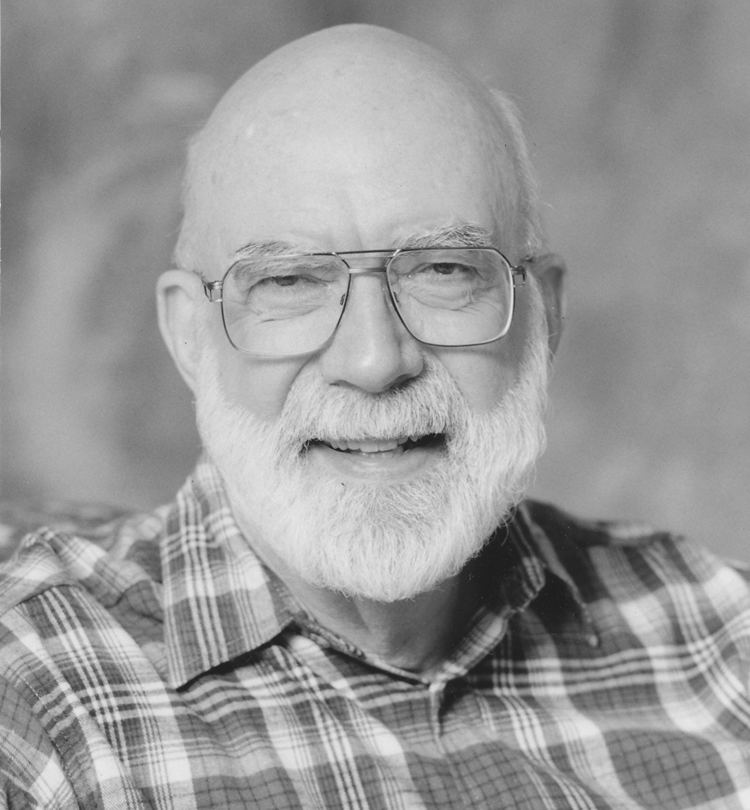
Background and development
Trained as an anthropologist, Harner carried out fieldwork among indigenous peoples of the Americas and examined a range of ritual and healing practices. Based on recurring patterns he identified across cultures, he proposed that certain methods—for example, altered states induced by rhythmic sound—serve comparable functions despite cultural differences. Harner synthesized those recurring elements into a practical system intended for Western students, aiming to make shamanic experience accessible without requiring immersion in a single traditional culture.
Core techniques and practice
Core Shamanism emphasizes a concise set of methods and roles that Harner argued are common to many shamanic traditions. These include:
- Shamanic journeying: entering rhythmic trance states to travel to non‑ordinary realities.
- Drumming and rhythm: use of steady beats to alter consciousness and mark transitions.
- Power animals and helping spirits: working with non‑ordinary allies for guidance or healing.
- Healing procedures: techniques such as soul or energy retrieval and extraction of harmful influences.
Foundation for Shamanic Studies and publications
Harner established the Foundation for Shamanic Studies to support training, research and publication. His best‑known book, The Way of the Shaman: A Guide to Power and Healing (first published in 1980), became a standard text for many Western practitioners and has been translated into several languages. Through workshops and written materials, the foundation promoted experiential learning and offered a structured path for those seeking to practice shamanic techniques.
Reception, criticism and legacy
Harner's work provoked mixed responses. Supporters credit him with reviving interest in shamanic consciousness and providing practical tools for healing and personal growth. Critics, including some anthropologists and indigenous advocates, argue that the approach decontextualizes and homogenizes diverse traditions, raising concerns about cultural appropriation and the loss of specific liturgical, ethical and social contexts. Debates around authenticity and respectful exchange continue to shape how Core Shamanism is taught and practiced.
Importance and contemporary relevance
Whether approached as a spiritual discipline, therapeutic technique or subject of academic inquiry, Harner's contributions remain influential. Core Shamanism functions as a bridge between ethnographic observation and popular spirituality, and the Foundation for Shamanic Studies continues to offer trainings and resources. Readers who want an introduction to Harner's ideas can consult his writings and follow organizations that discuss their application in modern wellbeing practices. For further information see resources linked from the Foundation and related discussions in contemporary anthropology and spiritual communities via this overview.
Related articles
Author
AlegsaOnline.com Michael Harner and the Development of Core Shamanism Leandro Alegsa
URL: https://en.alegsaonline.com/art/64455
Sources
- shamanism.org : In Memoriam: Michael J. Harner (1929-2018)