
Michael I of Romania
Last king of Romania who reigned 1927–1930 and 1940–1947, led Romania's 1944 switch to the Allies, was forced into exile by a Soviet-backed communist government, and died in 2017.
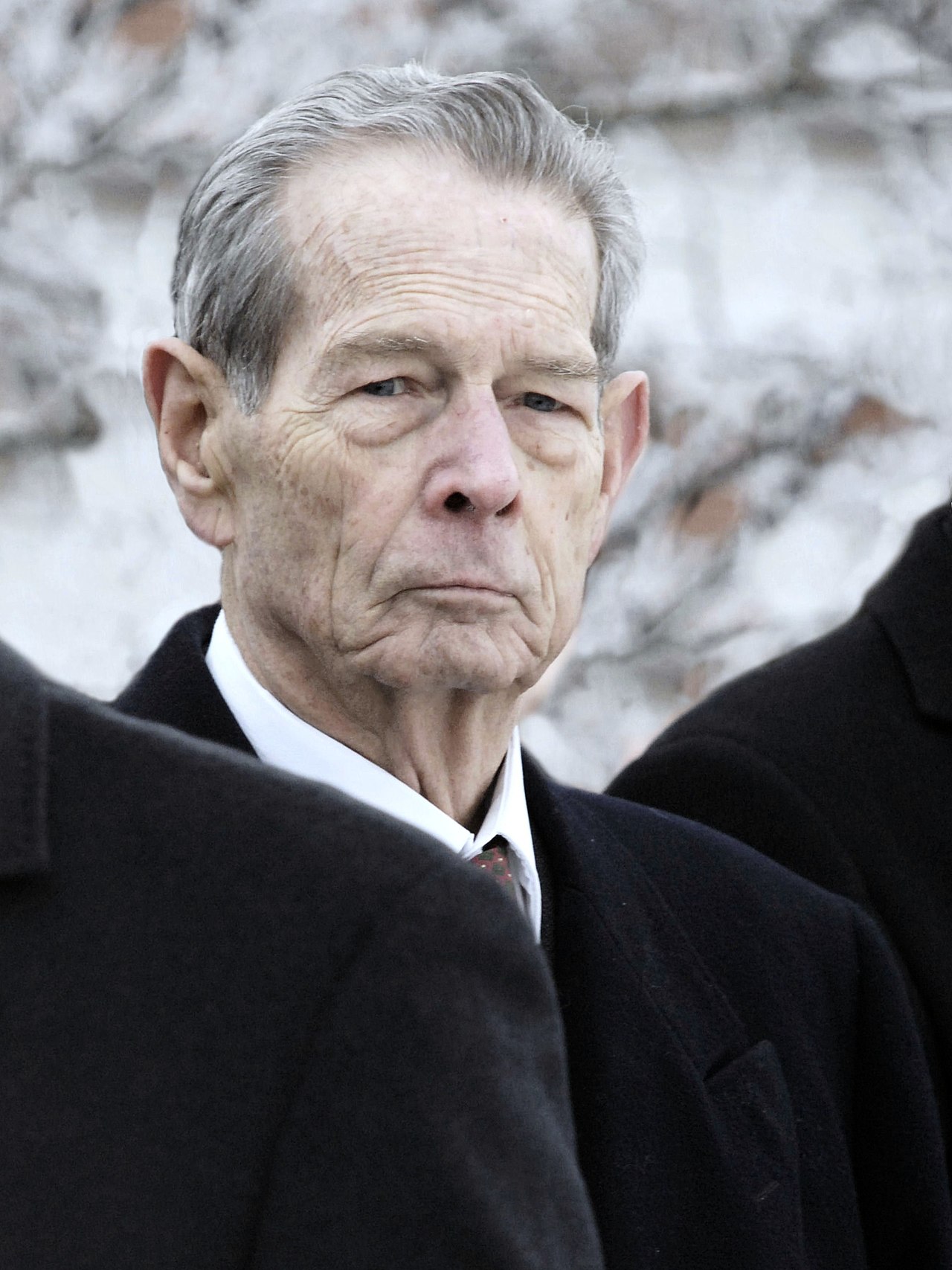
Michael I (25 October 1921 – 5 December 2017) was King of the Romanians in two separate periods, first as a child monarch and later during the turbulent years of World War II and its aftermath. He is remembered for his role in bringing Romania out of the Axis camp in 1944, for his forced abdication when a Soviet-backed communist regime took power, and for a long life in exile during which he maintained a public profile on behalf of the Romanian royal tradition. He was a descendant of European royal dynasties and one of the last surviving European heads of state who had reigned during the Second World War; contemporaries sometimes compared his longevity with figures such as Simeon II of Bulgaria.
Image gallery
10 Images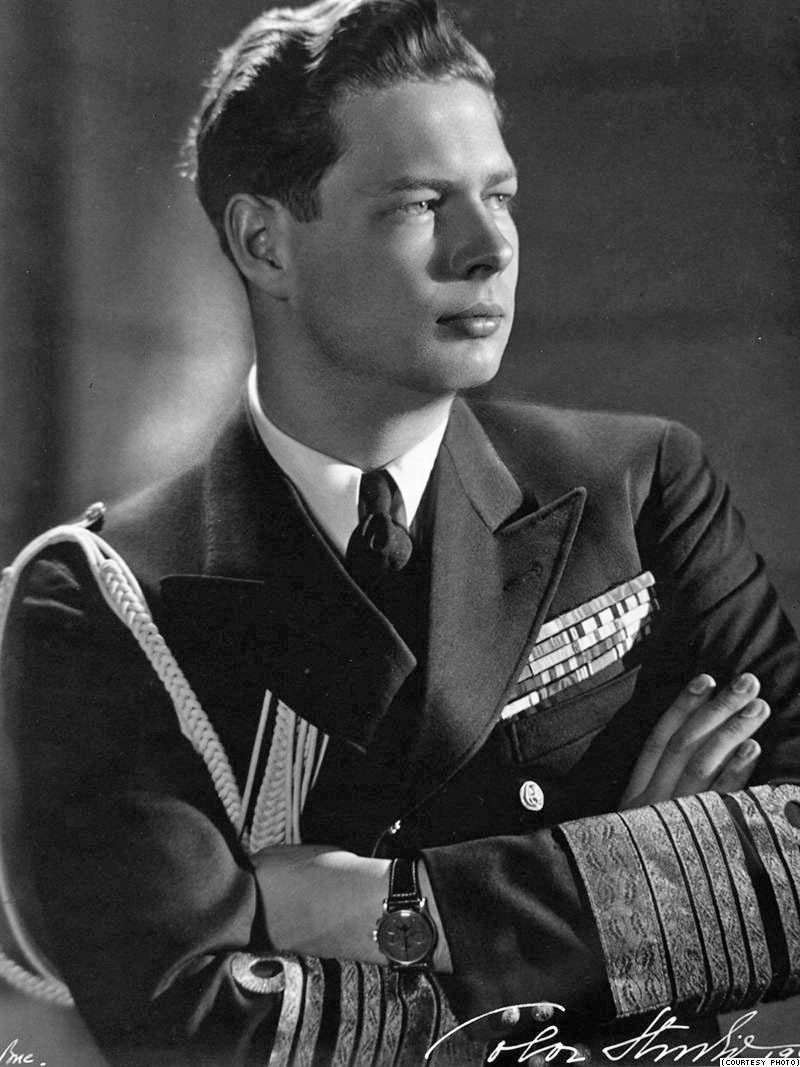
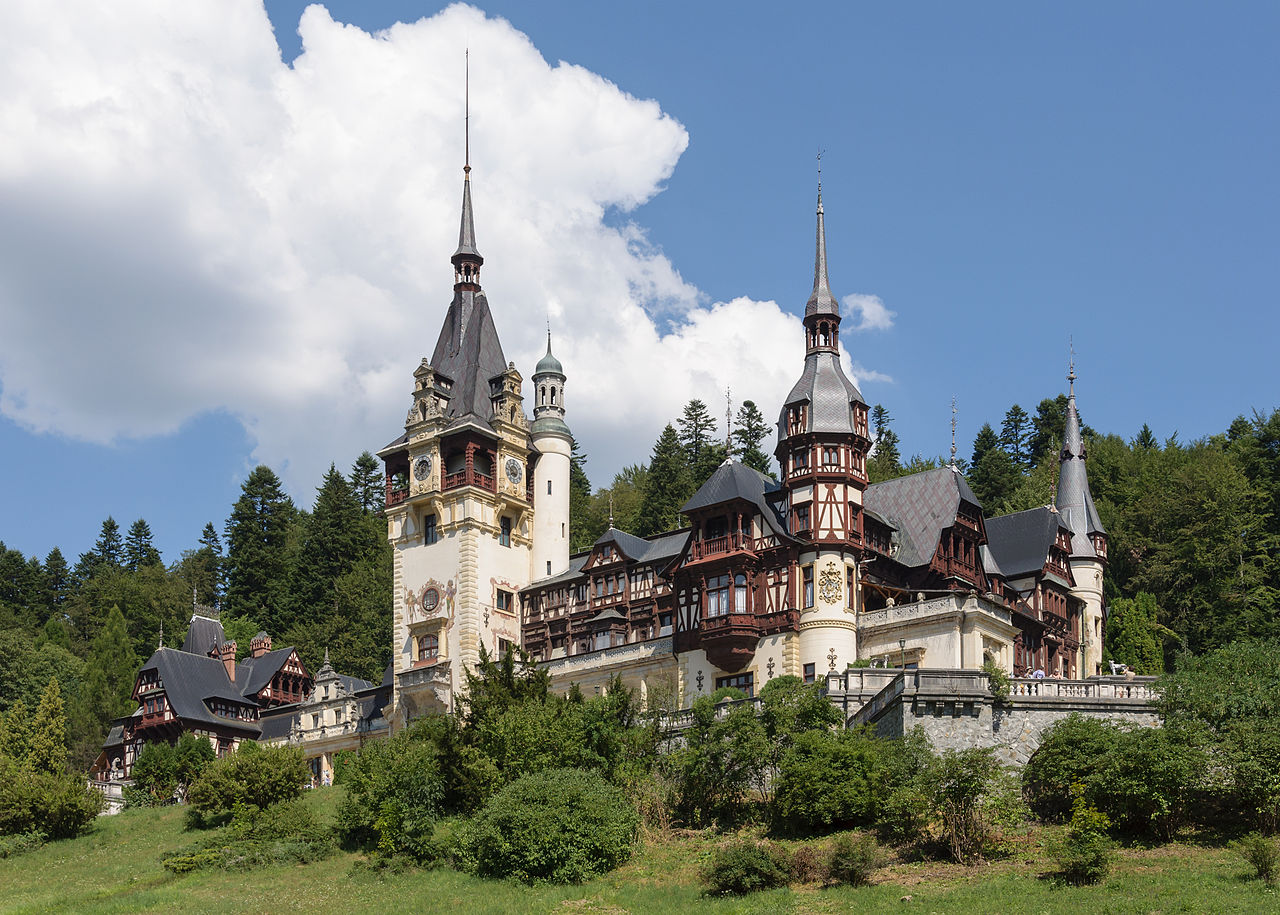


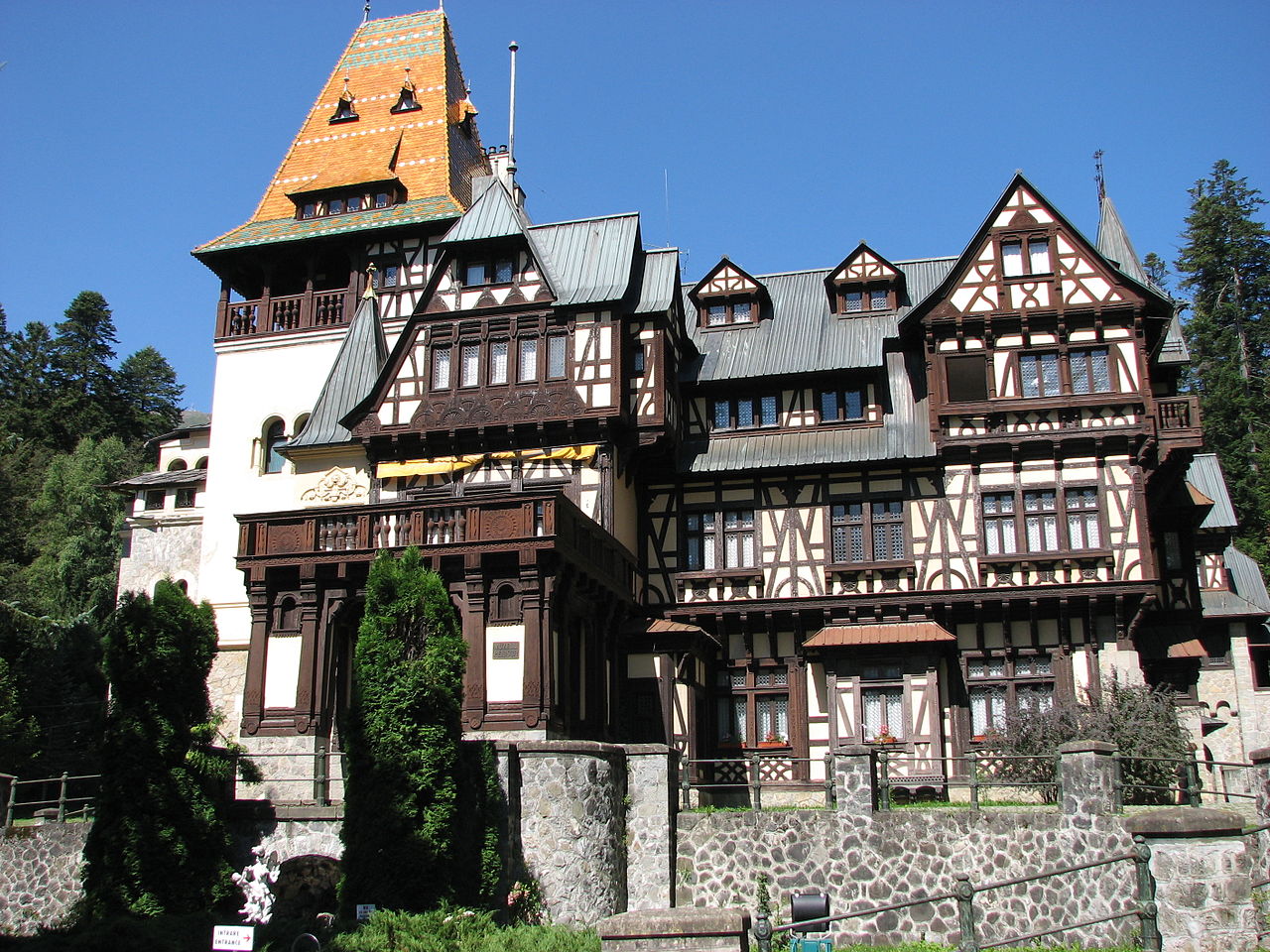


Early life and family
Born into Romania's royal family, Michael belonged to a network of interrelated European monarchies. He became king as a child after his grandfather's death and reigned under a regency until his father reassumed the throne. After his father left the throne, Michael returned as monarch in 1940 during a period of political crisis in Romania. His family connections included descent from Queen Victoria and kinship with other reigning houses, which shaped his upbringing and the ceremonial aspects of his reign.
Reign and World War II
Michael's second reign (1940–1947) coincided with World War II. During the war years he navigated a difficult position between pressures from Nazi Germany and the domestic politics of Romania. In August 1944 he supported a decisive change of government that removed the authoritarian leader allied with the Axis and led Romania to change sides to the Allied powers, a move that shortened the war on Romanian soil but exposed the country to occupation by the Soviet Union. The subsequent political settlement left Romania within the Soviet sphere of influence and enabled the rise of the Romanian Communist Party under Soviet oversight (Soviet occupation).
Abdication, exile and later life
Under pressure from the new communist-led authorities, Michael signed an abdication in late 1947 and went into exile. He spent decades abroad, primarily in Western Europe, pursuing private business, farming and maintaining contacts with Romanian expatriates and political figures. After the fall of Romania's communist regime in 1989 he gradually resumed public visits to his native country, engaged in cultural and charitable activities, and sought partial restitution of properties lost after the war. He married and had children; his descendants and personal circle continued to draw public interest in Romania and abroad.
Death and legacy
Michael died on 5 December 2017 in Switzerland of complications related to a long illness; contemporary reports mentioned leukemia among his health problems (leukemia). He passed away in Aubonne, a town where he had spent his final years in exile (Aubonne, Switzerland). News coverage of his death cited his age and the symbolic closure his passing represented for a generation shaped by monarchy, war and the Cold War era (reports of his death).
Notable facts and assessment
- Michael is remembered for the 1944 decision to remove Romania's wartime leadership and join the Allies, a turning point in the country's wartime experience.
- His abdication in 1947 exemplifies how Soviet influence altered the postwar political order in Eastern Europe.
- Although he spent most of his life outside Romania after 1947, Michael's later returns and public role after 1989 contributed to debates about monarchy, restitution and national memory in contemporary Romania.
For further reading and primary-source material, consult contemporary histories of Romania in World War II and the early Cold War, biographical studies of Michael I, and collections of diplomatic records relating to Eastern Europe during the 1940s. Online resources and archives may provide digitized documents and firsthand accounts for those researching the legal, political and social implications of his reign and exile.
Related articles
Author
AlegsaOnline.com Michael I of Romania Leandro Alegsa
URL: https://en.alegsaonline.com/art/64457