
Messerschmitt Me 163 Komet
German World War II rocket-powered interceptor designed by Alexander Lippisch, notable for extreme speed, short endurance, volatile propellants, and unique tailless design that made it the only operational rocket fighter.
The Messerschmitt Me 163 Komet was a German rocket-powered interceptor developed during the later stages of World War II. Designed by Alexander Lippisch and produced for the Luftwaffe, the Me 163 was the first — and remains the only — operational combat aircraft powered primarily by a rocket motor. Its development aimed to counter Allied heavy bomber formations by using very high climb rates and short bursts of speed.
Image gallery
10 Images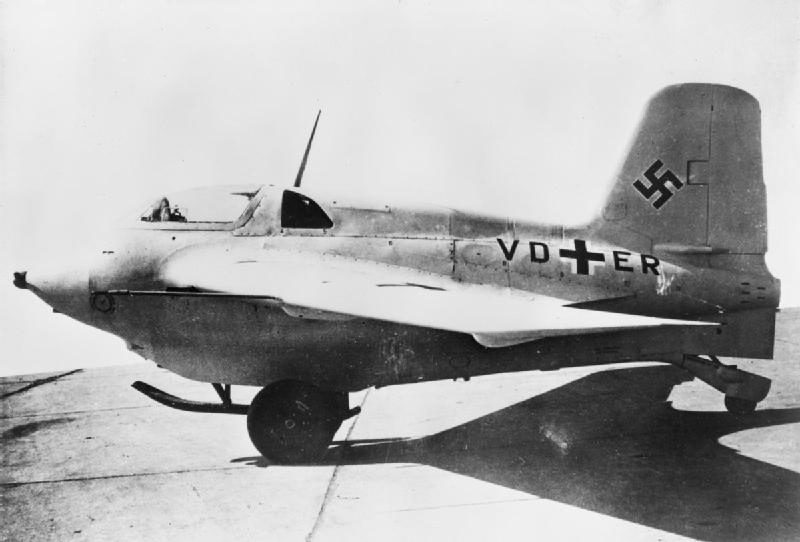


Design and characteristics
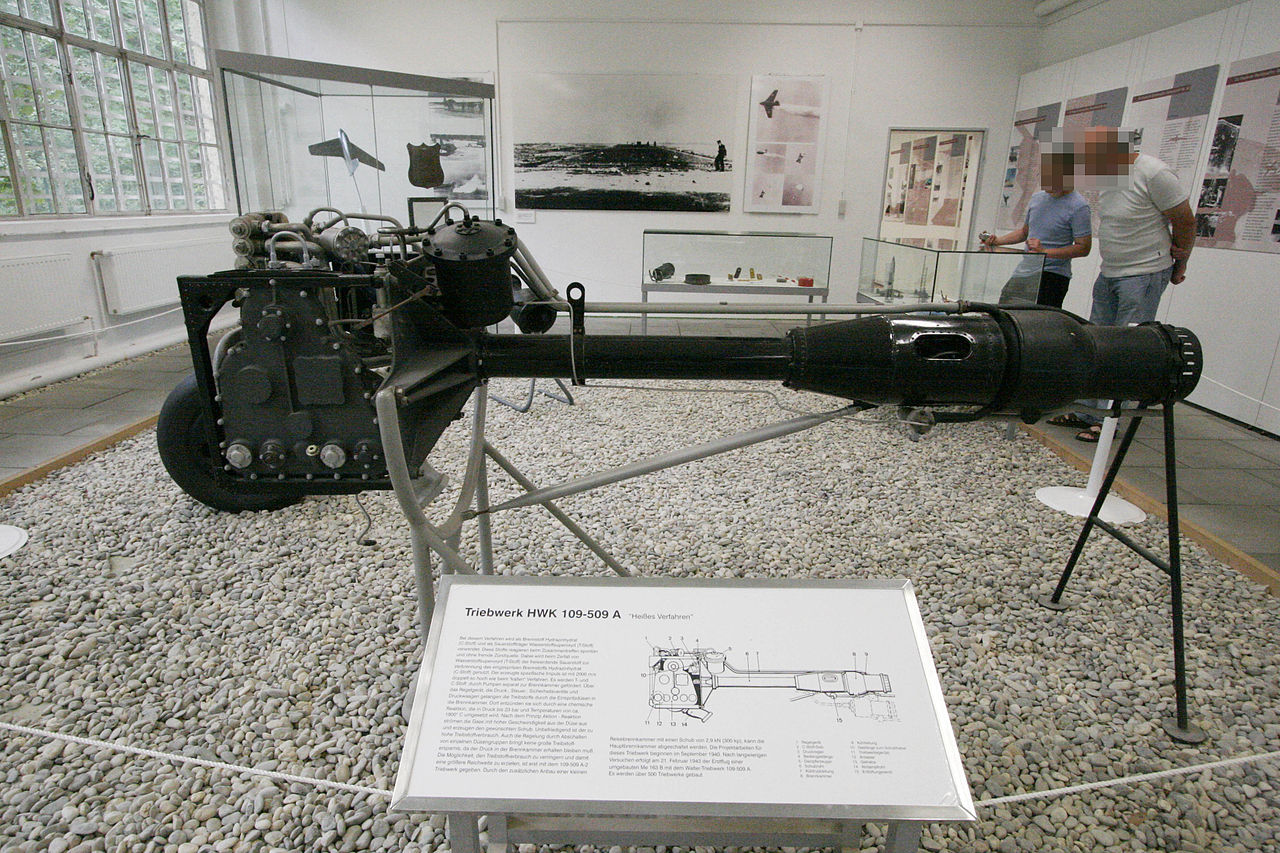
Unlike conventional fighters, the Komet was a tailless, swept-wing aircraft derived from glider research. Propulsion came from a rocket engine developed by Walter, which delivered high thrust for a brief period. The airframe was light: empty weight is often cited at around 4,200 pounds and loaded weight near 10,000 pounds. Reported top speeds approached transonic values for the era — often given as roughly 600 mph in combat dives — but powered flight lasted only a few minutes because of limited fuel capacity.
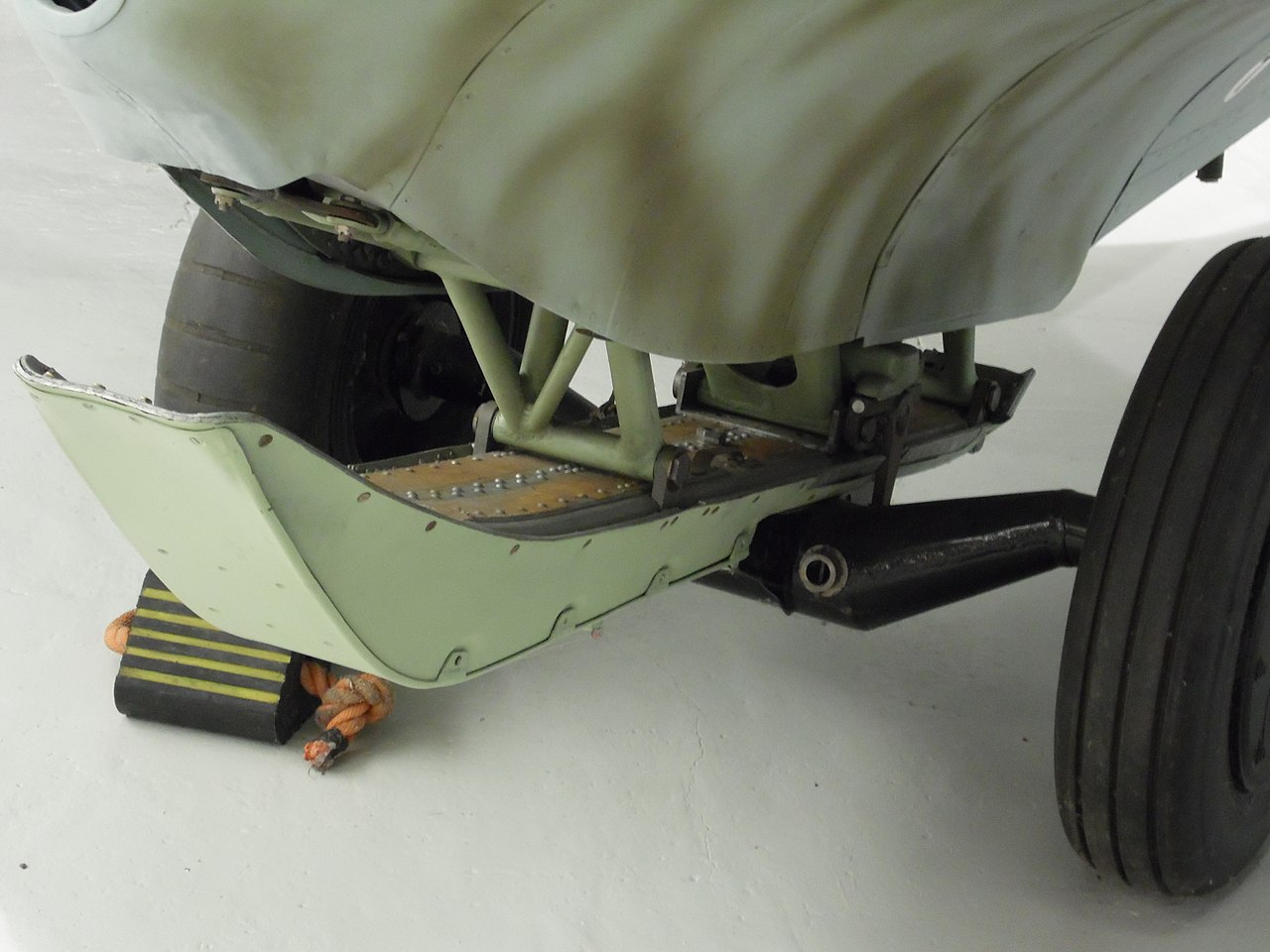
- Configuration: tailless, swept wings, skid landing gear for unpowered landings
- Propulsion: Walter rocket motor using hypergolic and highly reactive propellants
- Armament: typically two rapid-fire cannon mounted in the nose
- Performance trade-off: extreme climb and speed vs. very short endurance and high operational risk
Operational history
Introduced late in the war, the Me 163 was employed as an interceptor against Allied bomber raids, including encounters with heavy bombers such as the B-17. Units equipped with the Komet achieved a small number of confirmed and claimed bomber shootdowns, but overall results were limited by the aircraft's short powered time, the danger and difficulty of refuelling, and vulnerability while gliding back to land. Fuel handling was especially hazardous: the oxidizer and fuel were hypergolic and corrosive, and accidents including explosions and severe burns occurred during refuelling and maintenance.
Legacy and notable facts
The Me 163 is remembered as an experimental leap in interceptor design and rocket aviation. It demonstrated the possibilities and practical limits of rocket propulsion in manned fighters: outstanding rates of climb and brief high-speed interception capability, offset by operational complexity and risk. Several examples survive in museums and continue to attract attention for their unusual appearance and the dramatic operational story. For further technical context and broader history, see sources on rocket propulsion and 20th-century fighter development, and archival summaries of aircraft from Germany and the category of military aircraft.
Because of its singular place in aviation history, the Me 163 often appears in discussions of high-speed flight, early rocket engines, and the hazardous logistics of using volatile propellants in front‑line units. Records and post-war analyses offer varying assessments of its combat effectiveness; its principal importance lies in technological demonstration rather than decisive battlefield impact.
Author
AlegsaOnline.com Messerschmitt Me 163 Komet Leandro Alegsa
URL: https://en.alegsaonline.com/art/64110