
Asbestosis: chronic lung scarring from asbestos inhalation
Asbestosis is a chronic, progressive lung disease caused by inhaling asbestos fibers. This article covers causes, symptoms, diagnosis, history, prevention, distinctions from related conditions, and legal/regulatory issues.
Overview
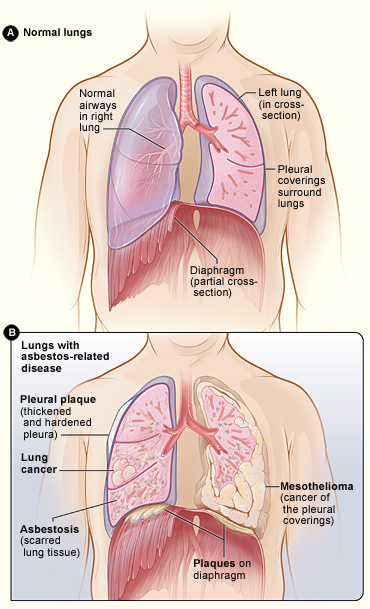
Asbestosis is a chronic interstitial lung condition caused by inhalation of asbestos fibers. It is classified as an occupational and environmental respiratory disease and primarily affects the lungs. Inhaled fibers provoke inflammation and scarring (fibrosis) of lung tissue, producing gradually worsening breathlessness and reduced exercise capacity. Although related to other asbestos-associated illnesses, asbestosis is distinct in being a diffuse fibrotic lung disease rather than a cancer.
Image gallery
10 Images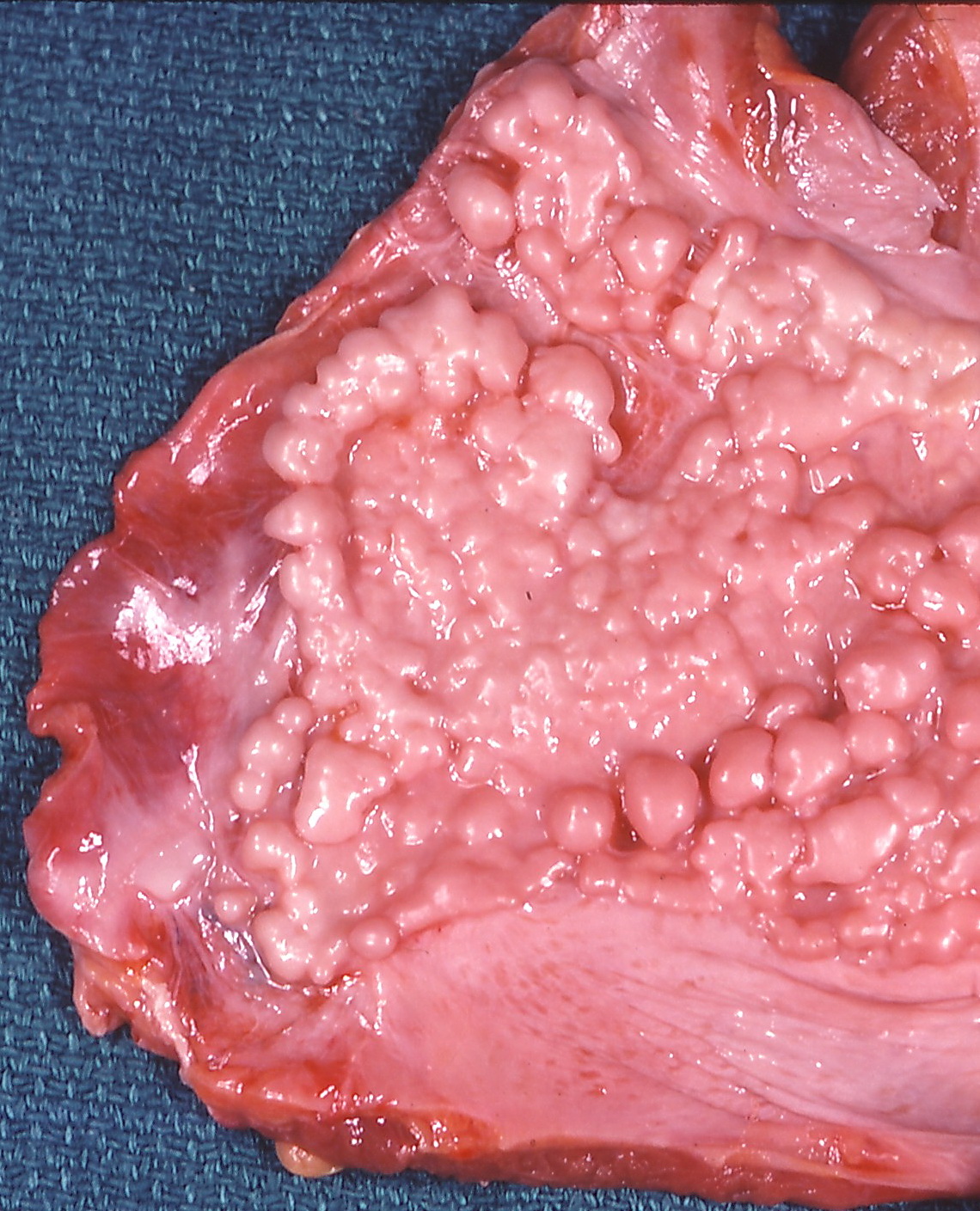


Characteristics and clinical features
Symptoms typically develop many years after exposure. Common findings and investigative features include:
- Progressive shortness of breath on exertion and a dry cough.
- Crackling sounds on chest auscultation and, in some cases, clubbing of the fingers.
- Imaging abnormalities: chest radiographs and especially high-resolution CT scans show interstitial fibrosis, often in lower lobes and subpleural regions.
- Pulmonary function tests demonstrating reduced lung volumes and impaired gas exchange.
Diagnosis and management
Diagnosis relies on a compatible exposure history, typical radiologic appearance, and exclusion of other causes of pulmonary fibrosis. Tissue biopsy is rarely required when imaging and history are clear. There is no cure that reverses established fibrosis; treatment focuses on symptom relief and slowing complications. Supportive care may include oxygen therapy, pulmonary rehabilitation, vaccinations, smoking cessation, and monitoring for complications such as respiratory failure or secondary infections.
History, regulation, and legal aspects
Commercial use of asbestos was widespread in the 19th and 20th centuries; recognition of health risks grew through industrial medicine and epidemiology in the mid-20th century. Many countries now restrict or ban certain asbestos uses and enforce workplace exposure limits. Because of the link between asbestos exposure and disease, lawsuits and compensation claims have been prominent; some specialists, including lawyers, focus on asbestos-related cases.
Distinctions and notable facts
Asbestosis should be distinguished from mesothelioma, a malignant tumor of the pleura or peritoneum, and from asbestos-related lung cancer and pleural plaques. Pleural plaques often indicate prior exposure but may be asymptomatic. Because of long latency and overlapping features, careful clinical and occupational history-taking is essential.
Questions and answers
Q: What is asbestosis?
A: Asbestosis is a lung disease that is caused by inhaling asbestos fibers.
Q: What is the difference between asbestosis and mesothelioma?
A: Asbestosis is a lung disease, while mesothelioma is a cancer of the lungs. Both are caused by inhaling asbestos fibers.
Q: What causes asbestosis?
A: Asbestosis is caused by inhaling fibers of asbestos.
Q: Are there any lawsuits related to asbestosis?
A: Yes, asbestosis has been the subject of many lawsuits.
Q: Do lawyers specialize in asbestosis and mesothelioma cases?
A: Yes, many lawyers specialize in asbestosis and mesothelioma cases.
Q: Can asbestosis be confused with mesothelioma?
A: Yes, asbestosis and mesothelioma can be confused with each other because they are both caused by inhaling asbestos fibers.
Q: Is asbestosis fatal?
A: Asbestosis is a serious lung disease, but it is not necessarily fatal. However, it can lead to other serious health problems.
Related articles
Author
AlegsaOnline.com Asbestosis: chronic lung scarring from asbestos inhalation Leandro Alegsa
URL: https://en.alegsaonline.com/art/6454