
Mercedes‑Benz Citaro (O530) — Low‑floor city bus
The Mercedes‑Benz Citaro (O530) is a family of low‑floor single‑decker city buses introduced in 1997 and used widely across Europe in diesel, CNG, hybrid and electric forms.
Overview
The Mercedes‑Benz Citaro, also known by its chassis designation O530, is a modular low‑floor single‑decker bus first introduced in 1997 for urban and suburban public transport. Designed by Mercedes‑Benz's bus division, it has become a common sight on city streets throughout Europe and beyond. Variants cover a range of lengths and capacities to suit different route demands. For technical summaries and specifications see the manufacturer's resources: manufacturer information.
Image gallery
10 Images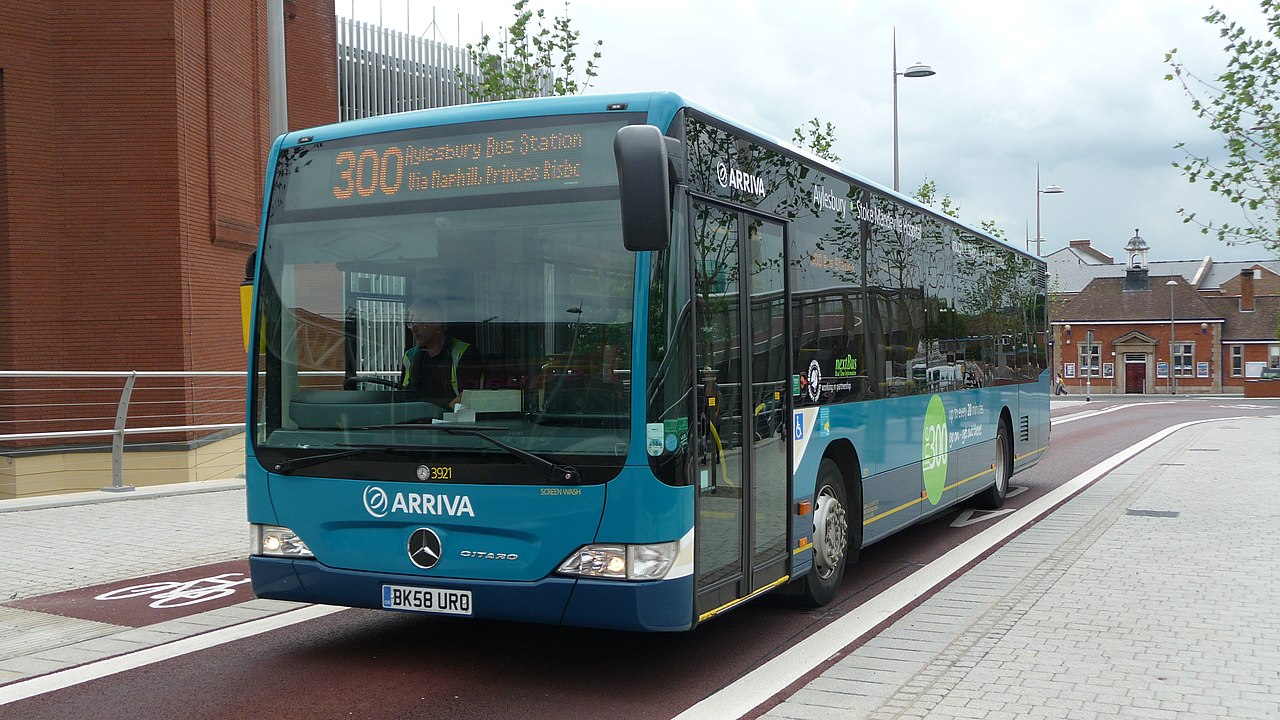


Design and variants
The Citaro family emphasizes accessibility and frequent‑stop operation. Typical features include a low passenger floor, multiple door configurations, kneeling suspension and built‑in wheelchair ramps. Over time the model line has included:
- Solo single‑unit standard buses in various lengths;
- Articulated (Citaro G) for higher capacity on busy corridors;
- Low‑entry and compact versions for constrained streets and mixed city/regional routes;
- Alternative‑fuel variants including CNG, hybrid and battery‑electric (eCitaro) versions.

Production and deployment
Production has taken place in several European plants, with assembly and final build work carried out in Germany, France and Spain to serve domestic and export markets. The Citaro is sold to municipal transit agencies, private operators and international fleets, and its adaptability has made it a long‑running product line. Regional galleries and operator case studies often feature the model in service: service examples.
Technical features and accessibility
Engineering priorities are passenger flow and maintainability. Typical technical characteristics include wide inward‑opening doors, low floor height through much of the passenger saloon, and a modular interior that permits different seating arrangements and equipment packs. Many Citaros are fitted with modern emission control systems; battery‑electric variants introduced in recent years aim to reduce urban emissions and noise.

History and development
Since its introduction in 1997 the Citaro has undergone several visual and technical updates, including mid‑life facelifts and the addition of new powertrains as emissions regulation and customer demand changed. A fully electric member of the family (commonly marketed as eCitaro) was announced as manufacturers and cities pursued cleaner public transport options. Photographs and fleet histories from different generations show both pre‑ and post‑facelift styling: fleet gallery.
Uses and notable facts
Operators value the Citaro for its operational flexibility: it can be specified for high‑capacity trunk routes, quieter low‑emission zones, or smaller feeder services. Articulated Citaros are often used where passenger volumes are greatest. The model has been adapted by many cities to local requirements, and it remains a recognizable example of modern European city bus design.

Further resources
For photos, technical documentation and operator reports consult official and enthusiast resources. Local transit agencies sometimes publish procurement details and deployment maps that reference the Citaro. See also: additional materials.

Related articles
Author
AlegsaOnline.com Mercedes‑Benz Citaro (O530) — Low‑floor city bus Leandro Alegsa
URL: https://en.alegsaonline.com/art/63874