
Mercedes-Benz O405
The Mercedes-Benz O405 is a single-decker transit bus series built 1980–2000. Developed to the VöV SL-II standard, it was produced in rigid, articulated and low‑floor forms and served fleets worldwide.
Overview
The Mercedes-Benz O405 is a family of single-decker transit buses manufactured by Mercedes-Benz between the 1980s and 2000. It was developed around the German VöV SL-II standard for city buses and became one of the last vehicles produced to that specification. The range covered conventional step‑entrance models and later low‑floor variants intended to improve accessibility.
Image gallery
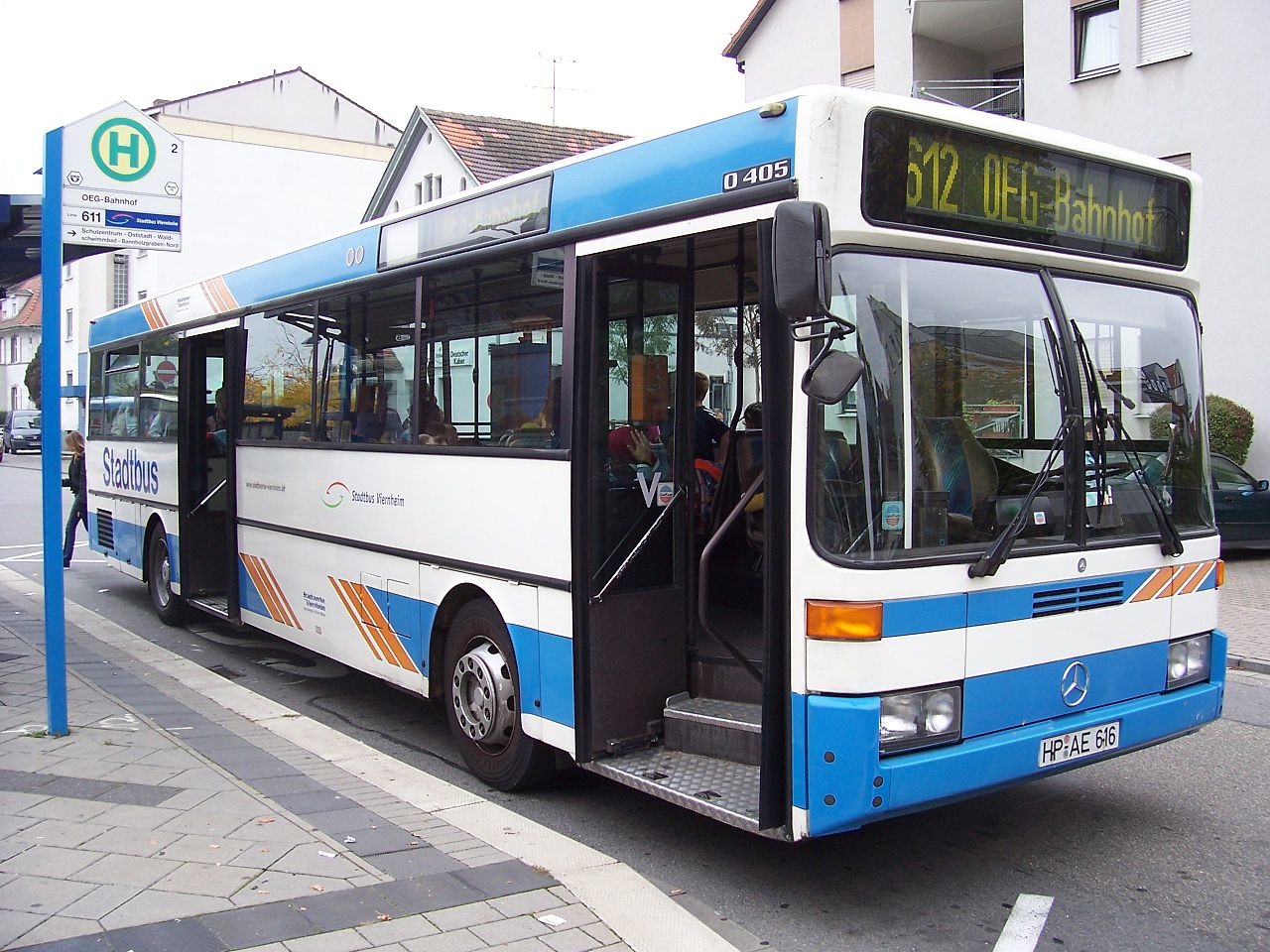
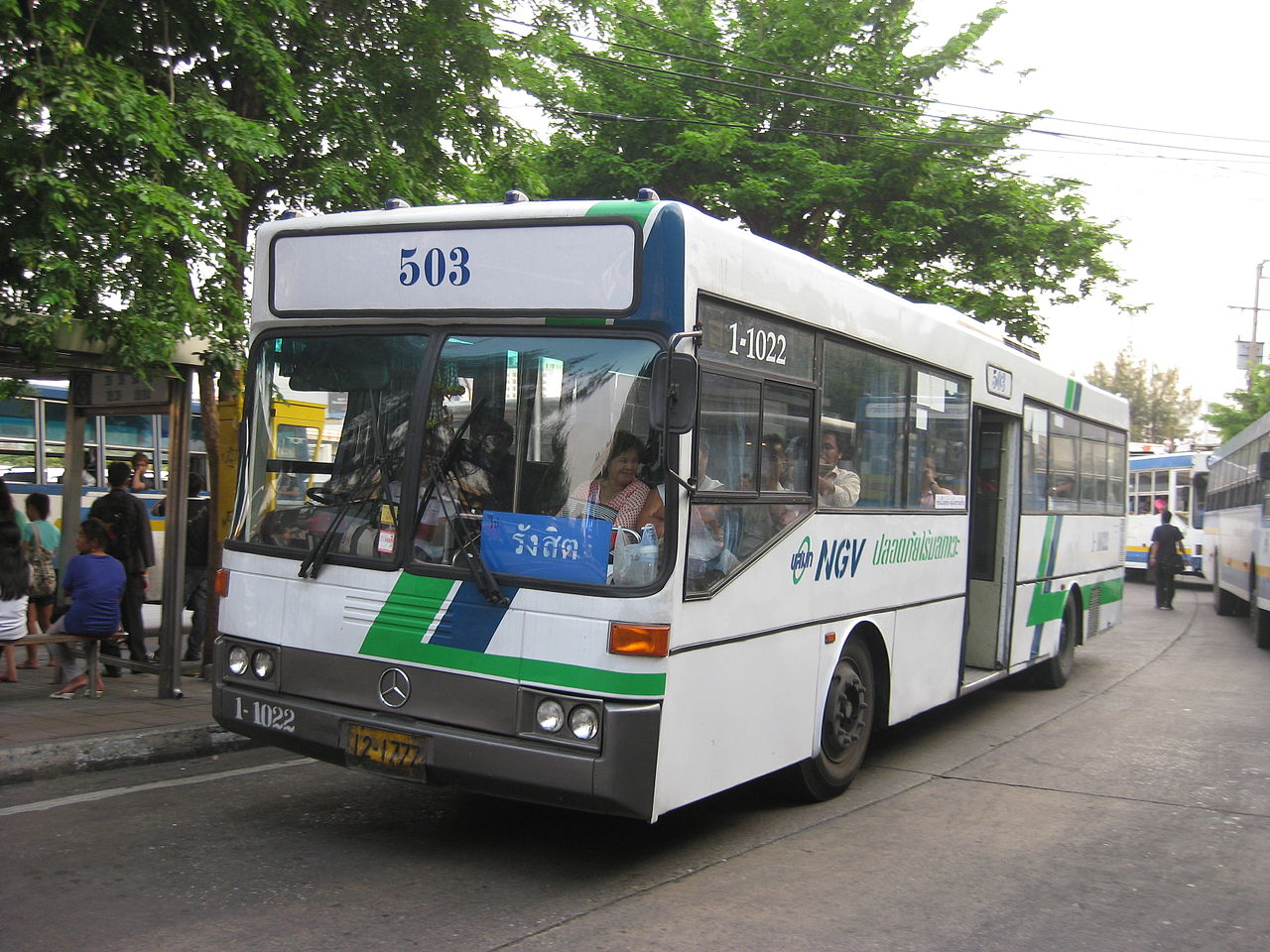
10 Images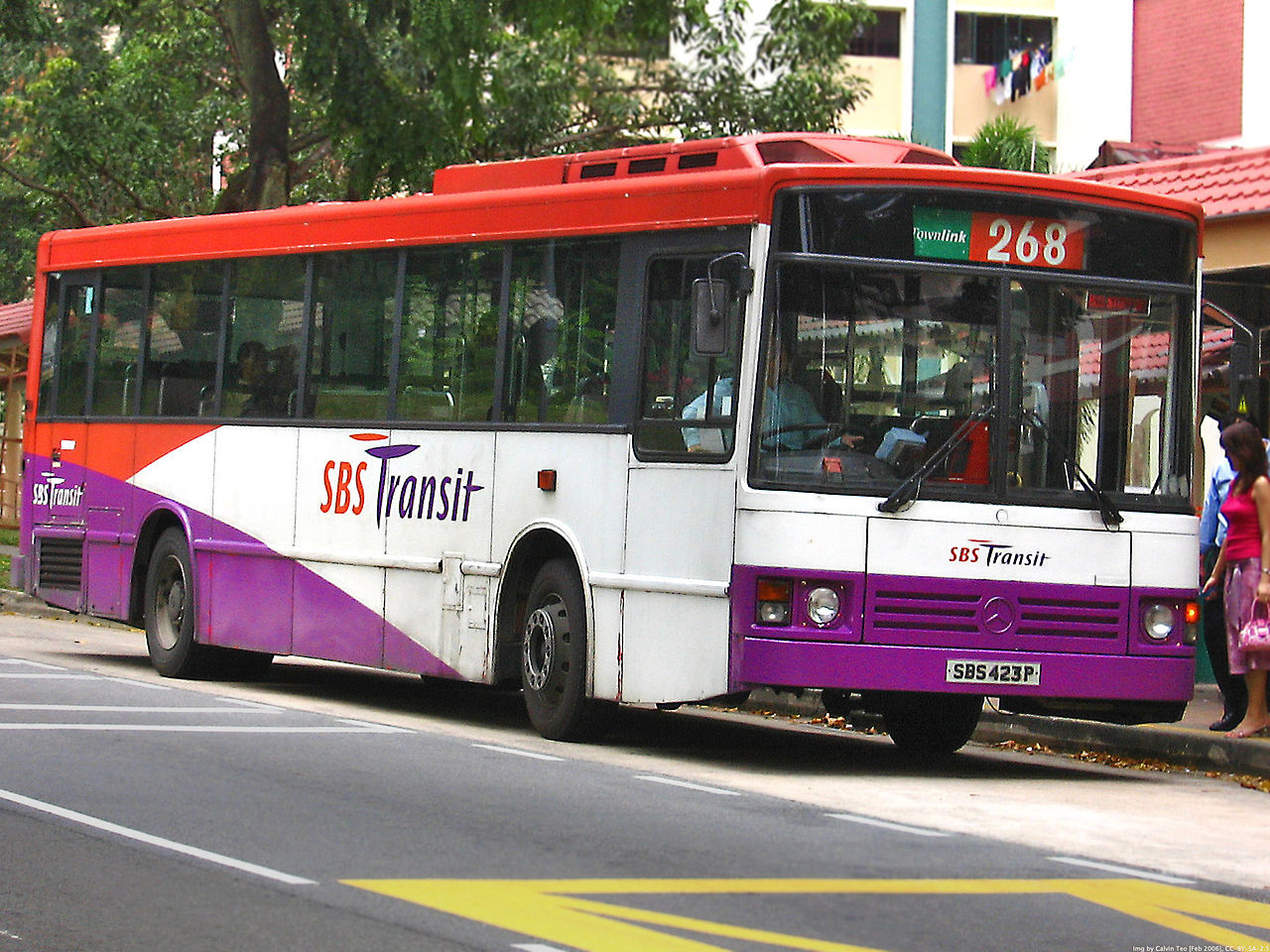





Design and characteristics
The O405 featured a durable, modular construction allowing multiple lengths, door arrangements and interior layouts. It was supplied either as an integral vehicle or as a chassis for independent bodybuilders, so external appearance and seating plans could vary. Typical features included:
- single-deck layout designed for urban and suburban routes
- options for two or three doors to suit service patterns
- step‑entrance and low‑floor configurations to improve boarding
- diesel propulsion as standard, with variants adapted to local requirements
Variants
The O405 family included several widely used forms. Common designations in operation were:
- O405 — the standard rigid single-decker
- O405G — the articulated (bendy) version for higher capacity corridors
- O405N — the low‑floor variant developed for easier boarding and improved accessibility
History and development
The O405 succeeded earlier Mercedes-Benz city buses that followed the VöV (Association of German Transport Companies) recommendations, and it modernized many of those concepts in the 1980s and 1990s. As public transport priorities shifted toward low‑floor access and new emissions standards, later Mercedes models such as the Citaro gradually replaced the O405 in many fleets toward the end of the 1990s.
Use and legacy
Operators across Europe, Australasia and parts of Asia deployed O405 buses in urban and suburban services. Their adaptability, robust construction and availability as chassis for local bodybuilders made them popular with municipal and private operators alike. Many O405s remained in service for long periods, and the model is remembered for helping bridge older step‑entrance designs and the modern era of low‑floor accessible buses.
Notable distinctions
Beyond its technical features, the O405 is notable for being one of the last buses built to the VöV SL‑II standard before industry design trends moved toward fully low‑floor, modular platforms. Its widespread adoption and multiple variants make it a clear example of late 20th‑century urban bus design.
Related articles
Author
AlegsaOnline.com Mercedes-Benz O405 Leandro Alegsa
URL: https://en.alegsaonline.com/art/63877