
Mercedes-Benz Sprinter: light commercial van, chassis and minibus series
A versatile series of light commercial vehicles introduced in 1995 and produced by Mercedes‑Benz, the Sprinter is offered as vans, chassis cabs and minibuses and sold worldwide in multiple generations.
Overview
The Mercedes‑Benz Sprinter is a family of light commercial vehicles built and marketed by Mercedes‑Benz since 1995. It includes cargo vans, passenger vans, chassis‑cab trucks and minibuses designed for commercial, public transport and specialty uses. Over successive generations the Sprinter has been updated with new engines, safety systems and infotainment options to meet evolving market and regulatory requirements. For more manufacturer details see Mercedes‑Benz.
Image gallery
10 Images


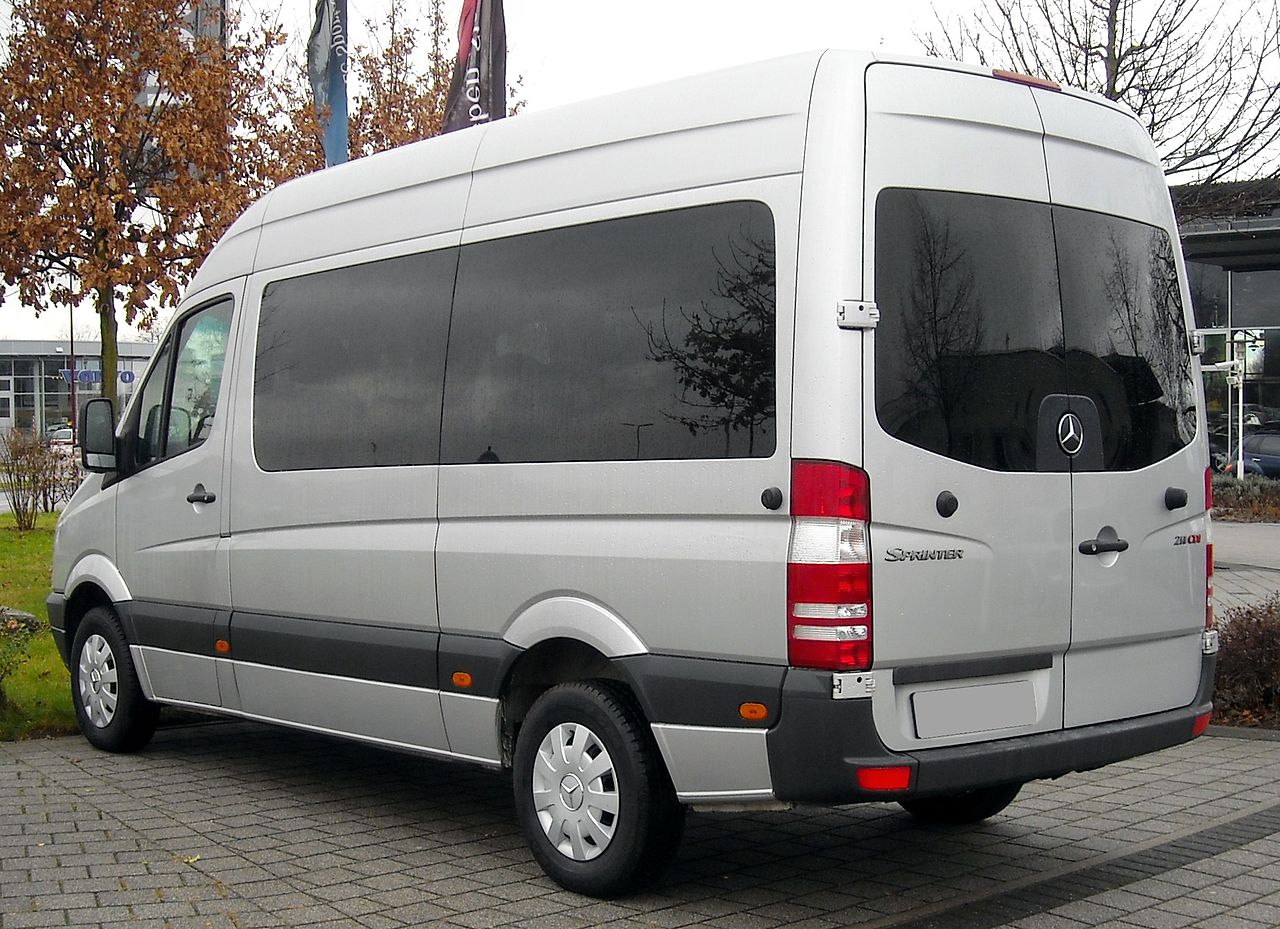


Design, variants and common configurations
The Sprinter is purpose‑built for carrying cargo or people and is characterized by a unibody or chassis‑cab layout, multiple wheelbase lengths, roof heights and load‑volume options. Typical configurations include:
- Cargo van: enclosed box for deliveries and trade work.
- Passenger van: seating for commuters, shuttles or tour groups.
- Chassis cab: basic frame for specialized bodies (ambulance, camper, utility).
- Cutaway/minibus: short rear extension for local transit and shuttle services.
Powertrains historically emphasized diesel engines, with petrol and diesel options and, in recent years, battery‑electric and hybrid variants introduced to satisfy urban emissions rules and fleet electrification goals.
History and development
Launched in the mid‑1990s, the Sprinter replaced earlier small commercial models and established Mercedes‑Benz in the growing light‑commercial segment. It has progressed through three main generations, each bringing mechanical updates, modernized cabins and enhanced safety technology. In several markets the vehicle was marketed under partner brands: in the United States it also appeared as the Freightliner Sprinter and the Dodge Sprinter when Daimler collaborated with local distributors and badge partners. See related information at van models, bus versions and the early introduction year notes 1995. The U.S. rebadging arrangement included the name Dodge.
Uses, importance and examples
Fleet operators worldwide use the Sprinter for parcel delivery, mobile workshops, camper conversions, medical transport and hotel or airport shuttles. Its adaptability makes it popular with small businesses and large logistics companies alike. The architecture also supports conversion to motorhomes and specialty vehicles because of the variety of wheelbases and roof heights.
Notable features and distinctions
Recent Sprinter models incorporate advanced driver assistance systems, improved crash protection and modern infotainment, including touchscreen interfaces and connectivity options. The introduction of battery‑electric variants reflects the industry's shift toward lower emissions. The Sprinter competes in a segment that includes other light‑commercial vehicles but is often distinguished by Mercedes‑Benz service networks and a broad choice of factory and aftermarket conversions.
For further technical specifications, dealer information and the latest model updates consult manufacturer and commercial vehicle resources linked above.
Related articles
Author
AlegsaOnline.com Mercedes-Benz Sprinter: light commercial van, chassis and minibus series Leandro Alegsa
URL: https://en.alegsaonline.com/art/63879