
Melisma: the musical technique of singing many notes on one syllable
Melisma is a vocal technique where a single syllable is sung across multiple pitches; used in sacred, classical and popular music for expression, ornamentation and virtuoso display.
Overview
In music, a melisma is the practice of singing one syllable across a sequence of two or more pitches. The adjective for this style is melismatic, and performers commonly refer to fast, elaborate melismatic passages as "runs." Melisma contrasts with a syllabic setting, in which each syllable receives one note. Composers and singers use melisma to add expressiveness, to highlight particular words, or to display technical skill.
Image gallery
2 Images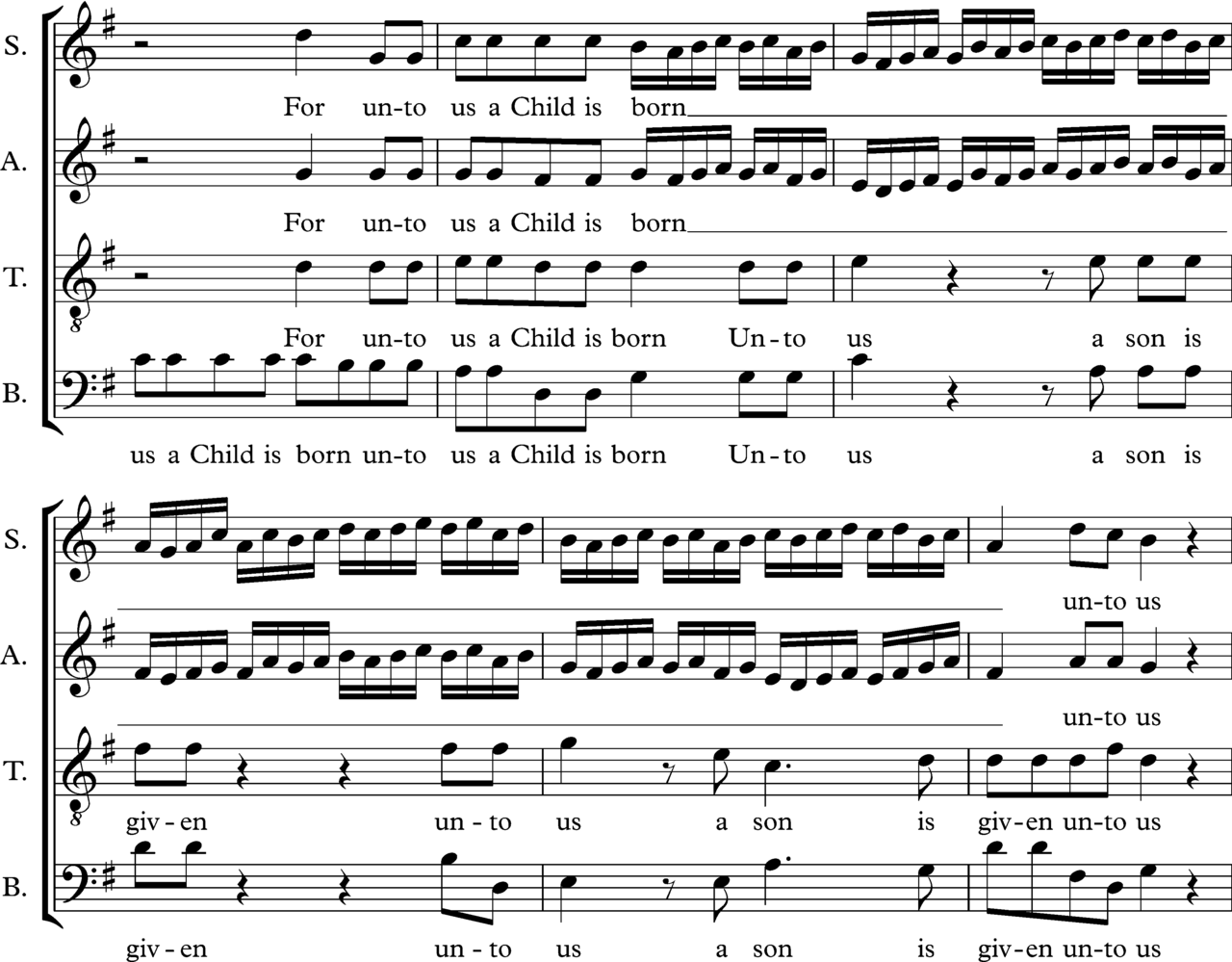

Characteristics and notation
Melismatic passages vary widely in tempo, length and complexity. They may be slow and arching, stretching over many measures, or quick and intricate, formed from rapid subdivisions. In modern Western notation melismas are indicated by assigning multiple notes under one lyric syllable and sometimes by slurs or other editorial marks. Older notation systems such as neumes and early mensural notation make long melismas visually evident by extended groups of notes on a single syllable. Melisma is related to other kinds of vocal ornamentation (such as trills or mordents) but is distinctive in that it ties an extended melodic figure to a single syllable or vowel sound rather than being a brief decorative gesture.
History and development
Melismatic singing has deep historical roots. In Western sacred music, long melismas are prominent in Gregorian chant and other medieval liturgical repertories, often used on important ritual words such as "Alleluia." During the Renaissance and Baroque eras composers employed melisma both for expressive effect and as a rhetorical device in vocal rhetoric. In operatic traditions melisma became a vehicle for vocal display and dramatic expression; singers trained in styles such as bel canto routinely use sustained, elaborate runs to convey emotion or virtuosity. Baroque composers also used melisma as part of word-painting, setting specific words to extended melodic figures to suggest motion, intensity or other imagery; such uses appear in large choral works and oratorios, including passages in Handel's Messiah and similar works. In stage genres and concert music melisma often signals heightened feeling or a climax within a phrase.
Global traditions and modern genres
Melismatic technique appears across many musical cultures. Middle Eastern and North African vocal styles make extensive use of ornamented melodic lines aligned with modal systems (maqam), producing phrases that resemble melisma in texture and function. South Asian classical traditions use rapid multi-note passages (often called taan in vocal music) and a variety of ornamentations that serve a comparable role in melodic elaboration. In Western popular music, melisma became a hallmark of gospel and soul singing and was later adopted widely in contemporary R&B and pop; singers draw on church-derived improvisatory practices to produce elaborate runs and embellishments. Jazz and other improvisatory idioms also incorporate melismatic-like ornamentation when singers vary pitches over a sustained syllable.
Uses, examples and musical effect
Musicians use melisma for several overlapping purposes: to heighten emotional intensity, to achieve word-painting or pictorial effects, to create tension and release, or to showcase technical ability. A long melisma can make a single word linger and become a focal point, while short runs may add sparkle and emphasis. In liturgical contexts, extended melismas often mark moments given special liturgical weight; in opera and art song they may underline dramatic or narrative moments. Because the ear tracks melodic motion even as text is sustained, melisma changes the balance between text intelligibility and purely musical expression; composers and performers manage that balance according to stylistic and communicative goals.
Performance, pedagogy and practice
Singing melismas reliably requires breath control, steady vocal support, flexible vowel shape and precise articulation. Teachers recommend practicing melismatic passages slowly to ensure evenness of tone and accurate pitch, working with scales, arpeggios and small patterns before increasing speed. Exercises that focus on vowel consistency and legato connection help maintain clarity when notes change rapidly. For improvisatory melisma, singers learn stock patterns, licks and scalar fragments that can be adapted to different keys and musical contexts.
Distinctions and notable points
- Melismatic vs. syllabic: Melismatic settings extend a single syllable over many notes; syllabic settings use one note per syllable.
- Function beyond ornament: Although related to ornamentation, melisma can serve larger structural or rhetorical roles in a composition rather than acting only as a brief decorative feature.
- Wide cultural presence: Melisma appears in sacred and secular repertoires worldwide and is adaptable to both composed and improvised practices.
- Analytical uses: Music analysts examine melisma to understand textual emphasis, phrase shaping and expressive intent within a piece.
Further reading and contexts
The study of melisma intersects with fields such as ethnomusicology, vocal pedagogy and performance practice. For historical perspective see discussions of chant and early polyphony, while practical approaches appear in manuals on singing and diction. In opera studies, resources on the bel canto tradition and dramatic singing describe how melisma functions in staged repertoire; performers often consult treatises and modern pedagogical texts to develop secure technique for melismatic writing in opera and other demanding vocal literature. Melisma remains a living, adaptable device that continues to shape how singers express text and music.
Related articles
Author
AlegsaOnline.com Melisma: the musical technique of singing many notes on one syllable Leandro Alegsa
URL: https://en.alegsaonline.com/art/63660