
Meireki era (1655–1658): overview and the Great Fire of Meireki
Meireki (1655–1658) was a Japanese era in early Edo Japan. Noted for the catastrophic Great Fire of Meireki (1657) and subsequent urban rebuilding under Tokugawa rule.
Overview
Meireki (明暦) was a Japanese era name used from April 1655 through July 1658 during the early Edo period. The era name replaced Jōō and was followed by the Manji era. The emperor in Kyoto was Go-Sai-tennō, while political authority rested with the Tokugawa shogunate in Edo under Shōgun Tokugawa Ietsuna. Meireki sits in a phase of consolidation for Tokugawa rule, when urban growth, commerce, and a flourishing popular culture were reshaping Japan’s towns and cities.
Image gallery
4 Images

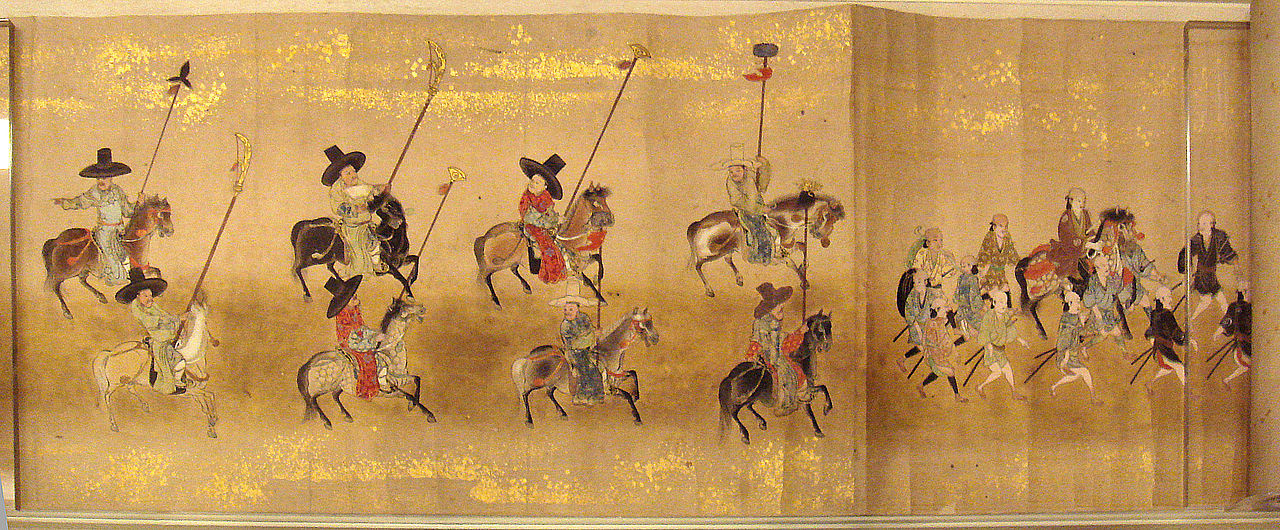
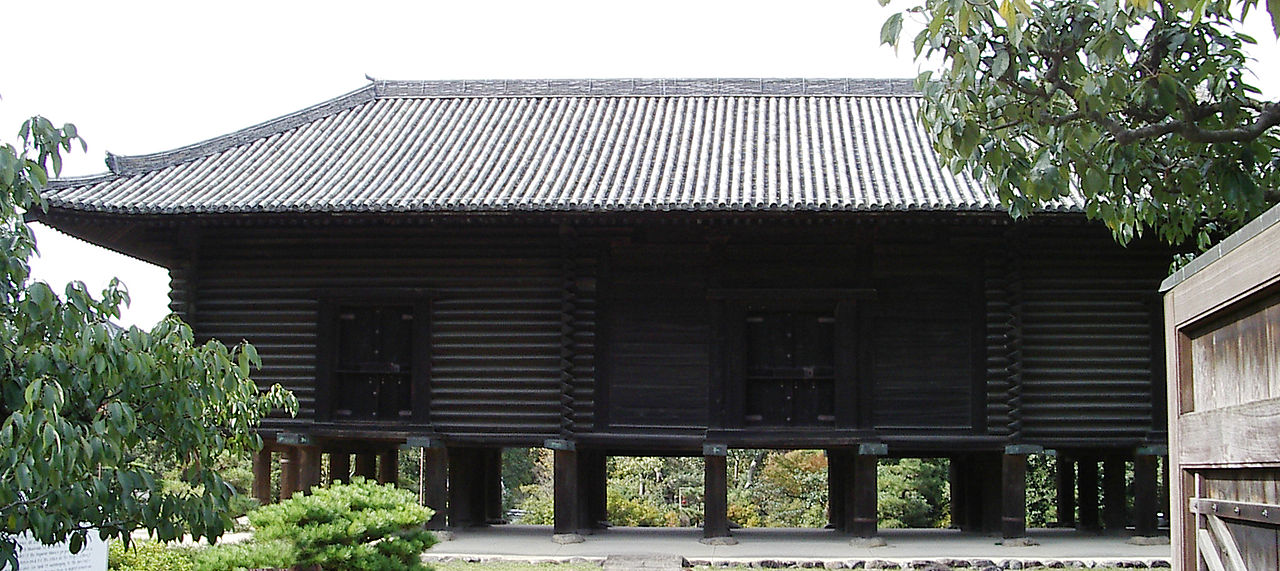
What an era name (nengō) signified
Era names, or nengō, are calendrical titles chosen to mark a period of years and to register auspicious events, political transitions, or the desire to reset after disasters. Changing a nengō could be prompted by court decisions, natural calamities, or other developments thought to require a fresh beginning. The Meireki designation spanned a brief but historically important interval because of events that tested Edo’s infrastructure and governance.
Great Fire of Meireki (1657)
The defining incident of this era was the Great Fire of Meireki (Meireki no Taika), which broke out in Edo in 1657. The blaze spread rapidly through densely built wooden neighborhoods and destroyed large portions of the city. Contemporary reports emphasize the scale of damage: many homes, temples, and official compounds burned, and a very large number of residents were made homeless or perished. The disaster revealed vulnerabilities in urban planning and emergency response in a fast-growing capital.
Consequences and responses
In the wake of the fire, the shogunate and municipal authorities undertook wide-ranging measures to rebuild and reduce future risk. Responses included:
- Large-scale reconstruction of streets, bridges, and river embankments to improve firebreaks and access.
- Relocation or reorganization of some temple precincts and daimyo residences to lessen density in critical zones.
- Strengthening of organized firefighting efforts and rules governing construction and watch duties.
Social and cultural context
Beyond the immediate material damage, the Meireki disaster had social and cultural ripple effects. The rebuilding altered Edo’s urban fabric and accelerated changes in commerce and housing patterns. Artisans, merchants, and laborers were engaged in reconstruction, and the event entered popular memory and literature of the Edo period. The era also exemplifies how the Tokugawa regime managed crises to reinforce public order and administrative control.
Legacy
Though short, the Meireki era is remembered chiefly for the great fire and its aftermath, which shaped subsequent urban policy in Edo and influenced later disaster planning in Japan. It occupies a clear place in the chronology of early Tokugawa governance between the preceding Jōō term and the subsequent Manji era, and it illustrates the practical and symbolic uses of the nengō system in early modern Japan.
Related articles
Author
AlegsaOnline.com Meireki era (1655–1658): overview and the Great Fire of Meireki Leandro Alegsa
URL: https://en.alegsaonline.com/art/63589
Sources
- books.google.com : "Meireki"
- books.google.com : "Tennō,"
- books.google.com : Annales des empereurs du japon, p. 413.
- books.google.com : "Shugaku-in Rikyū"