
Mehdi Tabatabaei — Iranian Shia cleric and conservative parliamentarian
Seyyed Mehdi Tabatabaei (1936–2018) was an Iranian Shia cleric and conservative politician who served in the Islamic Consultative Assembly in the 1980s and 2000s and was known for criticizing Mahmoud Ahmadinejad.
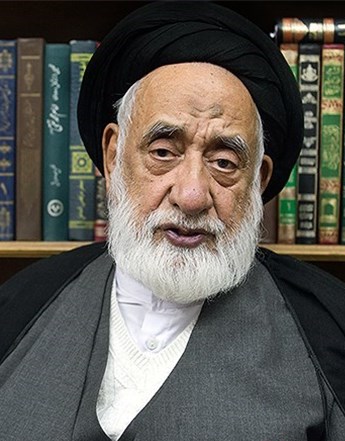
Seyyed Mehdi Tabatabaei (Persian: سید مهدی طباطبایی شیرازی; 21 March 1936 – 17 May 2018) was an Iranian Shia cleric and conservative politician. He combined religious standing with active participation in national politics, serving multiple terms in Iran’s parliament (the Islamic Consultative Assembly) and representing both regional and metropolitan constituencies during his career.
Image gallery
1 Image
Political career and offices
Tabatabaei represented different electoral districts at separate times, reflecting the shifting focus of his public work. Key parliamentary service included:
- Member of Parliament for Mashhad and Kalat, 1984–1988.
- Member of Parliament for Tehran, Rey, Shemiranat and Eslamshahr, 2004–2008.
He was generally identified with conservative factions within Iran’s political spectrum and engaged in debates over domestic and foreign policy from that perspective. For discussion of his political alignment see conservative positions.
Religious role and public positions
As a Seyyed and a Shia cleric, Tabatabaei held religious authority that informed his public interventions. He addressed issues where clerical interpretation and state policy overlap, a common feature of the Islamic Republic’s political culture. He was publicly critical of some leaders and policies; notably, he voiced criticisms of former president Mahmoud Ahmadinejad during Ahmadinejad’s time in office.
Background, significance and later life
Tabatabaei was born in Rafsanjan and maintained ties to provincial constituencies as well as the capital region, an aspect that shaped his electoral roles and public identity. His birthplace is often noted in biographical summaries (Rafsanjan).
He died in Tehran on 17 May 2018 of lung disease at the age of 82. His passing was reported in Iranian media and remembered by colleagues across political lines; see a contemporary report here.
Context and legacy
Tabatabaei’s career illustrates the dual religious and political pathways available to clerics in post-revolutionary Iran: serving both as faith leaders and elected officials. Observers note that figures like him played roles in shaping parliamentary debates, local representation, and intra-conservative discussions. While not the most prominent national leader, his repeated election underscores a sustained local base and an active public presence until his death.
Related articles
Author
AlegsaOnline.com Mehdi Tabatabaei — Iranian Shia cleric and conservative parliamentarian Leandro Alegsa
URL: https://en.alegsaonline.com/art/63542
Sources
- theguardian.com : "Ahmadinejad's claim that Chávez will be resurrected with Jesus 'went too far'"
- farsnews.com : "حجتالاسلام والمسلمین طباطبایی دار فانی را وداع گفت"