
Mahmoud Ahmadinejad: Iranian politician, Tehran mayor and president (2005–2013)
Concise encyclopedia article on Mahmoud Ahmadinejad covering his background, rise to power, presidency (2005–2013), policies, controversies and later role in Iranian politics.
Mahmoud Ahmadinejad (born 28 October 1956) is an Iranian political figure who served as the sixth President of the Islamic Republic of Iran from 3 August 2005 to 3 August 2013. His name appears in Persian as shown in the Persian spelling. Ahmadinejad rose from a technical and municipal background into national politics and became widely known both inside Iran and internationally during his two presidential terms.
Image gallery
10 Images


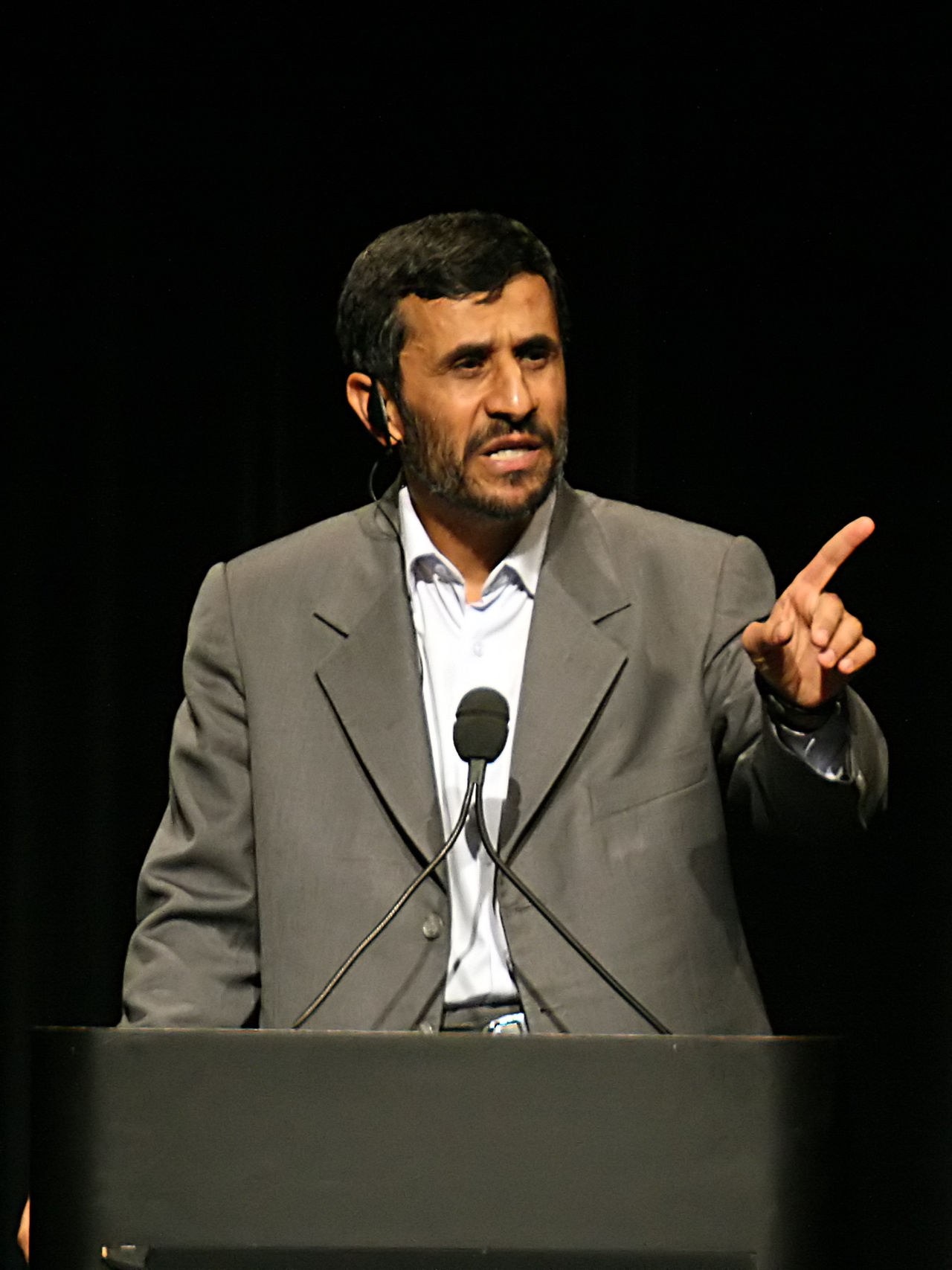


Early life and education
Ahmadinejad studied engineering and trained as a civil and transportation engineer. He holds advanced degrees from the Iran University of Science and Technology, including a Master of Science and a doctoral-level degree in transportation engineering. Before entering national politics he worked in academic and municipal roles, gaining practical experience in construction and urban planning.
Political rise and mayoralty
Ahmadinejad's political ascent was associated with conservative and populist currents within Iran. He became Mayor of Tehran on 3 May 2003 and served in that post until he ran for the presidency. His mayoral tenure helped raise his national profile and positioned him as a candidate supported by conservative coalitions, notably the Alliance of Builders of Islamic Iran, often referred to as "Abadgaran." The city of Tehran provided a platform for his straightforward, often confrontational public style.
Presidency (2005–2013): priorities and policies
During his two terms as president Ahmadinejad pursued policies that combined social conservatism and economic populism. Domestically he emphasized support for lower-income groups, called for redistribution measures and proposed large-scale welfare and subsidy reforms. Internationally his government became a focal point of diplomatic tension, particularly over Iran's nuclear program and relations with Western governments. These tensions influenced global debate about Iran's policies and regional role.
Controversies, relations and challenges
Ahmadinejad attracted controversy for some of his public statements, his confrontational rhetoric toward Western leaders, and for disputes with political rivals and institutions inside Iran. His presidency saw confrontations over economic management, policy appointments and the limits of executive authority in Iran's political system. Observers also noted debates about his government's transparency, administrative competence and the handling of sanctions that affected Iran's economy.
Later years and legacy
After leaving office on 3 August 2013 he was succeeded by Hassan Rouhani, who had won the June 2013 election. Ahmadinejad has remained a public figure and occasional political commentator within Iran. His legacy is debated: supporters point to his populist outreach and emphasis on social justice, while critics highlight economic challenges, polarizing rhetoric and international isolation that occurred during his administration.
Key facts and related figures
- Full name and Persian script: see Persian spelling.
- President of the Islamic Republic of Iran: 3 August 2005 – 3 August 2013 (presidential office, state context).
- Mayor of Tehran: appointed 3 May 2003 (mayoral office, city details Tehran).
- Political alignment: conservative, associated with the Alliance of Builders of Islamic Iran and religiously oriented factions (religious influence).
- Education: advanced degrees in engineering from the Iran University of Science and Technology (academic record, field of study).
- Successor: Hassan Rouhani elected June 2013; took office August 2013.
- Family note: his brother Davoud Ahmadinejad (1950–2017) was active in political circles (Davoud Ahmadinejad).
For readers seeking more detail, these topics — domestic economic reforms, Iran's nuclear negotiations and Ahmadinejad's role in factional politics — are central to understanding his place in recent Iranian history.
Questions and answers
Q: Who is Mahmoud Ahmadinejad?
A: Mahmoud Ahmadinejad is an Iranian politician who served as the sixth President of the Islamic Republic of Iran from August 3, 2005 to August 3, 2013.
Q: When did Ahmadinejad become the mayor of Tehran?
A: Ahmadinejad became the mayor of Tehran on May 3, 2003.
Q: How was Ahmadinejad chosen to be the president?
A: Ahmadinejad was chosen to be the president through elections on June 24, 2005.
Q: What is the Alliance of Builders of Islamic Iran?
A: The Alliance of Builders of Islamic Iran, also known as "Abadgaran", is an alliance between Islamic parties and organizations that is responsible for Ahmadinejad's political power.
Q: What is Ahmadinejad's educational background?
A: Ahmadinejad has a Master of Science in Civil engineering and a PhD in transportation engineering, both from the Iran University of Science and Techology.
Q: Who succeeded Ahmadinejad as President of the Islamic Republic of Iran?
A: Hassan Rouhani was elected on June 15, 2013 as Ahmadinejad's successor and took office on August 3, 2013.
Q: Who was Davoud Ahmadinejad?
A: Davoud Ahmadinejad was Mahmoud Ahmadinejad's brother and a failed presidential candidate and staff member who lived from 1950 to 2017.
Related articles
Author
AlegsaOnline.com Mahmoud Ahmadinejad: Iranian politician, Tehran mayor and president (2005–2013) Leandro Alegsa
URL: https://en.alegsaonline.com/art/125695