
Meir Dagan
Israeli military officer and intelligence chief (1945–2016). Directed the Mossad from 2002 to 2011 and later became an outspoken voice on security and public policy.
Overview
Meir Dagan (Hebrew: מאיר דגן; 30 January 1945 – 17 March 2016) was an Israeli military officer and intelligence leader. He served as director of the Mossad from 2002 until 2011 after a long career in the Israel Defense Forces. Dagan was widely known for prioritizing covert operational capabilities, counter-proliferation and a pragmatic approach to national security.
Image gallery
5 Images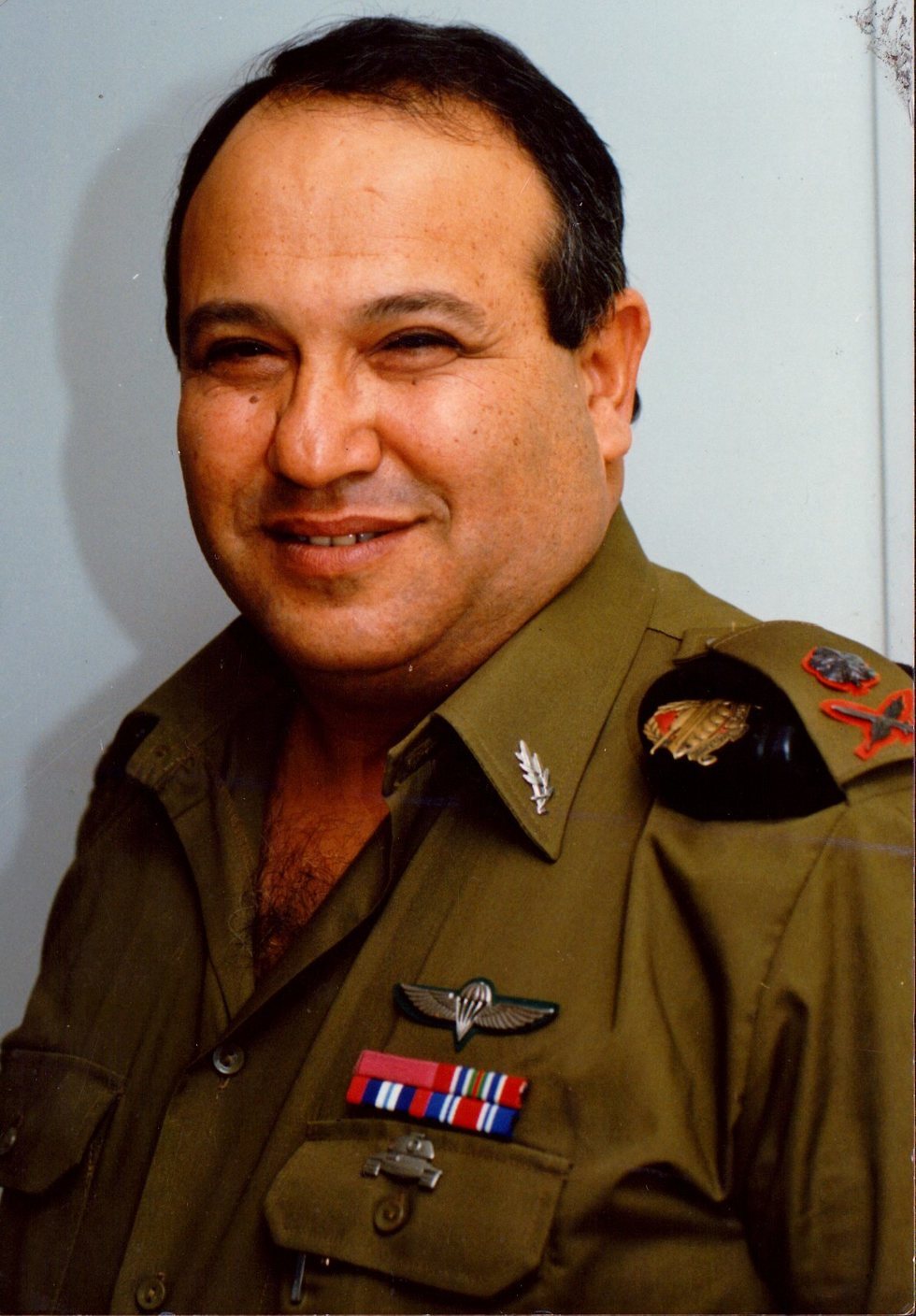


Early life
Dagan was born in the Soviet Union and emigrated with his family to Israel when he was a child, settling there at age five. He grew up during the formative decades of the state, later choosing a career in the military and in intelligence. His background and service shaped his views on regional threats and the role of clandestine action in statecraft.
Military career
Before leading the Mossad, Dagan spent decades in uniform, advancing through senior positions and gaining experience in operations and planning. Colleagues and analysts describe him as an officer who emphasized operational readiness and careful targeting of tangible threats rather than purely strategic messaging.
Mossad directorship (2002–2011)
Appointed by the Israeli government in 2002, Dagan led the foreign intelligence agency through a period marked by attention to weapons proliferation, terrorism and regional adversaries. Under his leadership the agency focused on building networks abroad, improving technical tradecraft and carrying out clandestine measures aimed at disrupting perceived threats to Israel.
Approach, tactics and controversies
Dagan's tenure is often associated with an operational, results-oriented style. He favored direct action and counter-proliferation efforts and was linked in public reports and commentary to a range of covert initiatives. These activities prompted debate about legal oversight, secrecy and the diplomatic consequences of clandestine operations.
Post-retirement and public role
After leaving the Mossad in 2011 Dagan became an outspoken public figure and commentator on security and policy issues. He engaged in political discussion, sometimes criticizing government plans and urging careful assessment of military and diplomatic options. His public interventions drew attention precisely because of his intelligence background and stature.
Death and legacy
Dagan died of liver cancer on 17 March 2016 in Tel Aviv at age 71. His career remains a subject of analysis in studies of Israeli intelligence: supporters credit him with strengthening operational capabilities and focus, while critics raised questions about secrecy and oversight. Dagan's life is often discussed in the context of modern Israeli security practice and the ethical and strategic dilemmas of covert action.
Related articles
Author
AlegsaOnline.com Meir Dagan Leandro Alegsa
URL: https://en.alegsaonline.com/art/63583
Sources
- tomgrossmedia.com : Egypt claims Mossad to blame for shark attacks (& details of new Mossad head)
- haaretz.com : "Former Mossad Chief Meir Dagan Dies at 71"