
Megaloptera: alderflies, dobsonflies, and fishflies
Megaloptera is a small order of aquatic-associated insects (about 300 species) including alderflies, dobsonflies and fishflies; known for aquatic predatory larvae and large, short-lived adults.
Overview
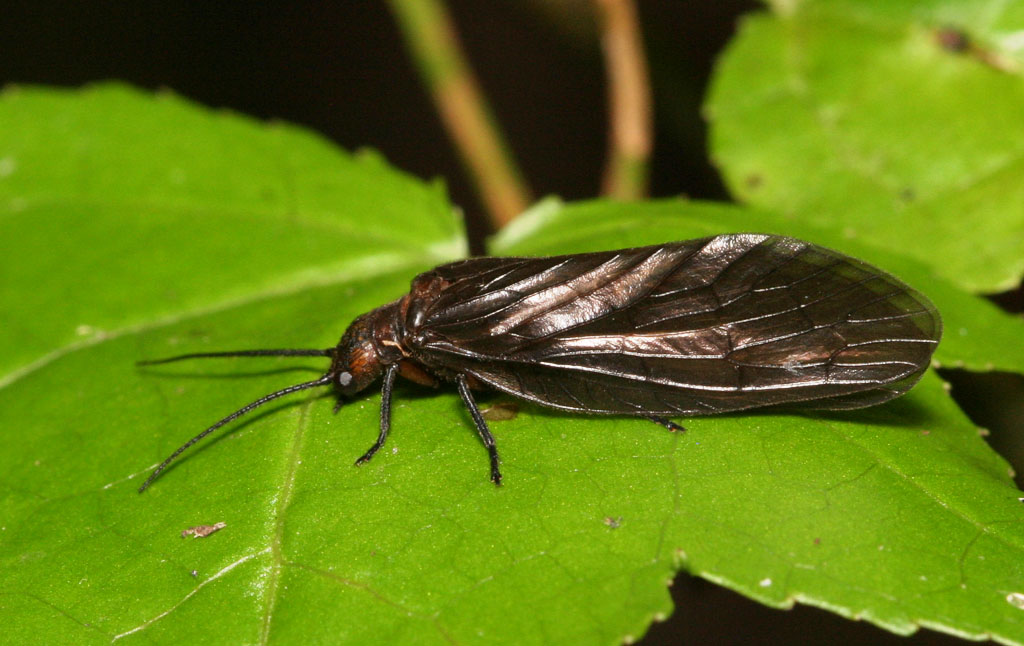
Megaloptera is an order of insects that comprises the alderflies, dobsonflies and fishflies. It is a relatively small group, with roughly 300 described species worldwide. Members are best known for aquatic, predatory larvae and robust, membranous-winged adults that typically have brief adult lives.
Image gallery
3 Images

Characteristics and life cycle
Megalopterans undergo complete metamorphosis with four life stages: egg, larva, pupa and adult. Larvae are fully aquatic or semi-aquatic, often flattened and equipped with lateral filaments or gills for breathing in running water. These larvae are active predators of other invertebrates. Pupation usually occurs in damp soil or under stones near streams. Adults have large, equal-length wings with dense venation, chewing mouthparts, and in some dobsonflies males bear elongated mandibles. Adult feeding is limited in many species.
Ecology and distribution
Species occur mostly in temperate and tropical regions and are associated with clean, well-oxygenated streams and rivers. Larvae play a role as mid-level predators in freshwater food webs, influencing populations of other aquatic insects. Because they require good water quality, their presence is sometimes used in biological assessments of stream health.
Uses, interactions and importance
Some larval megalopterans, notably the dobsonfly larva called the hellgrammite, are prized as durable and attractive bait by anglers. Beyond angling, their ecological role as predators and as prey for fish and other wildlife makes them an integral part of freshwater ecosystems.
History, taxonomy and notable distinctions
Megaloptera are placed within the superorder Neuropterida, alongside lacewings and snakeflies. Fossils show that relatives of modern megalopterans existed in the Mesozoic, indicating an ancient lineage. They are distinguished from closely related orders by their aquatic larvae, stout bodies, and wing venation patterns.
Conservation and observation
Because many megalopteran larvae are sensitive to pollution and habitat loss, populations can decline with degraded waterways. Observers interested in freshwater insects can look for larvae under stones and adults near stream banks at dusk. Collecting and habitat protection support both scientific study and the ecological functions these insects provide.
Related articles
Author
AlegsaOnline.com Megaloptera: alderflies, dobsonflies, and fishflies Leandro Alegsa
URL: https://en.alegsaonline.com/art/63510