
Megalibgwilia
Megalibgwilia was an extinct Australian genus of echidna known from fossils and important for understanding the early evolution of monotremes.
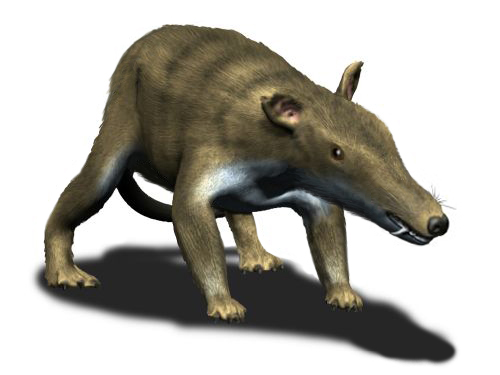
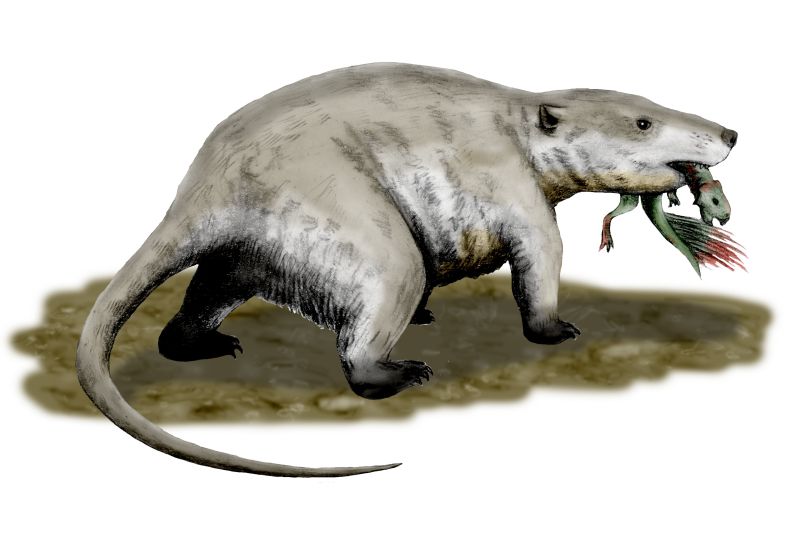
Megalibgwilia is an extinct genus of echidna known only from fossils found in Australia. It belonged to the monotremes, the egg-laying mammals that also include the platypus, and it represents an early branch of echidna evolution.
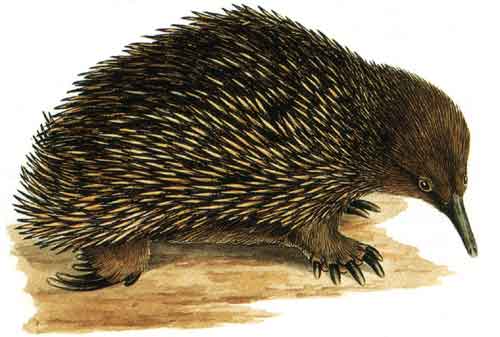
Living echidnas are small, spiny mammals adapted for digging. Fossils placed in Megalibgwilia suggest the same general body plan, but with more variation than is seen in modern species. Some specimens indicate animals that were larger than any living echidna, which is why the genus is sometimes described as a giant or unusually large echidna.
Image gallery
8 Images



Fossil significance
The genus is important because it includes some of the oldest known echidna species. That makes it a valuable reference point for studying when echidnas first appeared and how their unique monotreme traits developed. The fossil record is incomplete, but Megalibgwilia shows that echidna history extends deep into Australia’s prehistoric past.
What scientists learn from it
- how early echidnas differed from living forms;
- how size and shape varied within extinct monotremes;
- how Australia’s mammal fauna changed over time.
As new fossils are compared and reexamined, the classification of extinct echidnas can be refined. Even so, Megalibgwilia remains a key name in Australian paleontology because it connects modern echidnas with a much older and more diverse evolutionary lineage.
Related articles
Author
AlegsaOnline.com Megalibgwilia Leandro Alegsa
URL: https://en.alegsaonline.com/art/63505
Sources
- species.wikimedia.org : Megalibgwilia