
Meat ant (Iridomyrmex purpureus)
The meat ant is a widespread Australian ant species known for large, aggressive colonies, scavenging habits, and a role in cleaning carcasses and shaping ecosystems.
The meat ant (Iridomyrmex purpureus) is a common, conspicuous ant species native to Australia. These ants occur across a wide range of habitats in Australia, from open woodlands to urban fringes. The species is often referred to as the meat ant or meat-eater ant because of its habit of scavenging on animal remains; farmers and land managers sometimes exploit their cleaning activity to remove carrion from pastures.
Image gallery
10 Images




Physical characteristics
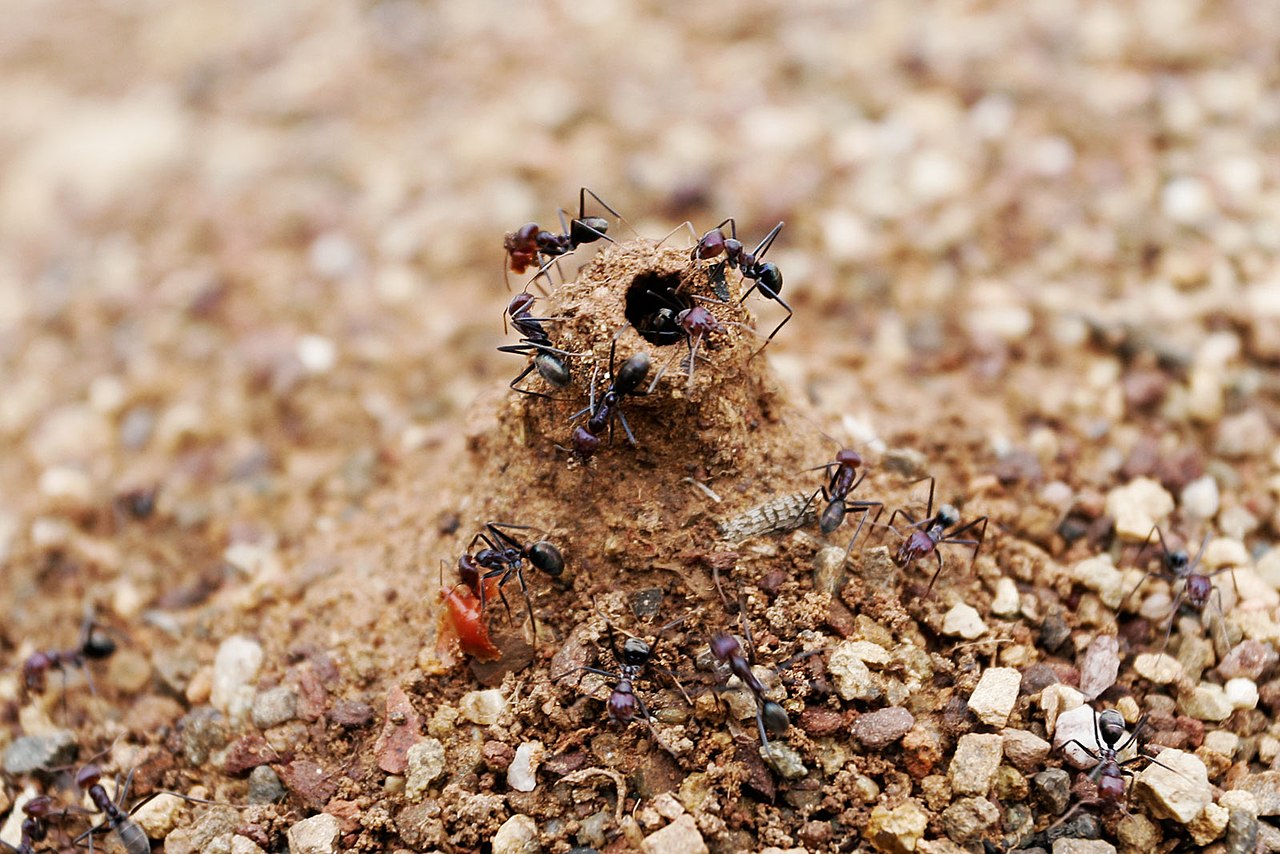
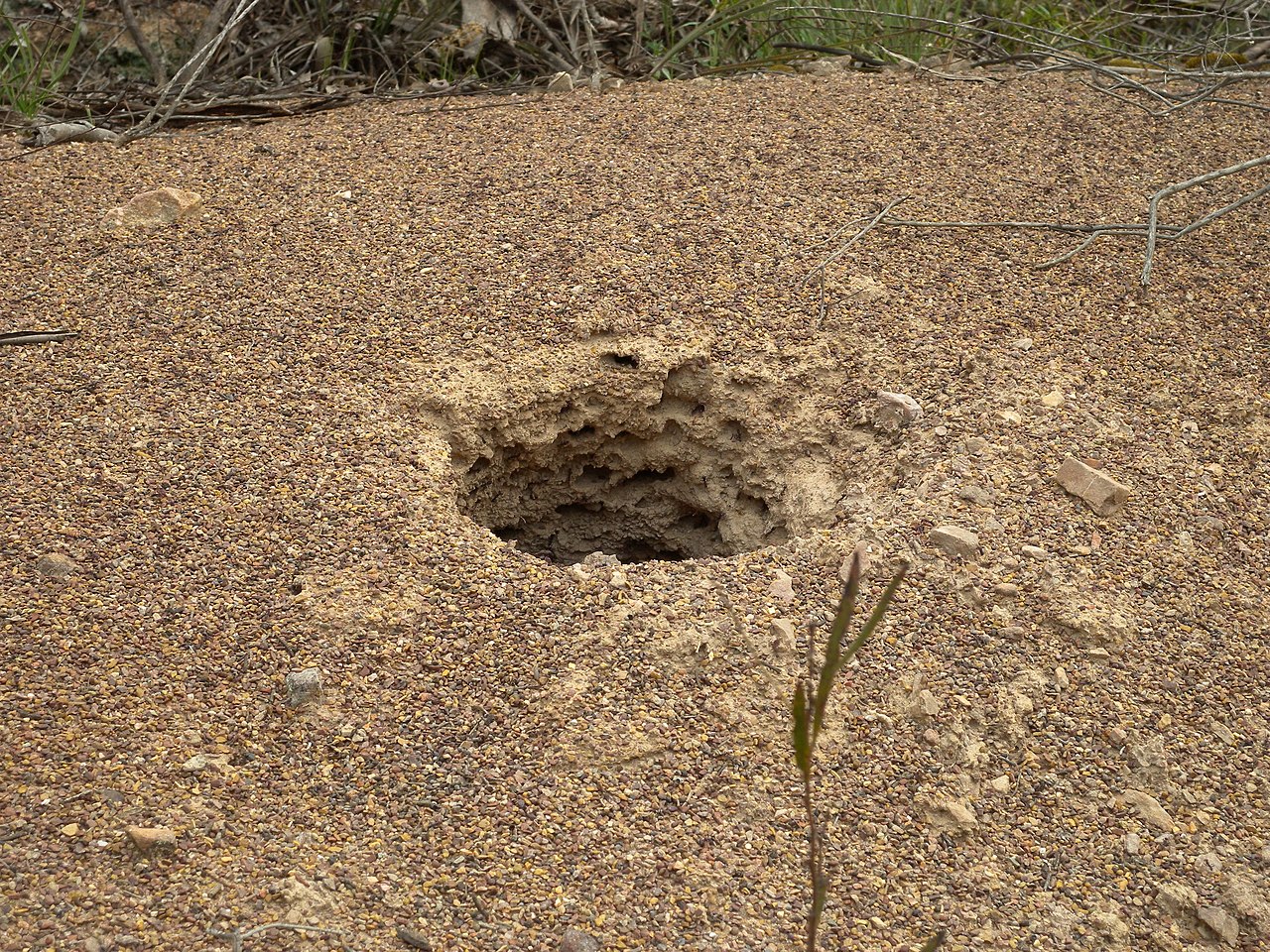
Workers are moderately large for ants, usually dark coloured with a metallic sheen that can appear purplish in good light. Meat ants lack a well-developed sting; instead, they defend themselves by biting and applying chemical secretions such as formic acid. Colonies include many workers and produce the conspicuous nest mounds and cleared foraging areas that make them easy to spot.
Behavior and ecology
Meat ants are diurnal and highly active in warm weather. They forage in organised trails and show strong territorial behaviour, often dominating patches of ground. Their diet is omnivorous: they scavenge carcasses, capture small invertebrates, and collect sweet substances like honeydew from sap-feeding insects. Ecologically they serve several roles:
- Scavengers that accelerate carcass decomposition and nutrient cycling.
- Predators of small arthropods, helping regulate pest populations.
- Soil engineers through nest building, altering local soil structure.
Relationship with people
People notice meat ants for both beneficial and nuisance reasons. Farmers value them for rapid removal of carrion and for reducing some pests, while homeowners may find nests inconvenient near structures and paths. They rarely invade buildings but will defend nest sites vigorously if disturbed. Practical advice for coexistence usually emphasizes avoiding nest disturbance and modifying attractants.
Similar species and identification tips
Meat ants can be confused with other Australian ants at a glance. Useful distinctions are their daytime activity, the size and cleared area around nests, and the metallic sheen on workers. For more detailed taxonomic or natural history information, see a species overview or broader ant references: Iridomyrmex purpureus species page and a general ant overview.
Related articles
Author
AlegsaOnline.com Meat ant (Iridomyrmex purpureus) Leandro Alegsa
URL: https://en.alegsaonline.com/art/63332