
Oxbow Lake: formation, characteristics, and ecological importance
An oxbow lake is a crescent-shaped body of water formed when a river meander is cut off. This article explains how oxbow lakes form, their features, ecological roles, and interactions with people.
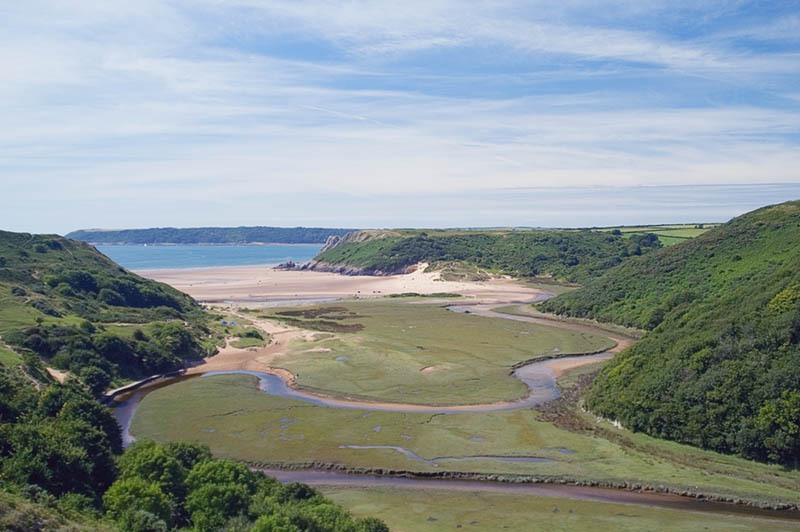
An oxbow lake is a curved or U-shaped body of water created when a river meander becomes isolated from the main channel. These lakes are common in low-gradient, meandering river systems where lateral erosion and deposition continually reshape the channel. The separated waterbody typically resembles the original bend of the river and may persist for decades or centuries depending on local climate, sedimentation, and groundwater conditions.
Image gallery
10 Images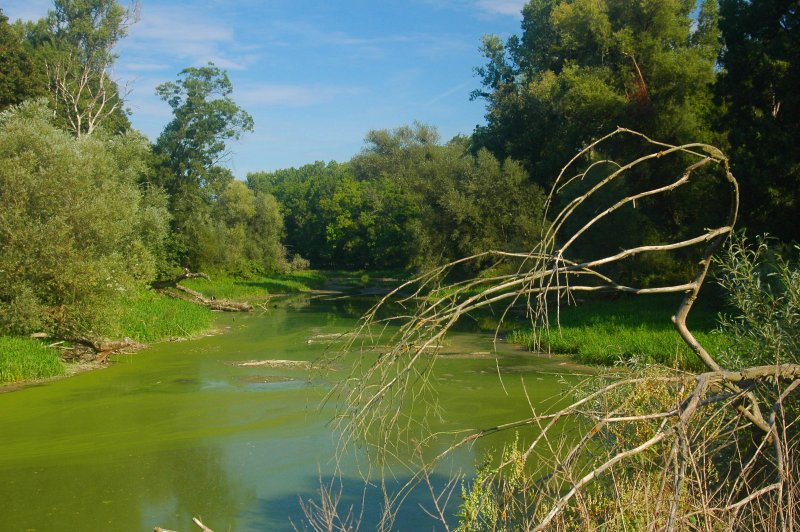



Formation and physical characteristics
Oxbow lakes form through natural river processes: erosion on the outer banks of a meander and deposition on the inner banks narrow the neck of a loop. During high flow events or floods the river may cut through this neck and adopt a shorter, straighter course. The abandoned meander becomes isolated and forms an oxbow lake. Characteristic traits include a curved, horseshoe shape, shallow depth relative to other lakes, and fine sediments such as silt and organic matter accumulating on the bed. Some oxbow lakes retain a surface connection to the river during floods; others are permanently disconnected and gradually fill with vegetation and sediment.
Ecology, succession, and uses
Oxbow lakes are important ecological niches that support diverse plant and animal communities. They often host aquatic vegetation, amphibians, waterfowl, and fish species adapted to slow-moving or still water. Over time an oxbow lake may undergo ecological succession: open water gives way to marshland, then swamp, and eventually terrestrial habitat as sediment and organic detritus accumulate. These wetlands provide flood storage, improve water quality by trapping sediments, and serve as breeding and feeding grounds for wildlife.
- Wildlife habitat for birds, amphibians, and fish
- Flood attenuation and short-term water storage
- Recreational opportunities such as fishing and birdwatching
Distribution, examples, and terminology
Oxbow lakes occur worldwide wherever rivers meander across broad, flat floodplains. Famous river systems with numerous oxbows include the Mississippi, Amazon, and Mekong. Local names and related terms vary; for example, in some regions they are called "meander lakes" or "billabongs." Geographers and hydrologists study oxbow formation to understand river dynamics and floodplain evolution. For general background on river processes see river meanders overview, and for information on freshwater habitats consult lake and wetland resources.
Human interactions and management
Human activity can both create and destroy oxbow lakes. Engineering works such as channel straightening speed up cutoffs and produce new oxbows, while drainage, filling, or pollution can degrade them. Conservation efforts often aim to preserve oxbow lakes for their biodiversity and flood management benefits. Where restoration is practiced, reconnecting a lake to its river during controlled floods or removing accumulated sediment can revive ecological function. For policy or technical guidance on managing freshwater areas see resources at water management references.
Related articles
Author
AlegsaOnline.com Oxbow Lake: formation, characteristics, and ecological importance Leandro Alegsa
URL: https://en.alegsaonline.com/art/73790