
Mea Shearim — historic Haredi neighborhood of Jerusalem
Mea Shearim is a 19th-century neighborhood northwest of Jerusalem's Old City, known for its predominantly Haredi Jewish community, traditional lifestyle, and distinctive stone architecture.
Overview
Mea Shearim (often rendered Me'a She'arim) takes its name from a Hebrew phrase meaning "hundred gates." The name and its Hebrew spelling are frequently cited in historical records and modern descriptions: Hebrew name and spelling. Located to the northwest of the Old City, it is one of the earliest neighborhoods built outside Jerusalem's walls, and it remains a prominent center of ultra-Orthodox life in Jerusalem.
Image gallery
10 Images





History and development
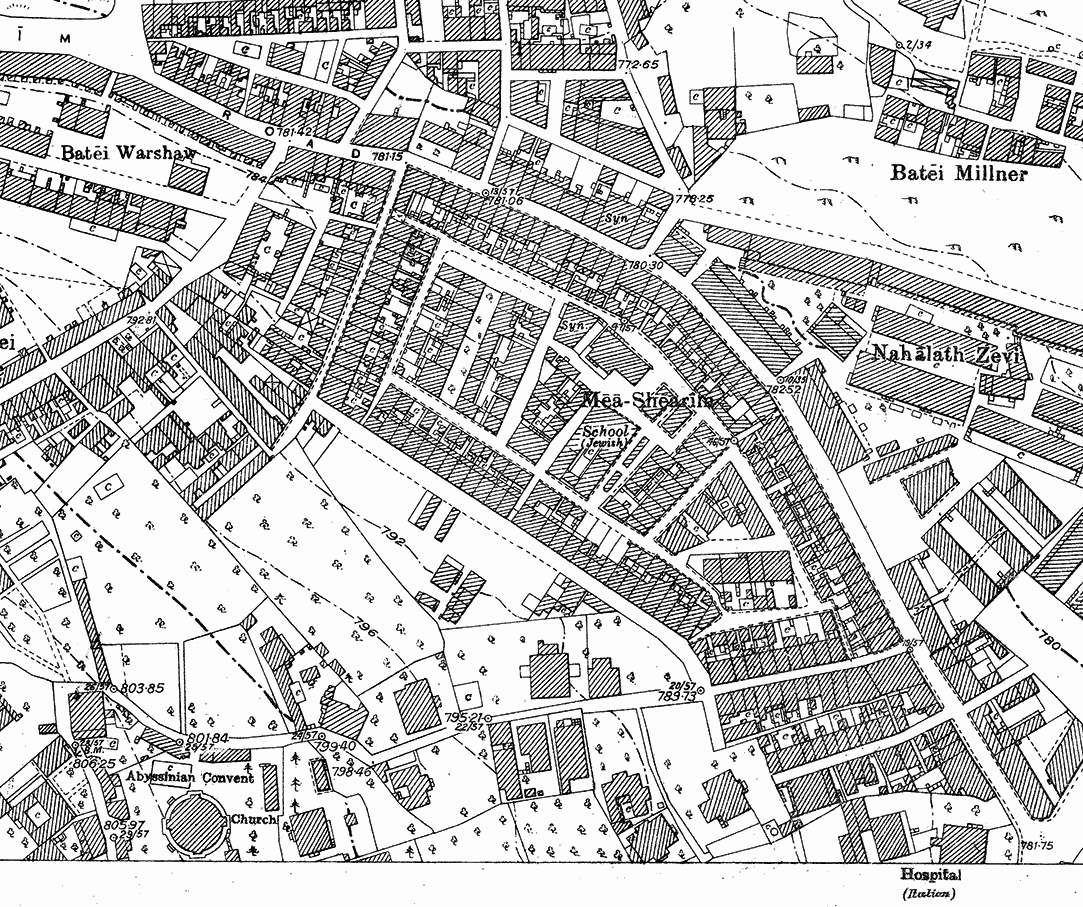
The neighborhood was established in the late 19th century as part of a broader pattern of Jewish settlement beyond the crowded Old City; its founding year is commonly given as 1874 and is noted in many historical summaries: founding and early history. Houses were arranged around shared courtyards and small communal streets, reflecting both economic considerations and social organization of the time.
Community, culture, and daily life
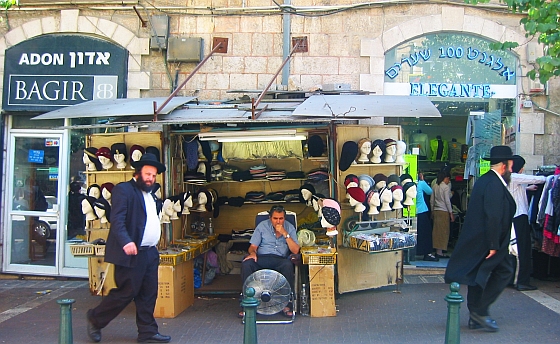
Today the population is composed mainly of Haredi Jews—religious communities that observe strict interpretations of Jewish law and traditions—and the neighborhood is often identified with that way of life: Haredi communities. Daily rhythms center on prayer, study in yeshivas, and family life. Public signage and local customs emphasize modest dress and behavior, and many institutions close for the Sabbath and religious holidays.
Characteristics and landmarks
Mea Shearim is characterized by low-rise stone buildings, narrow alleys, internal courtyards, and a dense network of synagogues and communal study halls. Typical features include:
- Cobblestone lanes and gated courtyards that foster communal interaction.
- Multiple small synagogues and yeshivas serving different groups.
- Traditional dress codes displayed publicly and enforced by social norms.
- Charitable institutions and communal ovens or kitchens active around holidays.
Significance and interactions with the wider city
As a notable neighborhood of Jerusalem's urban fabric, Mea Shearim attracts visitors who seek to understand ultra-Orthodox life, but residents and local leaders often request respectful behavior and modest attire. The area has at times been the focus of public debate about balancing religious custom, civic rules, and tourism. It remains an important living example of 19th-century urban expansion that preserved a distinct communal identity into the present.
For those researching or visiting, local guides and community statements can provide practical information and context; wherever possible, approach the neighborhood with awareness of its religious rhythms and social norms to ensure respectful engagement.
Related articles
Author
AlegsaOnline.com Mea Shearim — historic Haredi neighborhood of Jerusalem Leandro Alegsa
URL: https://en.alegsaonline.com/art/63298