
McDonnell Douglas MD-90
A development of the DC‑9/MD‑80 family, the MD‑90 is a twin‑engine, single‑aisle short/medium‑range jet introduced in the 1990s with modernized engines and systems for higher efficiency.
Overview
The McDonnell Douglas MD-90 is a narrow‑body, twin‑engine commercial jet developed as an updated member of the DC‑9/MD‑80 family. Introduced in the 1990s, it was designed for short to medium‑range routes and offered airlines improved fuel efficiency and reduced noise compared with earlier derivatives. Typical passenger capacity in single‑class layouts ranged roughly in the mid‑hundreds, with many operators seating around 150–170 passengers depending on configuration.
Image gallery
10 Images




Design and characteristics
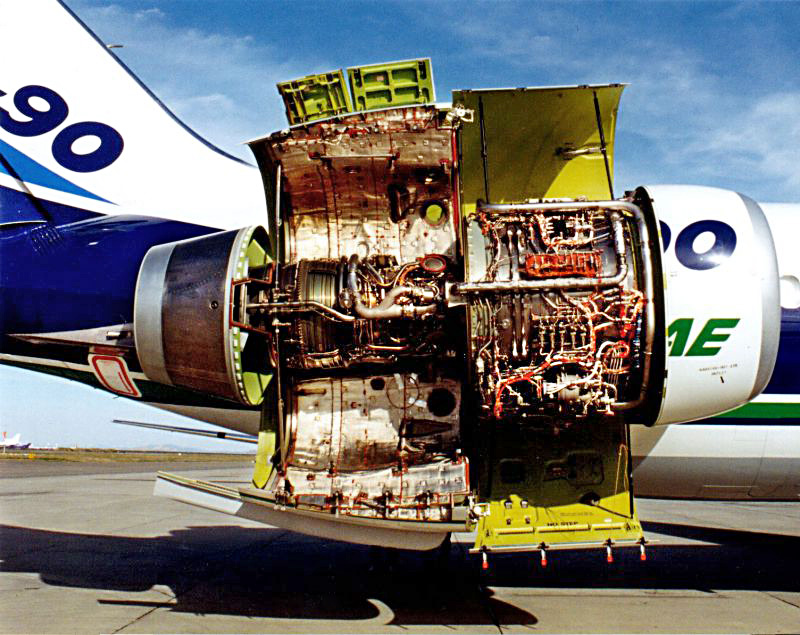
The MD‑90 retains the family’s characteristic low wing, rear‑mounted engines and T‑tail. Its most notable technical change from earlier MD‑80 models was the adoption of more modern high‑bypass turbofan engines from the IAE V2500 series, improving fuel burn and noise performance. Cockpit and avionics systems were updated to contemporary standards of the era, and the airframe incorporated incremental aerodynamic and systems refinements.
Development and service history
Conceived as a modernization of a proven airframe, the MD‑90 entered service in the mid‑1990s. Production continued into the late 1990s and early 2000s; following McDonnell Douglas’s merger with Boeing, type support and aftermarket responsibilities moved to the larger manufacturer. Over time many operators replaced MD‑90s with newer narrow‑bodies offering even greater fuel efficiency and commonality benefits.
Uses, operators and legacy
The MD‑90 served mainly on domestic and regional trunk routes. It was operated by a mix of U.S. and international carriers; some airlines kept MD‑90s in revenue service into the 2010s and early 2020s before retirement. Today the type is remembered as a transitional design that extended the commercial life of the DC‑9 lineage by combining a familiar airframe with newer propulsion and systems technology.
Key facts and distinctions
- Family: DC‑9/MD‑80 derivative with rear‑fuselage engines and T‑tail.
- Engines: fitted with higher‑bypass turbofans (IAE V2500 family) compared with predecessors.
- Role: short/medium‑range single‑aisle airliner for domestic and regional services.
- Legacy: bridged older DC‑9 designs and more modern narrow‑bodies that followed.
Related articles
Author
AlegsaOnline.com McDonnell Douglas MD-90 Leandro Alegsa
URL: https://en.alegsaonline.com/art/63234
Sources
- boeing.com : "MD-90"
- boeing.com : "MD-90-30 airplane characteristics for airport planning"
- rgl.faa.gov : "Type Certificate Data Sheet"
- flightglobal.com : "Douglas uses MD-80 to speed MD-90"