
Medway Valley Line
A regional railway in Kent linking Strood and the Medway towns with Maidstone West and onward to Paddock Wood and beyond. Noted for scenic riverside sections and local commuter services.
Overview
The Medway Valley Line is a regional rail route in Kent that connects the urban area around Strood and the Medway towns with Maidstone West and the lines that continue to Paddock Wood and Tonbridge. It functions as both a commuter corridor for people travelling to larger towns and London at peak times and as a local lifeline for smaller communities along the River Medway.
Image gallery
10 Images

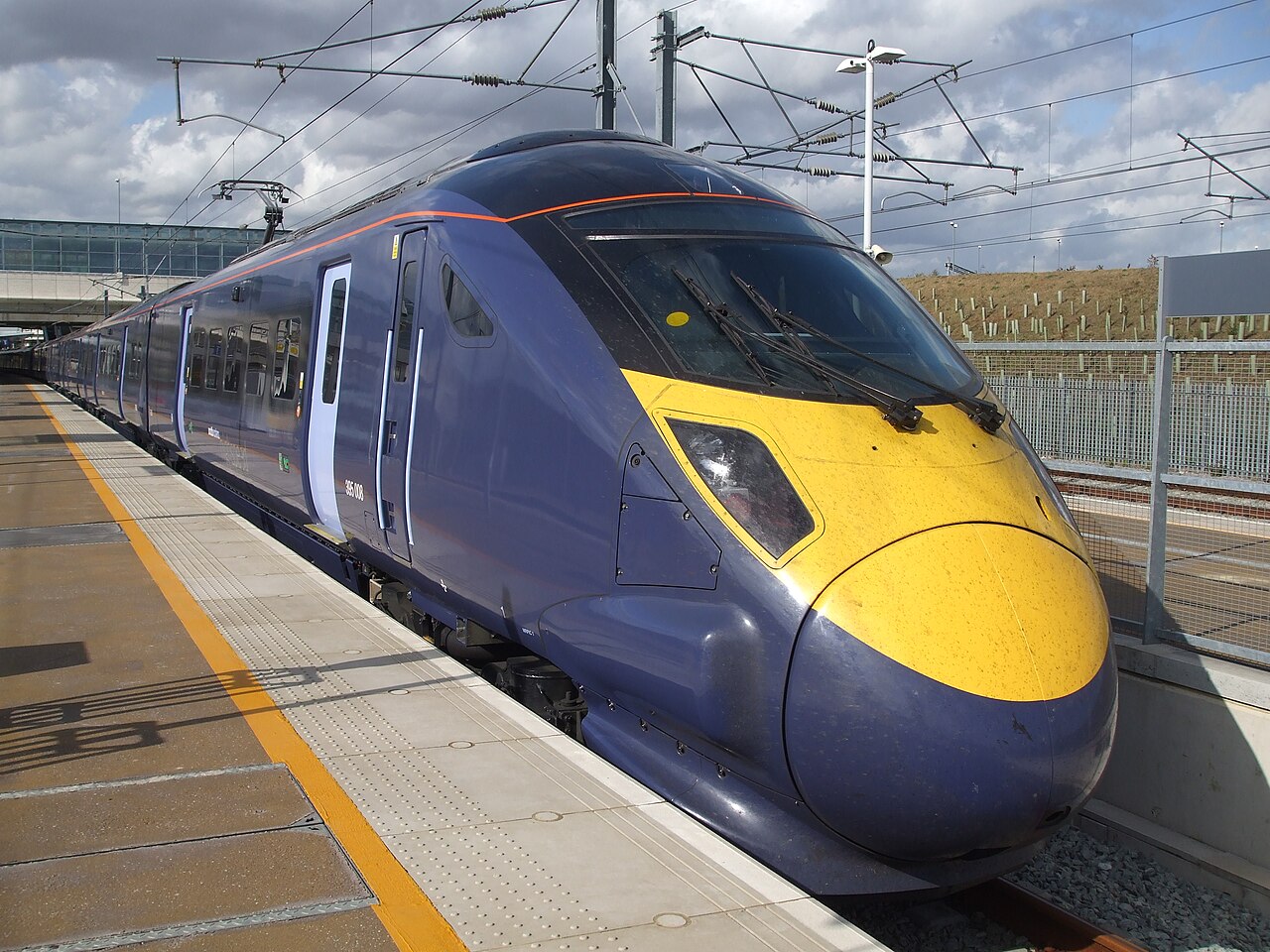


Route and characteristics
The line follows the valley of the River Medway for much of its length, passing through a mix of suburban fringes, villages and attractive rural stretches where the river narrows and the surrounding landscape becomes more picturesque. Stations along the route serve local settlements and provide interchange with mainline services at nodes such as Strood and Paddock Wood.
- Landscape: notable riverside scenery and several river crossings.
- Function: local and commuter passenger services, with additional peak through-services.
- Connections: links to mainline routes toward Tonbridge and London, and to regional services serving Maidstone.
History and development
The Medway Valley Line originated in the nineteenth-century expansion of Britain’s railway network as a regional branch connecting market towns and supplying links to larger routes. Over time it has been upgraded and re-signalled in sections to meet changing passenger patterns while retaining much of its original alignment alongside the river. Local transport authorities and rail operators have periodically adjusted services to reflect commuting trends and community needs.
Services and operations
Passenger services are provided by regional train operators and typically run at regular intervals, with increased frequency in peak periods when some trains extend to larger termini. Rolling stock is chosen to serve short- and medium-distance journeys and to operate reliably on a route that mixes suburban stops with longer rural sections. Timetables prioritize connections at major interchange points to facilitate onward travel.
Importance and notable facts
The line is valued for everyday mobility—commuting, shopping and school travel—and for leisure trips to the riverside countryside. Community groups and local authorities often promote the route to encourage rail use and to support tourism in the Medway valley. Compared with busier main lines, the Medway Valley Line offers a quieter, scenic alternative that preserves important local links between small towns and the wider rail network.
Looking ahead
Future changes tend to focus on service reliability, accessibility improvements at stations, and better integration with bus and cycling routes. Any long-term enhancements are likely to balance preserving the character of the river corridor with the need to meet modern passenger expectations and regional transport plans.
Questions and answers
Q: What is the Medway Valley line?
A: The Medway Valley line is a railway line in Kent that connects Strood and the Medway Towns to Maidstone West and then onwards to Paddock Wood, Tonbridge, and London St Pancras International (peak only).
Q: What places are connected by the Medway Valley line?
A: The Medway Valley line connects Strood and the Medway Towns to Maidstone West, Paddock Wood, Tonbridge, and London St Pancras International (peak only).
Q: What is the significance of the Medway Valley line?
A: The Medway Valley line passes through some of Kent's most picturesque countryside along the narrower sections of the River Medway.
Q: What is the route of the Medway Valley line?
A: The Medway Valley line connects Strood and the Medway Towns to Maidstone West and then onwards to Paddock Wood, Tonbridge, and London St Pancras International (peak only). The section from Maidstone West to Tonbridge passes through some of Kent's most picturesque countryside along the narrower sections of the River Medway.
Q: What is the distance covered by the Medway Valley line?
A: The distance covered by the Medway Valley line is unknown.
Q: What is the mode of transportation in the Medway Valley line?
A: The mode of transportation in the Medway Valley line is the railway.
Q: Is the Medway Valley line operational all day?
A: The text does not mention whether the Medway Valley line is operational all day.
Related articles
Author
AlegsaOnline.com Medway Valley Line Leandro Alegsa
URL: https://en.alegsaonline.com/art/63458